Pakistan's infamous blasphemy laws will not be changed after a deal between government and hardline Islamists on Wednesday afternoon.
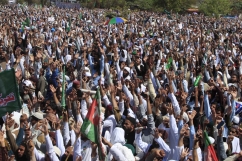
The settlement promised that prisoners convicted of blasphemy, which carries the death penalty in Pakistan, will be shown no leniency. The negotiation marked the end of a major stand-off between the government and thousands of protesters who had gathered in central Islamabad.
The protest's leaders hailed the talks a "success" and agreed to disband the sit-in, which had reached its fourth day. The demonstration was held in protest at the execution of Mumtaz Qadri in late February.
Qadri in 2011 assassinated Punjab's governor Salman Taseer who had called for reform of Pakistan's blasphemy laws and spoken in support of Christian woman Asia Bibi, who remains on death row.
A guarantee not to change the blasphemy laws, which are frequently used to oppress Christians, was one of the key demands of the protesters who gathered on Easter Sunday. However there was no assurance on declaring Qadri a "martyr", another of their demands, nor any mention of the imminent execution of Bibi.
The hardline group had also demanded the implementation of Sharia law in Pakistan. A decision on this controversial request was delayed after the government agreed the ministry of religious affairs would hear detailed proposals from clerics.
The peaceful resolution to the protest will be a relief to the government but will enrage campaigners who have criticised the country's extreme blasphemy laws. Even unproven allegations of blasphemy can lead to mob violence, according to critics.
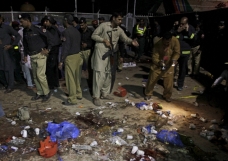
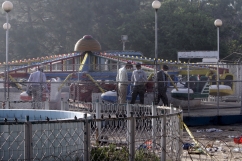
Pakistan's government has come under increased scrutiny after at least 72 were killed in a suicide bombing in Lahore on Easter Sunday. The attack was targeted at Christians and hit a children's playground in an entertainment park. Jamaat-ur-Ahrar, a Taliban affiliated group, has claimed responsibility for the blast which also left hundreds wounded.
Christian leaders have said the government has not done enough to protect them.
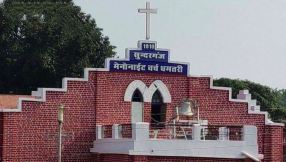
Last March, suicide bombers struck two Lahore churches, Christ Church and another close by, killing at least 14 people. In 2013, a pair of suicide bombers blew themselves up outside the 130-year-old All Saints church in Peshawar after Sunday mass, killing at least 78 people.
"Terrorists didn't used to be so focused on our community. Now all their attention is on us," said Rev Irshad Ashnaz, the vicar of Christ Church. "Perhaps it's time for the government to turn their attention toward us also."
He added: "These people are roaming around freely and no one is stopping them."