
The Nigerian Red Cross reported that at least 200 people were killed outside Lagos, Nigeria, in a massive explosion and fire that ignited as crowds carried away buckets of refined fuel from a tapped fuel pipeline.
Meanwhile extreme heat has prevented rescue workers from recovering bodies, as they fear the death toll could rise significantly.
At least 60 others were injured with burns, Nigerian Red Cross Secretary General Abiodun Orebiyi said.
"The explosion happened in a densely populated area, and that is why we're having these high casualty figures," Orebiyi added.
The fire burned for nearly 12 hours after the blast, which happened around 1 a.m. local time (7 p.m. ET Monday) before it was brought under control, Orebiyi said.
By Tuesday afternoon, it was still unclear how many people were killed.
"We can see more bodies that have been burned," he said. "We have yet to determine the number of hundreds that have died in this explosion."
The blast and fire also damaged 10 buildings and vehicles that were parked at a large garage nearby, Orebiyi said.
Stealing fuel from the country's pipelines is a common and many times deadly occurrence in Nigeria. In May, at least 150 people died when vandals tried to tap a petrol pipeline outside Lagos.
"People try to siphon fuel from a pipeline, and after that, maybe an hour, a couple hours after that - someone lights a cigarette or a motorcycle engine backfires, and an explosion appears," CNN's Jeff Koinange explained.
Despite the country's oil riches, much of Nigeria's population suffers from fuel shortages. People often tap into pipelines that cross their lands, seeking fuel for cooking or resale on the black market.
In September 2004, an oil pipeline exploded near Lagos, as thieves tried to siphon oil from it. Up to 50 people perished in the flames.
A 1998 pipeline blast killed more than 1,000 in southern Nigeria.




-

Why the Archbishop of Canterbury’s award controversy matters
-

More than one in four US Protestant churchgoers believe some biblical truths become outdated
-

Christian leaders issue ‘sober and urgent call’ for Western Church to prepare for disruption
-

Australia's anti-therapy laws harm the most vulnerable - Britain should not copy them
-

Songs of Praise celebrates 65 years with special anniversary episode - and finds a new generation online
-

First segments of Eternal Wall of Answered Prayer near Birmingham completed
Most Popular
News

Disabled baby euthanized in the Netherlands
Doctors in the Netherlands euthanized a severely disabled one-year-old child, the first case reported by Dutch authorities under rules introduced in 2024 that allow ending the lives of seriously ill children between the ages of one and 12.

400% increase in euthanasia deaths in Australian state of Victoria
Right To Life UK said the surge in numbers showed why UK MPs were right to reject assisted suicide.
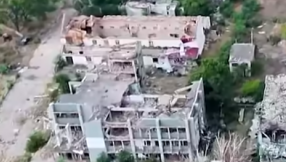
Ukrainian churches appeal for aid in starving Oleshky
Russia and Ukraine have blamed each other for the crisis in Oleshky.

Westminster Abbey plans memorial to JRR Tolkien
The memorial will go next to that of his friend CS Lewis.








