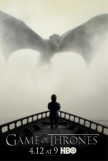
The latest episode from "Game of Thrones" called "The Dance of Dragons" once again pushed the show's moral limits when one of the series' most innocent characters, Shireen, was sacrificed and burned at the stake in order to advance her father's royal claim.
However, showrunner Dan Weiss is defending their shocking narrative decision, saying they want people to raise questions of morality after watching the episode.
"Horrible things happening to people in this show, and this is one that we thought was entirely narratively justified," Weiss told Entertainment Weekly. "It was set-up by the predicament that Stannis was in. It will be awful to see, but it's supposed to be awful."
People have been asking how showrunners can allow such a horrible thing to happen to Shireen, but Weiss said he wants people to actually "flip that question" into a larger debate, since people only root for the characters they deem worthy of empathy.
Weiss argued that Stannis has been burning people at the stake since Season 2, but a lot of people still deemed him a great leader and someone worthy of the throne. But it was only now that he tricked his daughter into sacrificing her life for the god they served that people started fuming over his action.
"It's like a two-tiered system," he explained. "If a superhero knocks over a building and there are 5,000 people in the building that we can presume are now dead, does it matter? Because they're not people we know. But if one dog we like gets run over by a car, it's the worst thing we've ever seen."
Weiss said he understands the viewers' rage and heartbreak, but he hopes that "The Dance of Dragons" will help teach people how to empathize next time even with people they do not know.
"I totally understand where that visceral reaction comes from. I have that same reaction. There's also something shitty about that. So instead of saying, 'How could you do this to somebody you know and care about?' maybe when it's happening to somebody we don't know so well, maybe then it should hit us all a bit harder," he said.