
The Methodist Church has called for a wider debate about the principles and values of a universal health system after the Government announced it would allow patients to buy extra medical treatment not available on the NHS.
The Methodist Church urged the Government to clarify its proposals, saying that they raised new questions about equality and fairness.
Paul Morrison, Public Issues Policy Adviser for the Methodist Church, warned that the plans had the potential to develop into a two-tier healthcare system that disadvantages the poor.
"I am concerned that without Government commitment and vigilance we will wake up some day in the future in a country with a first class health care system for those who can afford it and an economy class system for those who can't," he said.
"This decision may lead to challenging ethical questions within our churches and wider communities. Drugs such as donepezil are not available to NHS patients with early stage Alzheimer's disease.
"How do we react to two people sitting on the pew next to each other both wanting this treatment, but only one is able to afford it? This raises huge ethical questions for individuals, church communities and society as a whole."




-

More than one in four US Protestant churchgoers believe some biblical truths become outdated
-

Wycliffe celebrates ‘remarkable moment’ as Bible translation advances at rapid pace
-

Could the Church face a ‘silver uprising’?
-

Christian leaders issue ‘sober and urgent call’ for Western Church to prepare for disruption
-

Church in Wales pauses plans to allow gay marriage
-

Christian social worker returns to Court of Appeal in dispute over withdrawn job offer
Most Popular
News

Majority back Ireland’s three-day abortion waiting period, poll finds
A new poll has found majority support for retaining Ireland’s mandatory three-day waiting period before an abortion, as lawmakers continue to consider legislation that would remove the requirement.

ONS figures show 'good' outlook for married couples
The Coalition for Marriage (CFM) has welcomed new figures suggesting that married couples are increasingly staying together.
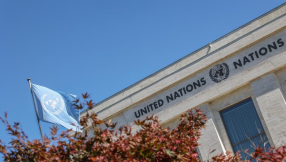
Christians condemn sexual violence following UN report on Russia-Ukraine conflict
Most cases of sexual violence documented were against male prisoners of war.
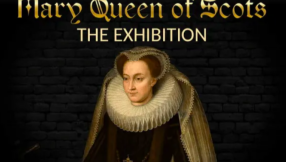
Peterborough Cathedral opens exhibition on Mary, Queen of Scots
Peterborough has opened a new exhibition on Mary, Queen of Scots, that will remain in place until 15 November.








