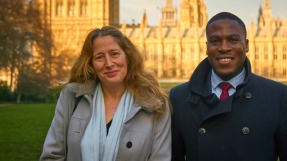
Lord Chancellor Robert Buckland MP has said he has "grave doubts" about watering down assisted suicide laws.
In a letter to Care Not Killing, an alliance of pro-life organisations, Mr Buckland said that it should be a "matter for Parliament to decide", rather than for the Government to initiate change. He added that the Government has no plans to launch an inquiry into current laws.
Outlining his concerns, Mr Buckland said it would be difficult for any law permitting assisted suicide to be "watertight" against potential abuse.
"Personally, I have grave doubts about the ability of legislation to be watertight when it comes to the potential for abuse," he said.
"But, as Lord Chancellor, you will understand that whatever my personal view, I must listen to all sides of the debate on this complex issue."
He spoke out as the British Medical Association (BMA) launched a poll among its members on whether the organisation should change its position on assisted suicide.
The BMA has historically adopted a position of opposition to assisted suicide. The consultation runs until February 27.
Dr Macdonald, Chief Executive of Care Not Killing, welcomed the Lord Chancellor's comments as he urged doctors to vote against any change to the BMA's position.
"The operation of the current laws which ban assisted suicide and euthanasia have already been reviewed or voted on more than 30 times since 2003 by MPs, Peers, other elected officials and judges," he said.
"Every time those looking at these laws have concluded that they do not need changing. They balance a strong deterrent against abuse whilst allowing a compassionate response to those who are in very distressing and difficult circumstances with a terminal or chronic condition."
He went on to say that changing the law would be a "very retrograde step".
"We do not believe that doctors, or carers should be allowed to kill those they are supposed to be looking after, either by administering a poison or by helping them to commit suicide," he said.
"That would be a very retrograde step, which would place many vulnerable people at risk of abuse by putting pressure on those with terminal and chronic illnesses or on disabled people to end their lives prematurely.
"As we have seen elsewhere it would also put pressure on doctors and other clinical staff to take part in assisted suicides and perform euthanasia even if they were opposed."