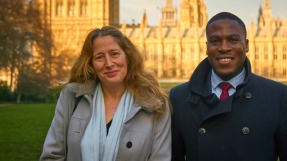
Justin Welby has doubts about Covid church closures

 (Photo: Unsplash/François Genon)

The Archbishop of Canterbury has admitted to having second thoughts about the Church of England's church closure policy during the pandemic.

Archbishop Justin Welby told the Radio Times he had been "too risk averse" in his decision to close churches after the outbreak of Covid-19.

However, he suggested that the decision had been taken with other leaders of the Church. 

"It wasn't just me. It's not a dictatorship. I am not the Pope. But I had an influence and I'm not sure I got that right," he said. 

The closure of churches led to outcry from some corners of the Church of England, with a number of its priests backing campaigns to keep doors open. 

Reflecting on the CofE's response to the pandemic, the Archbishop suggested decisions had been taken based on their understanding of the virus at the time. 

"If I had the time again, I would be more cautious about closing the churches," he said. 

"At the time, we were being told the virus can stay on surfaces for ages and that it could kill 30% of the people who caught it."


News
Sudan authorities use bureaucracy to stop church rebuilding and worship

Authorities in Sudan are obstructing efforts by a church to rebuild and even to use their place of worship

Ramadan ‘offers a unique opportunity’ to share the Gospel, says missiologist

Dr Emil Saleem Shehadeh has some sage advice for how Christians can engage with their Muslim neighbours and colleagues during Ramadan.

David Tudor hit with another lifetime ministry ban

Having already been banned, the latest sanction merely reinforces an earlier decision.

Armenia’s Christian civilization is under existential threat - the UK must not stand idly by

The constellation of powers that produced the eradication of the Armenian Christian presence in Nagorno Karabakh now have their sights on the Republic of Armenia itself.