
The Mumbai massacre which left more than 190 people dead finally came to an end on Saturday after Indian Commandos gunned down the remaining three militants at the Taj Mahal hotel.
"They were the kind of people with no remorse - anybody and whomsoever came in front of them they fired," said one commando officer.
TV channels described the attacks on 10 locations across the city, including two luxury hotels, as "India's 9/11" and confirmed that 155 people were killed and 327 others wounded.
At least 21 foreigners were among those killed, including one Briton.
Church leaders including the Archbishop of Canterbury and the Pope have unanimously condemned the attack.
Indian church leaders have speculated, meanwhile, that the terrorist attack was aimed at spreading fear and projecting the country as unsafe.
Michael Pinto, a Christian and vice chairman of the National Commission for Minorities, said the latest terrorist attacks were planned to project India as an unsafe country and hurt its economy.
"The terror attacks have shaken the church in the city," said Joseph Dias, general secretary of the Mumbai-based Catholic Secular Forum.
The church should take a proactive role to broker peace and harmony, he said, adding that his group would try to reach out to the victims and counter the efforts of terrorists trying to disturb peace in India.
Following the Mumbai seige, authorities in India, the US, the UK and Israel have vowed to work together on cracking terrorism.
Reports that at least two of the terrorists were British nationals of Pakistani origin remain unconfirmed.




-

More than one in four US Protestant churchgoers believe some biblical truths become outdated
-

Wycliffe celebrates ‘remarkable moment’ as Bible translation advances at rapid pace
-

Could the Church face a ‘silver uprising’?
-

Christian leaders issue ‘sober and urgent call’ for Western Church to prepare for disruption
-

Church in Wales pauses plans to allow gay marriage
-

500 million Christians worldwide face Bible access restrictions, report finds
Most Popular
News
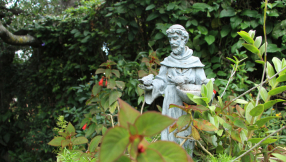
800 years on: Why St Francis of Assisi still captivates the world
4 October is St Francis’s Day, when Christians around the world remember the life and witness of Francis of Assisi. This year’s observance has particular significance, marking the 800th anniversary of his death. This is the story …

Majority back Ireland’s three-day abortion waiting period, poll finds
A new poll has found majority support for retaining Ireland’s mandatory three-day waiting period before an abortion, as lawmakers continue to consider legislation that would remove the requirement.

ONS figures show 'good' outlook for married couples
The Coalition for Marriage (CFM) has welcomed new figures suggesting that married couples are increasingly staying together.
Christians condemn sexual violence following UN report on Russia-Ukraine conflict
Most cases of sexual violence documented were against male prisoners of war.








