Huge increase in Islamophobic tweets in July

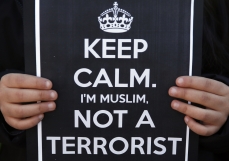
Terror attacks carried out by Islamists likely contributed to a huge spike in 'Islamophobic' tweets in July, according to the BBC.

Data showed that across the world, almost 7,000 anti-Islamic tweets were sent in English every day last month.

More than 21,000 were sent on July 15, one day after the Nice attack, during which 85 people were killed when a gunman drove a heavy lorry into crowds celebrating Bastille Day in the French Riviera city.

ISIS subsequently claimed that suspect Mohamed Lahouaiej-Bouhlel, 31, was "one of the soldiers of Islamic State".

Other days that saw a spike in the number of 'Islamophobic' tweets were July 26, when Catholic priest Fr Jaques Hamel was murdered by Islamists in Rouen, and the period following an ISIS attack in Baghdad on July 3.

According to think tank Demos, which analysed the data, these events "were the most likely causes" of the increase in anti-Islamic tweets.

Research director Carl Miller described the posts as "damaging, harmful, and tremendously problematic".

They were examples not of people "being angry at Islamic State, [but] people who are being angry at the wider Muslim world," he told the BBC.

However, only a minority of the tweets sent were illegal.

"Only when there's an actual threat to life are people actually breaking the law, and therefore the people that are in the online space are actually far less protected than the offline space when it comes to receiving that kind of abuse," Miller said.

A spokesperson for Twitter said the site is "continuing to invest heavily in improving our tools and enforcement systems to better allow us to identify and take faster action on abuse".


related articles
Blaming Muslims: why Christians must take the lead in fighting Islamophobia

Can we learn to empathise, not demonise? asks Martin Saunders.

Islamophobia on the rise in US, says report

A prominent Muslim advocacy group says that Islamophobia is on the rise in the US, citing an increase in attacks on mosques and the creation of 'Muslim-free' businesses, as well as the inflammatory rhetoric of some senior politicians.

Huge spike in anti-Muslim hate crime across UK

Tell Mama released its annual report today, which showed a 326 per cent increase in public incidents of anti-Muslim hate in 2015, including physical and verbal attacks.

Facebook's walls of hate: Shocking extent of Islamophobic abuse revealed

A shocking amount of online abuse commonly portrays Muslims as rapists, terrorists and a security threat who should be deported.

Why banning the burqa is un-British – oh, and un-Christian too

Should Britain ban the burqa? Are we really still asking that question?

News
Calls for inquiry as recorded assisted suicide deaths in Hawaii rise 293% since 2019

Pro-life organisation Right To Life UK has called for an independent inquiry into Hawaii’s assisted suicide system after official figures showed a record number of deaths and the state’s Department of Health acknowledged gaps in its reporting.

Can Labour tackle the youth jobs crisis without addressing its roots?

The barriers that keep young people out of work can take shape long before they leave school. Tackling them starts with supporting families and giving every child the chance to develop their gifts.

Christian group calls for prayer for forced marriage victims in Pakistan

Every year it is estimated that around 1,000 girls in Pakistan are kidnapped, forcibly converted to Islam and married, often to a much older man.

New AI-assisted resource to help traumatised Iranians

Transform Iran is using AI to offer confidential trauma support to more Iranian women than it could reach through one-to-one counselling alone.