
|PIC1|Patriarch Alexy II, the head of the Russian Orthodox Church, died on Friday morning at the age of 79.
A Church spokesperson confirmed the patriarch had died at his residence outside Moscow but gave no further details about his death or funeral arrangements.
The last Soviet president, Mikhail Gorbachev, was among those paying tribute to Alexy II on a state television broadcast.
He was quoted by Interfax news agency as saying, “I am shocked … It is hard to find words. I had immense respect for him.”
After his appointment as leader of the Church in 1990 and against the backdrop of the Soviet Union's demise, Alexy II set about re-establishing the Russian Orthodox as the central moral and spiritual force in society.
Alexy II was born Aleksey Ridiger to a family of German aristocratic immigrants. He entered Leningrad - now St Petersburg - theological seminary in 1947 and graduated in 1949.
He was an outspoken critic of the 1991 coup by the KGB to oust Gorbachev but often had to fight off accusations that he had worked for the KGB.
Around two-thirds of Russia's 142 million people are believed to belong to the Russian Orthodox Church.




-

More than one in four US Protestant churchgoers believe some biblical truths become outdated
-

Wycliffe celebrates ‘remarkable moment’ as Bible translation advances at rapid pace
-

Could the Church face a ‘silver uprising’?
-

Christian leaders issue ‘sober and urgent call’ for Western Church to prepare for disruption
-

Church in Wales pauses plans to allow gay marriage
-

Christian social worker returns to Court of Appeal in dispute over withdrawn job offer
Most Popular
News

Majority back Ireland’s three-day abortion waiting period, poll finds
A new poll has found majority support for retaining Ireland’s mandatory three-day waiting period before an abortion, as lawmakers continue to consider legislation that would remove the requirement.

ONS figures show 'good' outlook for married couples
The Coalition for Marriage (CFM) has welcomed new figures suggesting that married couples are increasingly staying together.
Christians condemn sexual violence following UN report on Russia-Ukraine conflict
Most cases of sexual violence documented were against male prisoners of war.
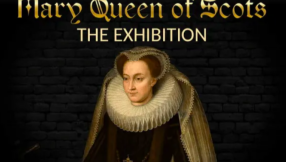
Peterborough Cathedral opens exhibition on Mary, Queen of Scots
Peterborough has opened a new exhibition on Mary, Queen of Scots, that will remain in place until 15 November.








