
The World Evangelical Alliance is in the process of setting up an evangelical network in Iraq in an effort to offer spiritual and physical support to Iraqi Christians by uniting them with the global body of evangelicals.
The World Evangelical Alliance, which represents some 420 million evangelicals worldwide, plans to open an alliance in Iraq next year, said the Rev Dr Geoff Tunnicliffe, international director of the WEA, in an interview with Christian Today.
"We are committed to seeing an evangelical alliance launched in Iraq," said Tunnicliffe. "We have already been working on it for a year and we think it is a very critical time for the Christians there - with the immense pressure that they are under - to have an alliance."
WEA leaders have been bringing together the small Iraqi evangelical population to build "bridges of understanding" across denominational lines and help them identify what they could do better as a group.
Although the specifics of the Iraqi Alliance's remit are still being discussed, some of its likely activities will include representing the evangelical community in discussions with the government, alerting the world about Christian persecution and kidnappings in Iraq, and helping to distribute humanitarian aid.
"Forming an evangelical alliance ... helps in negotiations with governments because the government becomes aware that this group of evangelicals - even though small in their country - is part of a huge network of people around the world," said Dr Tunnicliffe.
"When you negotiate different things with the government, having that backing is really important," said the WEA head.
The plight of Iraqi Christians has gained increasing media coverage with the Pope expressing concern about the minority group during his recent meeting with President Bush, and with the US Commission on International Religious Freedom holding its first-ever Iraqi minority hearing last month.
During the USCIRF hearing, the pastor of one of the largest churches in Iraq told of the desperate situation of Iraqi Christians and the lack of help from the international community.
"The situation is more than desperate," said the Rev Canon Andrew White, vicar of the 1,300-member St George's Anglican Church in Baghdad. "The Coalition has failed the Christians. We have done nothing to support the Christian community or the increased Christian suffering.
"Nothing has been provided as far as I have known," said Canon White, who has worked in Iraq for over a decade. "None of the Christians I have seen has ever received any help. We have huge needs."
The Baghdad church head noted that 36 of his own congregants were kidnapped within the last month alone, and that only one was returned after the church gathered the money for his ransom.
"Violence against all Christians are increasing all the time," emphasised Canon White.
Instability and incessant fighting has forced over 1.8 million Iraqis from their homes in Iraq while nearly two million Iraqis have fled Iraq since the 2003 US-led offensive, according to the UN High Commissioner for Refugees. Christians are estimated to make up nearly half of the refugees fleeing Iraq although they account for only three per cent of the country's population.
"In some of the countries around the world, where Christians are a very small minority, the fact that they are linked to a global body brings greater encouragement," said Dr Tunnicliffe.
"If you feel like you're living in isolation and you think you are alone it is very easy to get discouraged and despondent and want to leave," he said. "But if you realise that you are part of a growing network of believers, it doesn't mean the problems go away, but that you are facing your problems and challenges with a growing group of people that share a common set of values with you."
The WEA head urged Christians worldwide to pray for Iraqi Christians and reminded believers that whether they think the war is right or wrong, they still have the responsibility to be concerned for the Christian body suffering in Iraq.


-

Christian advent calendar sales 'soar' after online storm with Meghan Markle fans
-

Christian teacher challenges dismissal after sharing pro-life views in class
-

What’s so fascinating about Church of England vicars?
-

Half of Catholic churches in Glasgow to close
-

When ‘my truth’ replaces the truth
-

The questions Britain must answer about Christian free speech
Most Popular
related articles
Vicar of Baghdad: Nothing Being Done to Support Iraqi Christians
Vicar of Baghdad: Nothing Being Done to Support Iraqi Christians
Pope says Iraq Football Victory Lifts Peace Hopes
Pope says Iraq Football Victory Lifts Peace Hopes
New Church Appeal to Support Displaced Iraqis
New Church Appeal to Support Displaced Iraqis
Iraqi Political Leaders Hold Talks to End Crisis
Iraqi Political Leaders Hold Talks to End Crisis
US Forces Launch New Offensive in Iraq
US Forces Launch New Offensive in Iraq
News
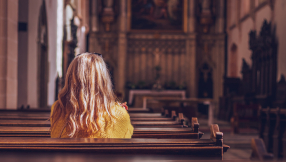
‘Strength does not always look impressive’: living with OCD as a Christian
Thea Joshi, of the Centre for Mental Health, reflects on living with OCD as a Christian and what churches and fellow Christians can do to help those living with the condition.
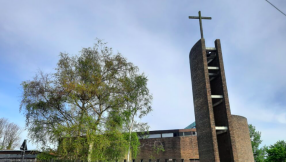
Church of England receives £13m under new scheme to preserve historic churches
A Church representative said he was conscious many churches had not received the funding they seek.
Are we ready to battle for the Gospel?
Evangelist Rico Tice calls on Christians to embrace the personal sacrifice of making disciples as church leaders hear of fresh opportunities to share the Gospel across Britain.
Understanding Jewish Law as rebellion
Jewish academic and Hebrew scholar Irene Lancaster reflects on the October 7 2023 anniversary, a timely statement from Church of England interfaith advisers, and fresh perspectives on Jewish Law.








