
Eritrea is becoming a giant prison thanks to excessive conscription and the arbitrary arrest of its people, says Human Rights Watch (HRW).
HRW said that Eritreans forcibly returned from countries like Libya, Malta and Egypt are often arrested and tortured on their return.
Christians belonging to any non-recognised denomination are routinely arrested. They are often set to forced labour or are locked inside metal shipping containers in the blistering sun.
In their report HRW says that countries with asylum-seekers from Eritrea should not send them back to their home country.
Currently Eritrea conscripts its citizens for national service for an indefinite period of time. Conscripts previously had to serve for only 18 months.
According to HRW most of Eritrea’s population has now been conscripted. The rights group says that the government is using an unresolved border dispute to keep the country in permanent war-readiness.
People under 50 years old are usually prevented from getting visas to leave Eritrea, and those who try to leave unofficially can be imprisoned, tortured or even shot at the border.
All independent media outlets have also been closed down by the government, says HRW.




-

More than one in four US Protestant churchgoers believe some biblical truths become outdated
-

Wycliffe celebrates ‘remarkable moment’ as Bible translation advances at rapid pace
-

Could the Church face a ‘silver uprising’?
-

Christian leaders issue ‘sober and urgent call’ for Western Church to prepare for disruption
-

Church in Wales pauses plans to allow gay marriage
-

Christian social worker returns to Court of Appeal in dispute over withdrawn job offer
Most Popular
News

Majority back Ireland’s three-day abortion waiting period, poll finds
A new poll has found majority support for retaining Ireland’s mandatory three-day waiting period before an abortion, as lawmakers continue to consider legislation that would remove the requirement.

ONS figures show 'good' outlook for married couples
The Coalition for Marriage (CFM) has welcomed new figures suggesting that married couples are increasingly staying together.
Christians condemn sexual violence following UN report on Russia-Ukraine conflict
Most cases of sexual violence documented were against male prisoners of war.
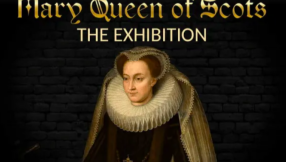
Peterborough Cathedral opens exhibition on Mary, Queen of Scots
Peterborough has opened a new exhibition on Mary, Queen of Scots, that will remain in place until 15 November.








