The emotional toll of divorce is greater on children who were in late childhood or early adolescence when their parents split up, a study has found.
Researchers at the UCL Centre for Longitudinal Studies found that children between the ages of seven and 14 were more likely to have emotional and behavioural problems than their peers who were still living with both their parents.
The study was based on the mental health data of more than 6,000 children born in the UK at the turn of the century as part of the Millennium Cohort Study.
The researchers found that children whose parents had split when they were between the ages of seven and 14 experienced a 16 per cent increase in emotional problems and an eight per cent rise in conduct issues in the short term.
The increase in emotional problems was true for both boys and girls, although only boys tended to have greater behavioural issues.
The study also found that the likelihood of emotional and behavioural problems was unaffected by levels of affluence.
For children who were much younger when their parents split - between the ages of three and seven - the prevalence of mental health problems remained on a par with children whose parents were still together.
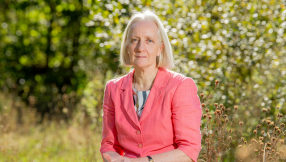
Prof Emla Fitzsimons, co-author of the study, said: 'With adolescent mental ill-health a major concern nationally, there's a pressing need to understand the causes. There are undoubtedly many factors at play, and our study focuses on the role of family break-up.
'It finds that family splits occurring in late, but not early, childhood are detrimental to adolescent mental health. One possible reason for this is that children are more sensitive to relationship dynamics at this age.
'Family break-ups may also be more disruptive to schooling and peer relationships at this stage of childhood.'
The Coalition for Marriage said the study was further evidence of the damage done to children by divorce.
'Divorce still damages children. There are exceptions but that's normally the case,' it said, adding that it only reinforced their view that the Government should not go ahead with plans to introduce no-fault divorces.
'Divorce for any and every reason – euphemistically known as 'no-fault' divorce – could, according to the Government's own research, cause the divorce rate to soar,' it said.
'It will inflict long-lasting pain on yet more young people and damage society as a whole.
'Why would any Government want to introduce it?'