
The Catholic aid agency said it believes 400 people were killed in massacres carried out in Congo by Ugandan rebels on Christmas Day and the days following.
Caritas said it had received “disturbing’ reports from the field of mass killings perpetrated by the notorious Ugandan rebel group, the Lord’s Resistance Army (LRA).
The LRA has denied responsibility for the attacks, one of which took place during a Christmas Day concert organised by the Catholic Church in Farajde City. Around 150 people are believed to have been killed in the attack over two days.
In another attack in Duru, Caritas said 75 people had been killed and a church burned down. Attacks are believed to have continued along the Sudan border, killing more than 250 people and prompting 6,500 to seek refuge with the Catholic church.
Caritas said that looting had left the people in desperate need of aid, and that it had received reports that the LRA was abducting children to use as soldiers.
Caritas Dungu-Doruma has appealed for peace and called on the Congolese Government to take steps to protect people from the attacks.
The northern region of Congo has been hit with attacks from the LRA over the last two months. Villages have been burned down and people killed or abducted.




-

More than one in four US Protestant churchgoers believe some biblical truths become outdated
-

Wycliffe celebrates ‘remarkable moment’ as Bible translation advances at rapid pace
-

Could the Church face a ‘silver uprising’?
-

Christian leaders issue ‘sober and urgent call’ for Western Church to prepare for disruption
-

Church in Wales pauses plans to allow gay marriage
-

Christian social worker returns to Court of Appeal in dispute over withdrawn job offer
Most Popular
News

Majority back Ireland’s three-day abortion waiting period, poll finds
A new poll has found majority support for retaining Ireland’s mandatory three-day waiting period before an abortion, as lawmakers continue to consider legislation that would remove the requirement.

ONS figures show 'good' outlook for married couples
The Coalition for Marriage (CFM) has welcomed new figures suggesting that married couples are increasingly staying together.
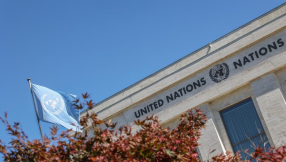
Christians condemn sexual violence following UN report on Russia-Ukraine conflict
Most cases of sexual violence documented were against male prisoners of war.
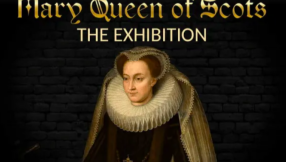
Peterborough Cathedral opens exhibition on Mary, Queen of Scots
Peterborough has opened a new exhibition on Mary, Queen of Scots, that will remain in place until 15 November.








