
On the third anniversary of the 9/11 attack, while the majority of the American still were unable to forget the pain of losing their loved ones, they were able to stand firm in unity to pray and remember. More than any words could ever do, their tears have already expressed the strongest plea for true peace in this world.
President George Bush proclaimed Friday through to Sunday as days of prayer and remembrance for victims of the 9/11 attack. Early in the morning of 9/11, Bush and the first lady, Laura Bush, attended the memorial service at St.Johns Episcopal Church near the White House.
The rector, the Rev. Luis Leon, reminded Bush that “part of his role is to be chaplain to this nation.” Leon clearly stated that “hatred is not the answer” in responding to the terrorist attacks and asked his congregation to “pray for those who mean to do us harm.”
Immediately after the service, the Bushes together with the Vice President Dick Cheney and his wife, Lynne joined the solemn ceremony on the White House’s South Lawn. At 8:46 a.m. the Bushes presided over a moment of silence marking the minute that American Airlines Flight 11 hit the north tower of the World Trade Center on 11 September 2001.
Later in the day President Bush gave a short radio remark, as he pledged his determination to combat the world’s terrorism. “We will not relent until the terrorists who plot murder against our people are found and dealt with,” Bush said.
Compared to Bush, the Democratic vice presidential nominee John Edwards commented in a mild attitude, “It is never just an anniversary; it is a time of renewal for each and every one of us to do God’s work here on earth.”
“We pray that God will continue to watch over and bless America,” Bush expressed his deep love for his nation.
The 9/11 attack has certainly broken the hearts of many. However, through witnessing the insufficiency of human life, many Americans have rediscovered the more important side in their lives.
Barnabas Institute, a non-denominational religious organisation conducted a poll interviewing 1,000 adult residents of Santa Fe, New Mexico during the week of 23-28 August 2004. Thirty percent of them said they were thinking more about the religious or spiritual side of their lives after the 9/11 incident. Even 19% of those who attend religious services less than once a year or never are found to have similar changes.
The conclusion is further justified by the results of a national poll of 2,000 adults that was conducted in July. Nationally, 32% of adults said that they were more concerned about the religious or spiritual side of their lives since 9/11.
Miki Vasquez, President of the Barnabas Institute, commented on the findings, “Churches in the area and nationally should be thinking of how to satisfy the needs of both Christians and non-Christians who want to be more religious.”




-

Wycliffe celebrates ‘remarkable moment’ as Bible translation advances at rapid pace
-

Could the Church face a ‘silver uprising’?
-

Christian leaders issue ‘sober and urgent call’ for Western Church to prepare for disruption
-

500 million Christians worldwide face Bible access restrictions, report finds
-

Church in Wales pauses plans to allow gay marriage
-

800 years on: Why St Francis of Assisi still captivates the world
Most Popular
News
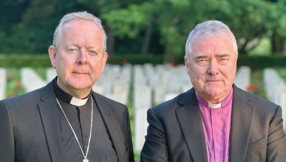
Irish archbishops urge peace and reconciliation amid Drumcree stand-off
Ireland’s Catholic and Church of Ireland archbishops have appealed for an “urgent” initiative to resolve the Drumcree parade dispute and asked Christians to pray for peace.
Former priest Chris Brain convicted of rape as Church review set to begin
Former Church of England priest Chris Brain has been convicted of rape and four counts of indecent assault following a retrial.
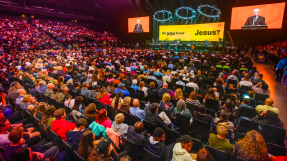
Franklin Graham preaches with warning from Sodom in Manchester
Franklin Graham used the biblical story of Lot’s flight from Sodom to urge thousands in Manchester on Saturday night to seek forgiveness through Christ and accept His gift of salvation.
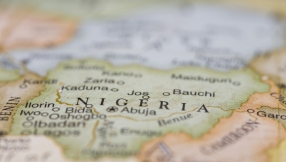
More than 4,200 Christians killed in Nigeria this year - report
More than 4,200 Christians have been killed in Nigeria so far this year, according to a new report calling for stronger action to protect communities facing violence across the country’s Middle Belt.








