Burundi's Catholic Church and the European Union have both withdrawn from observing elections set to take place in the central African nation next month, citing reporting restrictions and a culture of intimidation.
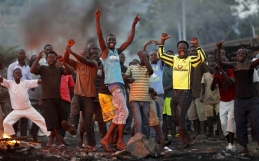
There have been ongoing protests since current President Pierre Nkurunziza declared he would stand for a third term, despite the constitution only allowing a president to be elected for two terms.
"After taking into account the way in which the elections are organized, we Bishops of the Catholic Church believe that priests have to resign and give way to those who can continue the work," Mgr Gervais Bashimiyubusa, Bishop of Ngozi and President of the Episcopal Conference of Burundi said in a statement yesterday.
"We cannot make ourselves guarantors of elections full of gaps," he added.
The EU said it had suspended its observer mission as the electoral process was "seriously marred by restrictions on independent media, excessive use of force against demonstrators (and) a climate of intimidation for opposition parties and civil society".
The Church also criticised the closure of private radio stations, and said that state radio only endorses the ruling party. "It's hardly conceivable that we would be able to conduct fair and transparent elections for all," Banshimiyubusa said.
The government said both the EU and the church had erred in withdrawing ahead of the elections. "They should stay and wait for the process to begin and report anything that comes from them," said Gervais Abayeho, the president's spokesman.
Abayeho added that the government remained open to having foreign monitors and that other "able" Burundians would replace priests as observers at polling stations.
Nkurunziza argues that his first five-year term doesn't count as, owing to the transitional process at the end of the civil war, he was chosen by parliament and not the people of Burundi. The constitutional court ruled in his favour, although there are widespread reports that members of the court were pressured into agreeing with the President. The court's vice-president fled to Rwanda because he refused to sign the ruling.
Opposition supporters took to the streets of the capital Bujumbura to demonstrate against a decision that was seen as being unconstitutional. In mid-May army general Godefroid Niyombare attempted to stage a coup, claiming that he had ousted the president, but which the government dismissed as "a joke".
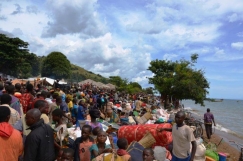
About 20 people are thought to have been killed in the protests in the capital, Bujumbura, and the UN reports that more than 100,000 people have fled to neighbouring countries to escape the unrest.
Earlier this month the Catholic Church, which represents more than two-thirds of the population, also announced its opposition to the President's decision, the British government also urged Nkurunziza to reconsider.
Although the opposition has called for the elections to be postponed, parliamentary and local council elections are currently scheduled to go ahead on June 5, followed by the presidential election on June 26.
Additional reporting by Reuters