Brain-deforming Zika virus carried by mosquitoes reaches Hawaii, infects baby

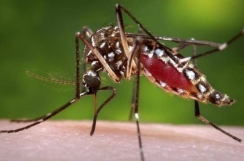
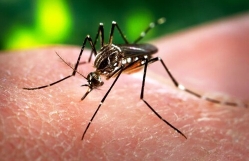
The Aedes Aegypti mosquito is believed to be a carrier of the Zika virus. (CDC)

Is the world on the verge of an epidemic due to a spreading virus carried by mosquitoes that can deform the human brain?

The state of Hawaii became the latest area to report a case of the untreatable Zika virus, after health officials recently confirmed that a baby born with brain damage at a hospital in Oahu, Hawaii was infected with the disease.

The baby is the first incident of the Zika virus infection in Hawaii, and the second in the United States. An unidentified woman from Texas who traveled to Latin America, where the virus is quite prevalent, was likewise confirmed to have been infected.

Health authorities said the baby got the Zika virus from her mother who had lived until May 2015 in Brazil, where thousands of babies were monitored for brain deformities or damage due to the dangerous virus.

Doctors believe the woman was infected during her early pregnancy, causing the virus to attack the embryo, damaging its developing brain.

The Zika virus, transmitted when a carrier mosquito bites a human being, is believed to be the cause of microcephaly in young children, or the development of an unusually small skull.

Other symptoms of the Zika virus infection include mild fever, joint pain and skin rash. At present, there are no medicines, vaccines or treatments yet for this infection.

Hawaii health officials nevertheless assured that there is no risk yet of transmission or an outbreak of the Zika virus in the state.

Aside from U.S. and Brazil, cases of the Zika virus have also been reported in Yap Island in Micronesia, in Tahiti and other parts of French Polynesia.

Just recently, American health officials issued a travel warning, particularly for pregnant women in the US, against going to 14 countries and territories in the Caribbean and Latin America where Zika cases have been recorded.


related articles
Over 2,400 babies in Brazil suspected to have brain damage due to mosquito-borne virus that came from monkeys

Over 2,400 babies in Brazil suspected to have brain damage due to mosquito-borne virus that came from monkeys

Untreatable mosquito-borne disease that can cause deformities in babies reaches Texas

Untreatable mosquito-borne disease that can cause deformities in babies reaches Texas

News
Pope seeks prayers for peace in Christmas Day message

The Pope asked people to pray in particular for the "tormented people of Ukraine" in his Christmas Day 'Urbi et Orbi' message. 

Who was St Stephen and why is he remembered on December 26?

The carol says, “Good King Wenceslas last looked out on the Feast of Stephen.” In many countries, December 26, also known as Boxing Day, is better known as St Stephen’s Day. Stephen was the first Christian martyr. This is the story …

King Charles reflects on pilgrimage, reconciliation and hope in Christmas Day address

King Charles III used his Christmas Day speech to reflect on the significance of pilgrimage as he appealed to the nation "to cherish the values of compassion and reconciliation". 

2 Timothy 3:16 is Logos' Bible verse of the year, Matthew was the most studied book

One of the most-studied Bible verses of the year is from 2 Timothy in the New Testament, according to an analysis of millions of Bible study sessions that tracked how believers worldwide are engaging with Scripture.