
HONG KONG - China ruled out full democracy for Hong Kong in 2012 on Saturday, ignoring the majority opinion in the former British colony, but said it may pick its leader by universal suffrage at the following opportunity, in 2017.
Full democracy for forming Hong Kong's legislature would follow in 2020, the Standing Committee of China's parliament, the National People's Congress (NPC), said.
Qiao Xiaoyang, a senior NPC official, said it opted for a delay till 2017 to preserve Hong Kong's stability based on a principle of "gradual and orderly progress".
"This is the most active and progressive arrangement we can have," he told a forum in Hong Kong.
Chief Executive Donald Tsang welcomed the ruling, urging Hong Kongers to shelve their differences and work together to hammer out the details.
"We must treasure this hard-earned opportunity," Tsang told reporters. "I sincerely urge everybody to lay down all disagreements and start moving toward conciliation and consensus."
But the city's vocal pro-democracy camp, a key voting block in the legislative council, was disappointed at what it saw as yet another delay. It organised a protest march that drew a few hundred people outside the historic legislative building.
The decision to rule out 2012 was effectively the NPC's second veto of a possible date for universal suffrage after a 2004 ruling that quashed hopes for full elections in 2007.
However, the NPC's statement that Hong Kong "may" have universal suffrage in 2017 - the 20th anniversary of Hong Kong's return from British to Chinese rule - marked Beijing's clearest indication yet as to when full democracy might finally germinate.
Democratic legislators have been calling for a timetable for democracy, but Civic Party lawmaker Audrey Eu said the pledge to consider full democracy in 2017 was not a promise to allow it.
"It's an expectedly disappointing decision," she said.
"A lot of people concentrate on the reference to 2017 and think there's hope, but to say you may have universal suffrage in that year doesn't mean it's going to happen ... there's no guarantee that it won't be vetoed again."
ULTIMATE AIM
Hong Kong's mini-constitution, the Basic Law, promises universal suffrage as the "ultimate aim" but is vague on a date, giving Beijing scope to dictate a glacial pace of progress.
The chief executive is currently picked by an 800-seat election committee stacked in Beijing's favour, and only half of the city's 60-member legislature are directly elected with the others picked by various business and interest groups.
At the demonstration on Saturday, protesters hoisted banners that read "Democracy delayed is democracy denied" and "No compromise at all".
"We've been cheated out of democracy for another 10 years ... I don't trust the Communist Party at all," said Yeung Lai-kwong, 50, a protester in the printing business.
But political analyst Michael DeGolyer of Hong Kong Baptist University said unless the democratic camp accepted the NPC's decision, it risked being tarred as obstructionist and losing seats in the 2008 Legislative Council election.
"The likelihood is that the democratic movement will split," he said. "The phrase 'better late than never' is going to be a crucial notion."
Saturday's ruling came in response to a report by Tsang which said Hong Kong's majority wanted direct elections by 2012, though a delay until 2017 stood a "better chance of being accepted".
Despite nixing direct elections in 2012, the NPC said it would allow "appropriate amendments" to electoral methods for selecting Hong Kong's leader and legislature that year.
Of the basket of promises enshrined in the city's mini-constitution, Beijing has upheld pledges to allow economic freedoms, but kept the city on a tight leash politically.
While most Hong Kongers want universal suffrage by 2012, a public opinion poll by the Chinese University found 60 percent of citizens would accept 2017, if 2012 were ruled out.
11% OFF

VitaUp Beet Root Gummies with CoQ10 & Grape Seed - Nitric Oxide Circulation Support (60 Count)
$24.91 $27.91
50% OFF

HDPE All-Weather Adirondack Chair with Built-In Cup Holder - Tool-Free Assembly (Grey)
$69.99 $139.99
60% OFF

HOMETUK Clear Plastic Storage Bins with Dividers - 3-Pack Stackable Acrylic Organizer Containers for Fridge and Pantry
$19.99 $49.99
58% OFF

G Gradual Men's Fishing Shirt - UPF 50+ Lightweight Short Sleeve Button Down with Zipper Pockets
$14.99 $35.99
55% OFF

Everyfun 60" Rectangular Platform Tree Swing - 700lbs Heavy Duty Adjustable Outdoor Swing (Colorful)
$49.99 $110.99
61% OFF

Ekouaer Women's Casual Loose Jumpsuit - One-Piece Printed Sleeveless Wide Leg Romper with Pockets
$14.99 $37.99
40% OFF
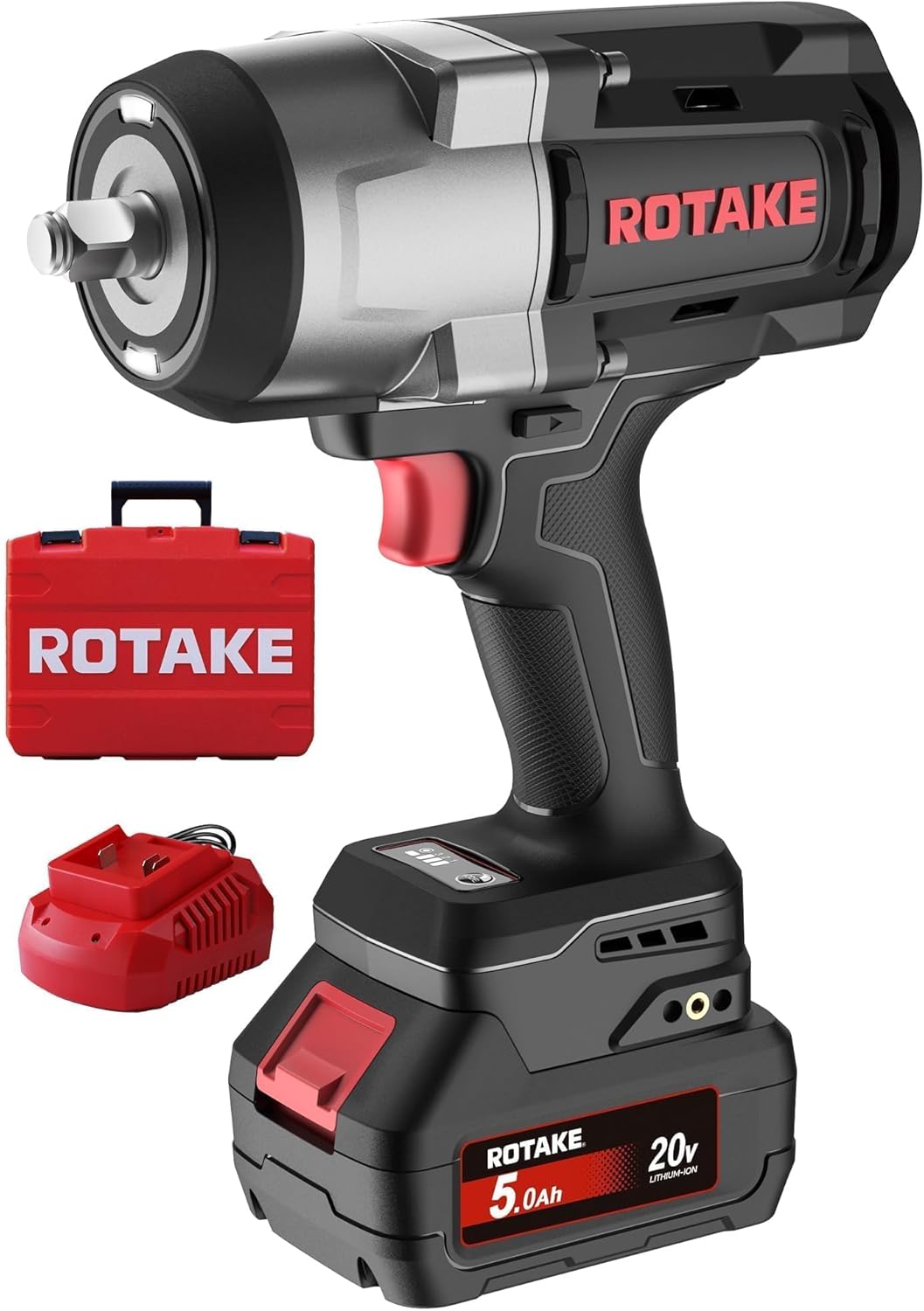
ROTAKE TB3 20V Heavy Duty 1/2" Cordless Impact Wrench Kit - 1380 Ft-Lbs Torque
$132 $219.99
36% OFF

Men's Athletic Running Shorts with Zipper Pockets - Lightweight & Quick Dry
$12.74 $19.99
61% OFF

Modern Ceiling Fan with Light and Remote - Reversible Quiet DC Motor
$69.3 $179.99
50% OFF

MOOKA H13 True HEPA Air Purifier for Home Large Room - 1076 sq ft Odor Eliminator
$39.97 $79.95
60% OFF

Ekouaer Women's Satin Silky Pajama Set - Short Sleeve Pullover Top & Wide-Leg Pants
$13.99 $34.99
55% OFF

Ekouaer 3-Piece Maternity & Nursing Pajamas Set - Short Sleeve Top with Shorts and Pants
$14.99 $32.99

Sealy 2-Pack Tritech 16" Twin Inflatable Air Mattress with Built-in AC Pump
$0 $113.99
20% OFF

INTEX Prism Frame 20ft x 52in Above Ground Pool Set - Round Steel Frame Swimming Pool
$695.99 $869.99

Gardner Pet 43" Heavy Duty Dog Crate with Wheels - Indestructible Folding Metal Cage (Black)
$0 $149.99
12% OFF

Elegant Mid-Century Modern Bar Stools - Set of 4
$395.99 $449.99
23% OFF

Ergonomic Office Chair - Big and Tall Desk Chair with Adjustable Lumbar Support
$279.99 $363.99
26% OFF

Magnelex American Flag Windshield Sun Shade - High-Resolution UV Reflective Heat Shield (X-Large)
$19.9 $26.9
20% OFF
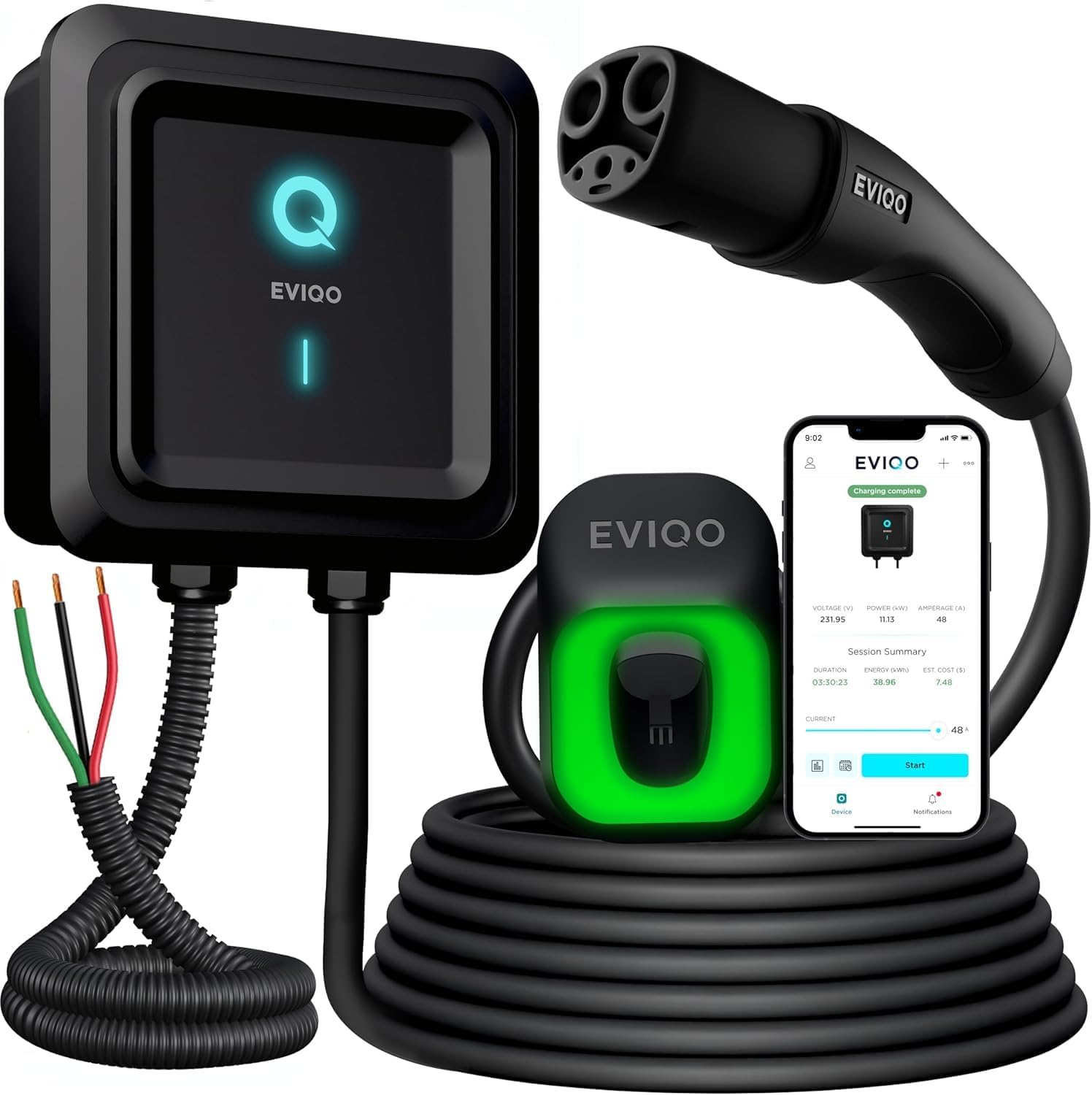
EVIQO 48 Amp NACS Level 2 EV Charger - Hardwired Smart WiFi Wall Charger for Tesla
$368.51 $458.55
50% OFF

DBFIT Air Purifier for Home Large Room
$29.99 $59.99




-

Historic Lancashire church secures £250,000 National Lottery grant for major roof repairs
-

Sunderland Minster PCC was right to push back over trans toilet sign
-

Bethel Church distances itself from Todd Bentley and Mike Bickle
-

Christian police officer reaches settlement over diversity training discrimination claim
-

Turkey's hidden Christian past: Extraordinary discoveries are rewriting the story of early Christianity
-

Washington Archdiocese parts ways with exorcist priest over UFO remarks
Most Popular
News

A Christian response to the crisis facing young people
The Church has a wonderful message of hope to share with young people increasingly feeling a sense of nihilism and hopelessness at the state of the world, writes Tim Farron.

Tributes paid to Operation Mobilisation co-founder Dale Rhoton
Tributes have been paid to Dale Rhoton, one of the co-founders of international mission organisation Operation Mobilisation (OM), after his death at the age of 88.

Doctors should work for good of the patient, not facilitate suicide, says Christian Medical Fellowship
Suicide is always a tragedy that should be resisted, the CMF suggested.

Parents play decisive role in passing faith to the next generation, study finds
Parents who actively practise and discuss their faith at home are significantly more likely to see their children remain committed Christians into adulthood, according to a major new study.
VitaUp Beet Root Gummies with CoQ10 & Grape Seed - Nitric Oxide Circulation Support (60 Count)
$24.91
HDPE All-Weather Adirondack Chair with Built-In Cup Holder - Tool-Free Assembly (Grey)
$69.99
HOMETUK Clear Plastic Storage Bins with Dividers - 3-Pack Stackable Acrylic Organizer Containers for Fridge and Pantry
$19.99
G Gradual Men's Fishing Shirt - UPF 50+ Lightweight Short Sleeve Button Down with Zipper Pockets
$14.99
Everyfun 60" Rectangular Platform Tree Swing - 700lbs Heavy Duty Adjustable Outdoor Swing (Colorful)
$49.99
Ekouaer Women's Casual Loose Jumpsuit - One-Piece Printed Sleeveless Wide Leg Romper with Pockets
$14.99
ROTAKE TB3 20V Heavy Duty 1/2" Cordless Impact Wrench Kit - 1380 Ft-Lbs Torque
$132
Men's Athletic Running Shorts with Zipper Pockets - Lightweight & Quick Dry
$12.74
Modern Ceiling Fan with Light and Remote - Reversible Quiet DC Motor
$69.3
MOOKA H13 True HEPA Air Purifier for Home Large Room - 1076 sq ft Odor Eliminator
$39.97
Ekouaer Women's Satin Silky Pajama Set - Short Sleeve Pullover Top & Wide-Leg Pants
$13.99
Ekouaer 3-Piece Maternity & Nursing Pajamas Set - Short Sleeve Top with Shorts and Pants
$14.99
Sealy 2-Pack Tritech 16" Twin Inflatable Air Mattress with Built-in AC Pump
$0
INTEX Prism Frame 20ft x 52in Above Ground Pool Set - Round Steel Frame Swimming Pool
$695.99
Gardner Pet 43" Heavy Duty Dog Crate with Wheels - Indestructible Folding Metal Cage (Black)
$0
Elegant Mid-Century Modern Bar Stools - Set of 4
$395.99
Ergonomic Office Chair - Big and Tall Desk Chair with Adjustable Lumbar Support
$279.99
Magnelex American Flag Windshield Sun Shade - High-Resolution UV Reflective Heat Shield (X-Large)
$19.9
EVIQO 48 Amp NACS Level 2 EV Charger - Hardwired Smart WiFi Wall Charger for Tesla
$368.51
DBFIT Air Purifier for Home Large Room
$29.99