A new national survey has found that most Americans remain deeply confused about the nature of sin, with many rejecting biblical definitions and even refusing to call themselves “sinners.”
The findings come from the American Worldview Inventory 2025, a wide-ranging study led by Arizona Christian University’s Cultural Research Center.
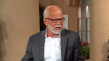
Dr George Barna, who directed the research, described the results as “spiritually dangerous.”
“After more than four decades of studying the beliefs of Americans, I’m convinced that few issues are more misunderstood—or more spiritually dangerous—than sin,” Dr Barna said.
“Americans often admit that sin exists but refuse to take it seriously—focusing more on how guilty sin makes them feel than on what sin does to their relationship with God or to their lives.
“Their mindset reveals what we love most – ourselves, while ignoring what matters most: our standing before, and humbling connection to, a holy God.”
The survey revealed six widespread misconceptions about sin that contradict biblical teaching.
First, many Americans no longer believe that sin originates in the human heart. In fact, just 43% of adults accept that sinful actions arise from an inherently broken or sinful heart.
Instead, the prevailing view (75%) is that people are “basically good at heart.”
Second, the notion that emotions often take precedence over truth. Six in ten adults (61%) acknowledge that sin results in guilt, yet for many, those guilty feelings are considered more troubling than the sin itself.
Third, the impact of sin is frequently minimised. No more than 56% of respondents believe that sin has a lasting effect on a person’s life, suggesting that many do not see sin as transformative or life-changing.
Fourth, large numbers of Americans fail to connect sin with disobedience to God, with only 62% agree with the biblical definition that sin is, at its core, rebellion against God’s divine authority.
Fifth, the very definition of sin is being reshaped. Only about half of adults (53%) recognise sin as an intentional act of wrongdoing, with others redefining it in more subjective terms.
Finally, millions of people reject the idea that sin is an act of personal rebellion against God.
While many may admit to moral failures, they stop short of acknowledging sin as a direct rejection of God’s authority and design.
Barna said these attitudes show how blurred America’s understanding has become: “As a nation, we’ve made peace with sin—and that puts our souls at risk.”
The research also revealed that a very small minority—just 14%—maintain a biblical perspective on sin.
Though 84% say sin exists, only about 52% believe everyone sins, and an equal number identify themselves as sinners.
That number rises slightly among self-identified Christians, with two-thirds accepting the label, but a quarter of born-again believers still refuse to call themselves sinners.
The rest of the respondents who hold that everyone sins distance themselves from the label, assuming wrongdoing belongs to others, not themselves.
The perception that all people sin is weakest among Gen Z (41%) and grows stronger among older generations: nearly half of Millennials (49%), just over half of Gen X (53%), and more than half of Baby Boomers (57%) agree.
Barna linked the confusion to shortcomings in modern preaching.
He quoted Pew Research from 2019 showing that a mere 3% of Christians make any reference to sin.
This has worrying implications for the Church - and individuals, he explained: “When such a central doctrine is rarely addressed, believers will likely lack a clear understanding of their condition before God and the redemptive work of Christ.
“Over time, this absence contributes to confusion about truth, morality, and the nature of salvation.
“Ultimately, this glaring omission from the pulpit is leaving believers uninformed and unequipped when it comes to understanding the issue of sin. And we’re clearly seeing that confusion in today’s report.”
Despite the sobering findings, Barna insists the Church has an opportunity to provide clarity.
“If we no longer see sin, how can we understand our need for a Saviour?” he asked.
He called on churches and individual believers to recover a biblical perspective on sin and repentance: “The Church must reclaim its God-given mandate to stand apart from the culture in its understanding of and response to sin—because when the Church mirrors the world, it forfeits its spiritual power and authority.
“But the Church cannot do this work alone. We all share the calling to teach the truth about sin, to model genuine repentance, and to guide people back to God’s design.
“Together, we can continue to shine light on America’s worldview crisis, equipping the next generation of leaders, parents, and churches to confront confusion with courage and call people back to God’s truth.”