
|PIC1|“We know no one is more eager to bring this emergency to a close than those who fled the violence,” Church World Service emergency response director Donna Derr said in a statement Tuesday.
But the number of people returning is “quite small”, she said, and a humanitarian crisis continues across Pakistan.
Government officials in Pakistan announced Monday a three-phase plan to return internally displaced persons (IDPs) back to their homes in Swat Valley. About 1.7 million people are registered in government-run camps and many citizens are sheltered in private residences.
It is estimated that nearly two million people in total are displaced because of the fighting between the Taliban and the government in the northwest region.
Last week, the Pakistani military said it had “eliminated” extremists in Swat Valley and the surrounding area but media interviews with displaced citizens suggest that many have doubts about the safety of Swat Valley.
"The army promised us twice before that they cleared the area, but then Taliban came again and again to Swat,” shopkeeper Shamsher Ali, 55, told Agence France-Presse. “Perhaps this time the Taliban will come again to Swat.”
On Monday, the first government-organised buses and trucks began to transport displaced families back to their homes. But some reports say only a few hundred people were seen boarding the buses, prompting criticism against the government for the slow process of returning people to Swat Valley.
Although some are returning to the Swat Valley, CWS said it is still highly concerned about getting aid to those who remain displaced. The US-based organisation noted that the situation is complicated because of the large number of people staying in private residences that also need food and medical assistance.
Medical care in Pakistan is complicated by the fact that cultural tradition dictates that it is not appropriate for male doctors to care for women or girls. As a result, the large number of women refugees are resistant to receiving medical attention from male doctors.
“The process of ensuring security and returning people home is going to take some time,” emergency response director Donna Derr commented. “Until then it is up to all of us to help those caught in a situation far beyond their control.”
CWS has operated in Pakistan since 1954, where it works with local partners to distribute aid to displaced families.




-

Why the Archbishop of Canterbury’s award controversy matters
-

More than one in four US Protestant churchgoers believe some biblical truths become outdated
-

Christian leaders issue ‘sober and urgent call’ for Western Church to prepare for disruption
-

Australia's anti-therapy laws harm the most vulnerable - Britain should not copy them
-

Songs of Praise celebrates 65 years with special anniversary episode - and finds a new generation online
-

First segments of Eternal Wall of Answered Prayer near Birmingham completed
Most Popular
News

400% increase in euthanasia deaths in Australian state of Victoria
Right To Life UK said the surge in numbers showed why UK MPs were right to reject assisted suicide.
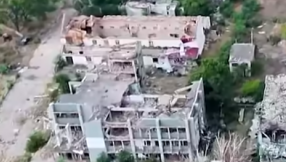
Ukrainian churches appeal for aid in starving Oleshky
Russia and Ukraine have blamed each other for the crisis in Oleshky.

Westminster Abbey plans memorial to JRR Tolkien
The memorial will go next to that of his friend CS Lewis.
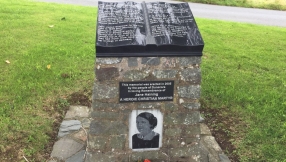
Scottish Parliament honours missionary who died in Auschwitz
MSPs said they hoped Haining's example would resonate with people at a time of rising hate crime and antisemitism.








