
On Thursday, the inter-governmental body adopted the “Resolution on Combating Intolerance and Violence against Persons Based on Religion or Belief,” calling upon UN states to adopt measures and policies to promote the full respect and protection for places of worship and religious sites, and to take measures in cases where they are vulnerable to vandalism or destruction.
The 47-member state body also called for strengthened international efforts to foster a global dialogue for the promotion of a culture of tolerance and peace at all levels, based on respect for human rights and diversity of religions and beliefs.
It did not, however, speak out against the “defamation of religions”, which the Organisation of the Islamic Conference has been lobbying the United Nations to make a human rights violation since 1999.
“The resolution properly focuses on protecting individuals from discrimination or violence, instead of protecting religions from criticism,” noted the US Commission on International Religious Freedom in welcoming Thursday’s resolution.
“Unlike the defamation of religions resolution, the new consensus resolution does not call for legal restrictions on peaceful expression, but rather, for positive measures, such as education and awareness-building, to address intolerance, discrimination, and violence based on religion or belief,” the bipartisan federal body added.
For the past decade, OIC has sought to criminalise words and actions perceived as attacks against religion – particularly Islam – claiming that there is “need to effectively combat defamation of all religions and incitement to religious hatred in general and against Islam and Muslims in particular."
According to the Islamic organisation, the defamation of religions “could lead to social disharmony and violations of human rights".
Critics of OIC’s efforts, however, argue that support for such a concept would be dangerous as it would legitimise national blasphemy laws used by countries such as Pakistan to silence Christians and other religious minorities, as well as Muslims who do not conform to the government's ideas.
“The defamation concept undermines individual rights to freedom of religion and expression; exacerbates religious intolerance, discrimination, and violence; and provides international support for domestic blasphemy laws that often have led to gross human rights abuses,” USCIRF noted Thursday.
In a separate statement Thursday, US Secretary of State Hillary Clinton added, “The United States strongly supports today’s resolution, which rejects the broad prohibitions on speech called for in the former ‘defamation of religions’ resolution, and supports approaches that do not limit freedom of expression or infringe on the freedom of religion".
With the new resolution adopted, religious freedom advocates say the next step is for countries that have blasphemy laws to eliminate them.
“Today’s adoption of this resolution by the UN Human Rights Council is an important statement that must be followed by sustained commitment,” remarked Clinton.
USCIRF Chair Leonard Leo added, “USCIRF is gratified that this new resolution recognises that religious intolerance is best fought through efforts to encourage respect for every individual’s human rights, not through national or international anti-blasphemy laws."
Created by the UN General Assembly in 2006, the UN Human Rights Council is responsible for strengthening the promotion and protection of human rights around the globe. The main purpose of the 47-U.N. member state council is to address situations of human rights violations and to make recommendations on them.
-

New pilgrimage route follows in the footsteps of the Manx Bible translators
-

Survey finds Gen Z most likely to identify as religious
-

Edinburgh University ends divinity programmes as theology faces a changing future
-
Australia's anti-therapy laws harm the most vulnerable - Britain should not copy them
News
-

Edinburgh University ends divinity programmes as theology faces a changing future
-
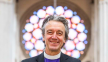
What links Tommy Robinson, Andrew Tate and the CofE’s newest diocesan bishop?
-

Third of young people now turning to AI for friendship, research finds
-

Why the Archbishop of Canterbury’s award controversy matters
-

Catholicism in France has 'collapsed'
-

From Genesis to Revelation: The ambitious AI project turning the Bible into music
Most Popular
News

New pilgrimage route follows in the footsteps of the Manx Bible translators
A new pilgrimage route has been launched on the Isle of Man, following in the footsteps of the men who translated the Bible into Manx.
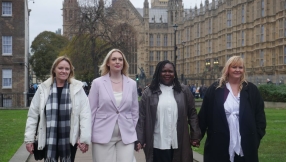
Christian nurse Jennifer Melle supports Sandie Peggie in latest tribunal
Jennifer Melle was vindicated in her own case and is now supporting Scottish nurse Sandie Peggie.
Australia's anti-therapy laws harm the most vulnerable - Britain should not copy them
As a former gay activist, I can assure you that the content of the draft bill to ban so-called conversion therapy demonstrates categorically that the UK Government has only listened to one side of the story.

Survey finds Gen Z most likely to identify as religious
Generation Z adults are more likely than older Americans to describe themselves as “religious,” even as many also engage in practices at odds with Christian teaching, according to a new survey.








