Representatives of UK Churches and church-related organisations will be meeting in London next month to discuss how they can support efforts to improve conditions for Bangladeshi garment workers.
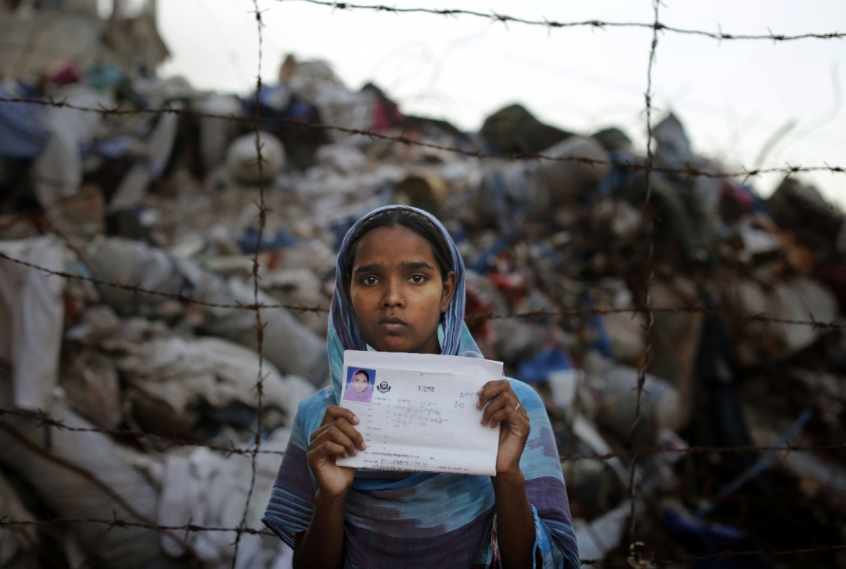
The UK Churches' Bangladesh Group has been set up following the tragic collapse of the Rana Plaza in Savar, Bangladesh, in which over 1,100 people, mainly garment workers, were killed.
Just six months earlier, a fire in a garment factory on the outskirts of Dhaka killed 117 people.
The group includes the Methodist Church, Church of Scotland, the Church in Wales, Church Mission Society and Council for World Mission.
They are working in partnership with the Church of Bangladesh, which is campaigning for safe working conditions and fair pay for Bangladeshi garment workers, many of whom work in factories making clothes for sale in Western stores.
The meeting at Methodist Central Hall, Westminster, on September 5 will be joined by the former Moderator of the General Assembly of the Church of Scotland, the Very Reverend John Christie, and Moderator of the Church of Bangladesh, Bishop Paul Sarker.
A garment factory worker from Bangladesh will also be present at the meeting.
Steve Pearce, Partnership Coordinator for Asia and the Pacific, said: "The distressing tragedy at Savar has given us the opportunity to take action and make a difference for garment workers in Bangladesh.
"As the story of the inexcusable loss of life at Rana Plaza fades from our media, I hope people will use these resources to make sure it doesn't fade from our memory before we have done our best to create irresistible pressure for change."
Resources are being made available for churches containing an action plan for grassroots campaigning, a Bible study, prayer, and a letter for consumers to send to retailers demanding improvements to the pay and working conditions of garment workers.
The coalition is also taking the campaign to social media, using the Twitter hashtags #LookBehindTheLabel #garmentworkers and #Bangladesh.
Bishop Sarker said: "Importers and buyers should not stop their garments business in Bangladesh. At present the garment manufacturing sector is the second largest foreign exchange earner of Bangladesh. A large poor section of our population is surviving on this sector. We have to keep in mind that the garment manufacturers are rich, powerful and greedy. In Bangladesh most businessmen have no ethics. They want only easy profit."
Mr Christie said: "We are not going to go in as white knights and say 'this is how you have to do it'. If the rest of us support Bishop Paul and the Church of Bangladesh in what they are doing we have an opportunity for a positive step.
"Churches can do far more together than separately and by acting together we can work towards improving health and safety conditions and thus the quality of life for the many Bangladeshi garment factory workers.
"Together we are seeking justice for the garment workers and their families which are heavily dependent on them."
Steve Pearce discusses the situation of garment workers in Bangladesh in the latest Methodist Church podcast, Bangladesh: The Real Cost of Clothing, available to listen here