Pressure is mounting for the government to clamp down on highly addictive fixed-odds betting terminals (FOBTs), after new figures showed over two-thirds of MPs want action.
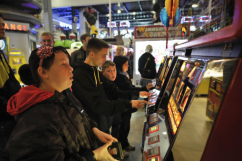
FOBTs are electronic roulette machines where players can bet on a variety of different games. There is a maximum stake of £100 every 20 seconds, meaning £300 can be lost in a single minute – more than a week's wages for many.
The poll of 150 MPs showed 72 per cent want tougher regulations on high stake FOBTs.
81 per cent also say FOBTs are having a negative effect on society and 67 per cent say the current maximum stake is too high.
"This polling is extremely encouraging and shows there is real appetite for action on FOBTs from MPs all across the House of Commons," said Christian charity CARE's chief executive Nola Leach.
"FOBTs are socially destructive and a genuine social menace because of the highly toxic combination of high speed play and high maximum stake that encourages addiction which can bring devastating consequences.
"It is all too easy for people to lose vast sums of money in just one hour on these machines and we already know they are often clustered in poorer areas."
Leach added: "Reducing the maximum stake on FOBTs in the first instance would help limit the harm they cause to people's lives.
"It would also ensure FOBTs are a far more benign form of entertainment and we would urge the government to stop stalling and take more robust action to curb these highly addictive machines."
A group of cross-party MPs have launched an attempt to introduce stricter controls of the betting machines and formed a FOBT All Party Parliamentary Group, chaired by Labour MP Carolyn Harris.
The poll suggested that a majority of conservatives – 54 per cent – also want to introduce stronger regulations, as do 91 per cent of Labour MPs and 85 per cent of SNP MPs.
Anna Henry, a clinical psychologist and ex-gambling addict has said the machines are "designed to foster addiction".
She said: "These machines isolate the player so there is nothing to distract them from that screen. Its speed is to encourage frenzy and thus more spending."