Parents given 'atheist handbook' to challenge religion in schools

An atheist handbook will be given to parents concerned about religious influence in schools as a guide for how to challenge teachers.

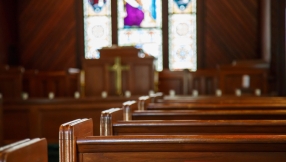
Scottish law requires schools to host six religious observance sessions a year, although the school may choose to have more Pixabay

Humanist Society Scotland (HSS) have published 'A Guide for Non-Religious Parents' and 'A Guide for Non-Religious Young People' to try and help them understand their human rights regarding religious classes.

The humanist group said they received regular complaints from parents and pupils and the guides would help "empower the two-thirds of non-religious young people in Scotland".

Gary McLelland, the organisation's head of communications, said: "Many people across Scotland feel uncomfortable about the religious content of in the school system but are unsure about what their legal rights are.

"We know from our own research that not all parents are aware of their right to withdraw from religious observance. Schools really do have a responsibility to let parents and carers know what their legal rights are. That's why we've created these booklets.

"We want to give parents and young people a guide to their legal rights here in Scotland.

"It is our ultimate aim to see religious observance scrapped and replaced with a more inclusive activity, such as philosophy, but until then we will campaign to make sure that all parents and young people are aware of their rights."

The organisation accused the ruling SNP of "dragging its feet" over refusing to allow older students to opt out of religious sessions.

But the SNP have made it clear they do not intend to change Scottish law which also requires schools to hold at least six religious observance sessions a year.

Scotland's decentralised education system means there is wide variety in the content of these meetings. In more inner-city schools they are often less specifically religious with campaign groups as well as church priests leading a "reflection".

But in the more rural areas the sessions are often more traditionally Presbyterian and run by Church of Scotland ministers.


Newsletter Stay up to date with Christian Today
related articles
The Satanic Temple opens \'After School Satan Clubs\' for children young as five
The Satanic Temple opens 'After School Satan Clubs' for children young as five

The Satanic Temple opens 'After School Satan Clubs' for children young as five

California bill threatens to remove exemptions for religious schools

California bill threatens to remove exemptions for religious schools

Victory for religious freedom campaigners in California Christian colleges struggle

Victory for religious freedom campaigners in California Christian colleges struggle

Religious freedom: 3 ways Christianity threatens dictatorships

Religious freedom: 3 ways Christianity threatens dictatorships

News
What should Christians make of Tommy Robinson?

In demanding that the likes of Robinson be banned from the Oxford Union, the clergy are in effect setting their own limit on freedom of speech and freedom of religion.

Christian woman persecuted by Iranian regime sentenced to 9 years in prison

A Christian convert in Iran has been sentenced to nine years and eight months in prison on trumped-up charges linked to state security and anti-government activity.

John Lennox fears AI is making us lazy

Christian media leaders heard calls for courage, authenticity and discernment at the recent Revive 2026 conference.

Does the Church of England need to re-think its messaging?

If you look at the Church of England’s communications all that it ever seems to highlight is the good works that Christians do to improve the temporal well-being of their neighbours. It is right to highlight these things, but they are not the primary reason for the Church’s existence.