
The Church of Scotland has welcomed the decision by the Human Fertilisation and Embryology Authority (HFEA) to have a full public debate and consultation on the possibility of licensing research on human-animal hybrid embryos.
The Church's General Assembly is not opposed to all research involving embryonic stem cells, but its has expressed firm opposition to research involving the creation of human-animal 'hybrid' cloned embryos.
"Christian teaching on compassion for the sick welcomes and indeed stimulates scientific research in medicine, but always within moral limits. Some experiments, no matter how medically useful, would be unethical. Research with animal-human cloned embryos would breach moral norms," said the Church of Scotland in a statement released Thursday.
"It is highly speculative scientifically, decades from any clinical application, and other methods exist to the same end. It is both unethical and unnecessary. Here is a proper limit for research," it added.
The 2006 General Assembly debated stem cells at length and accepted that the creation of cloned embryos using human eggs might be justified under very exceptional cases, for example, the isolation of diseased cells to study motor neurone disease. But the 2002 and 2006 Assemblies both rejected the use of animal eggs to create hybrid cloned embryos.
"The cross-species admixture of reproductive cells poses significant ethical concerns. Even though only one per cent of animal material is involved, it is still a form of hybridisation. Contrary to some claims by scientists, the UK law requires that a human embryo be given more respect than merely cells in a petri dish," said the Church of Scotland in a statement released Thursday.
"It is hard to see what respect is being shown in creating an embryo, purely to extract cells from it, which is both a hybrid of human and animal, and which is thereby so disrupted that it could never be viable."
The Church of Scotland also warned that creating mixed status embryos was "a line not to be crossed".
"We also hold that humans and animals, though having many similarities, are nonetheless different in more than just the biological distinctions among species," the Church of Scotland said.
"To create chimeric reproductive entities of mixed status, even if non-viable, would breach the distinction between human and animal more fundamentally than acceptable examples like a sheep expressing a single human gene in its milk, or a functioning pig kidney inside a human body.
"Here is a line not to be crossed," the Church of Scotland said, adding that it was also "unnecessary, scientifically very uncertain and potentially risky".
The Church of Scotland reaffirmed its support for the findings of the review of stem cell research by the 2000 Chief Medical Officer's committee, which formed the basis of current UK legislation. It stipulates that, "the use of eggs from a non-human species to carry a human nucleus was not a realistic or desirable solution to the lack of human eggs for research."
The HFEA has similarly concluded that the scientific community lacks clear agreement as to the need for and benefits of this science.
The Church of Scotland dismissed as "irresponsible" and "unjustified" claims that to deny such experiments would delay cures for terminal diseases.
"Delay might be a significant factor if this was a near certain therapeutic method, where animal cells alone would give the missing breakthrough. In this case, it is basic research of uncertain outcome, many years, perhaps decades, from clinical application, and about which other scientists raise substantial technical doubts."
The Church of Scotland expressed further concern over "premature expectations" about stem cell research being raised by these kinds of claims, "especially following the Korean cloning scandal," it said.
35% OFF
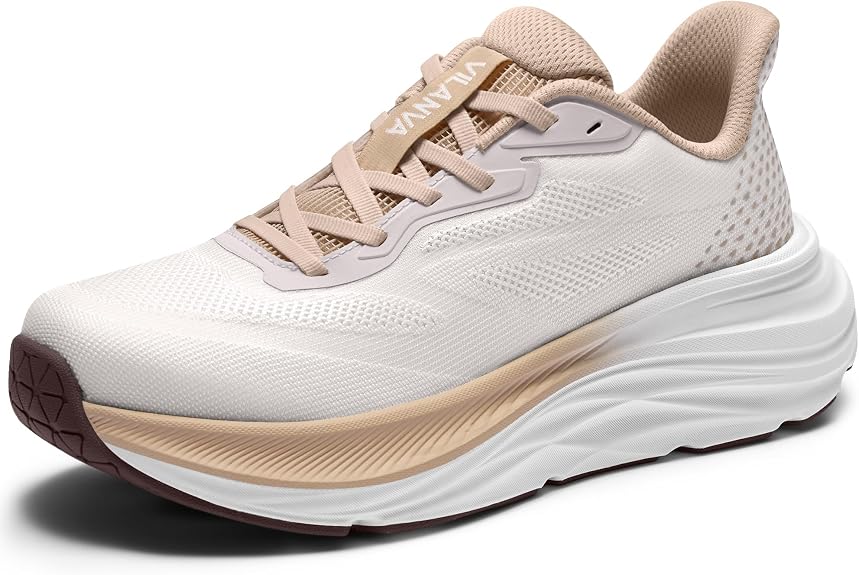
Vilanva Women's Walking Shoes – Cushioned Lightweight Running Sneakers with Slip-Resistant Sole, Breathable Woven Upper for Everyday Wear & Workouts
$35.09 $53.99
67% OFF
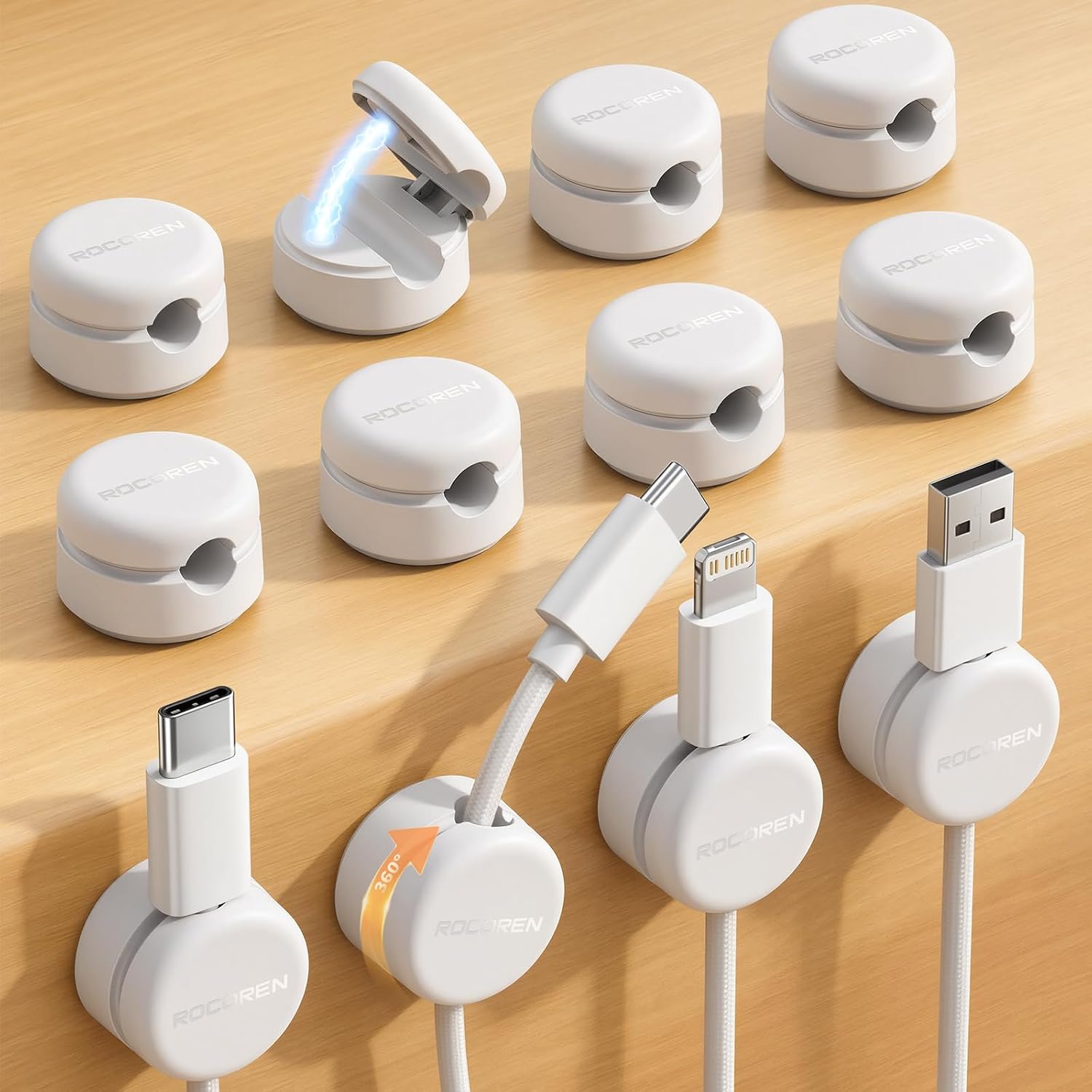
Rocoren 12-Pack Magnetic Cable Clips – 360° Rotating Cord Organizer with No-Residue Adhesive, Cord Holder for Desk, Nightstand, Wall, Car & Office, White
$6.5 $19.99
60% OFF
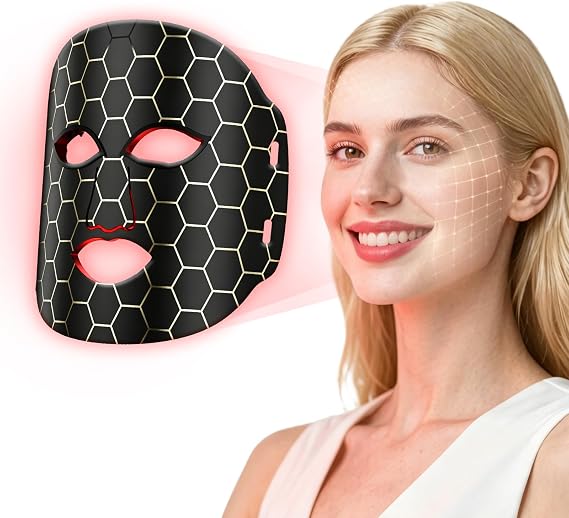
Red Light Therapy Mask for Face – 7-Color LED Silicone Facial Mask, Cordless Rechargeable Skincare Device with 240 LEDs for Home & Travel
$39.99 $99.99
77% OFF
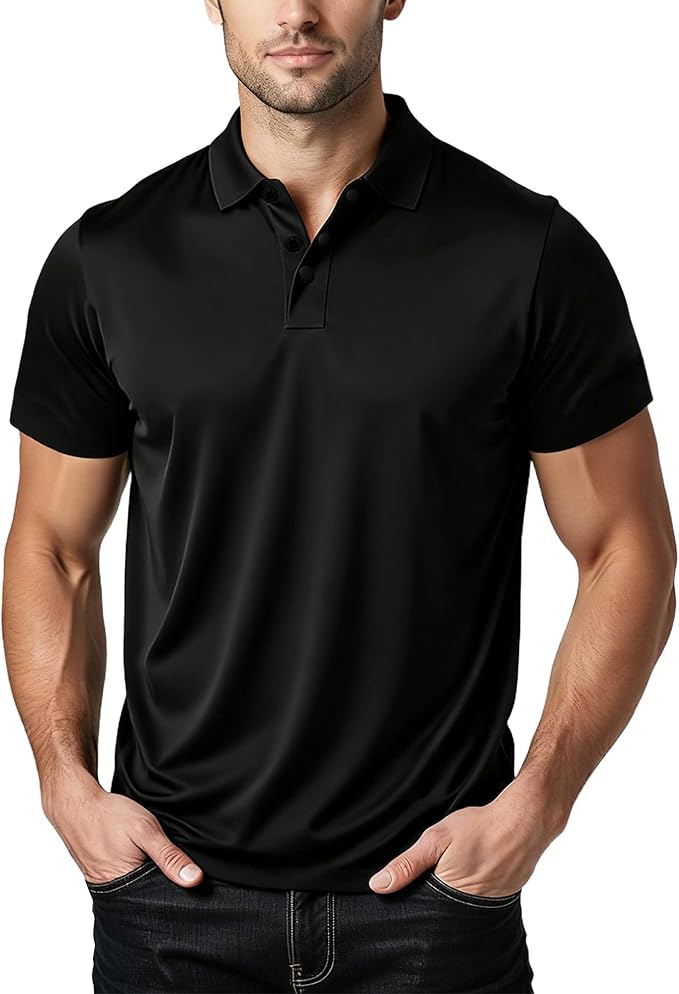
Men's Slim Fit Polo Shirt – Quick Dry Moisture Wicking, High Elasticity, Athletic Fit Polo for Golf, Tennis, Work & Casual Wear (Runs Small, Size Up)
$6.99 $29.99
28% OFF
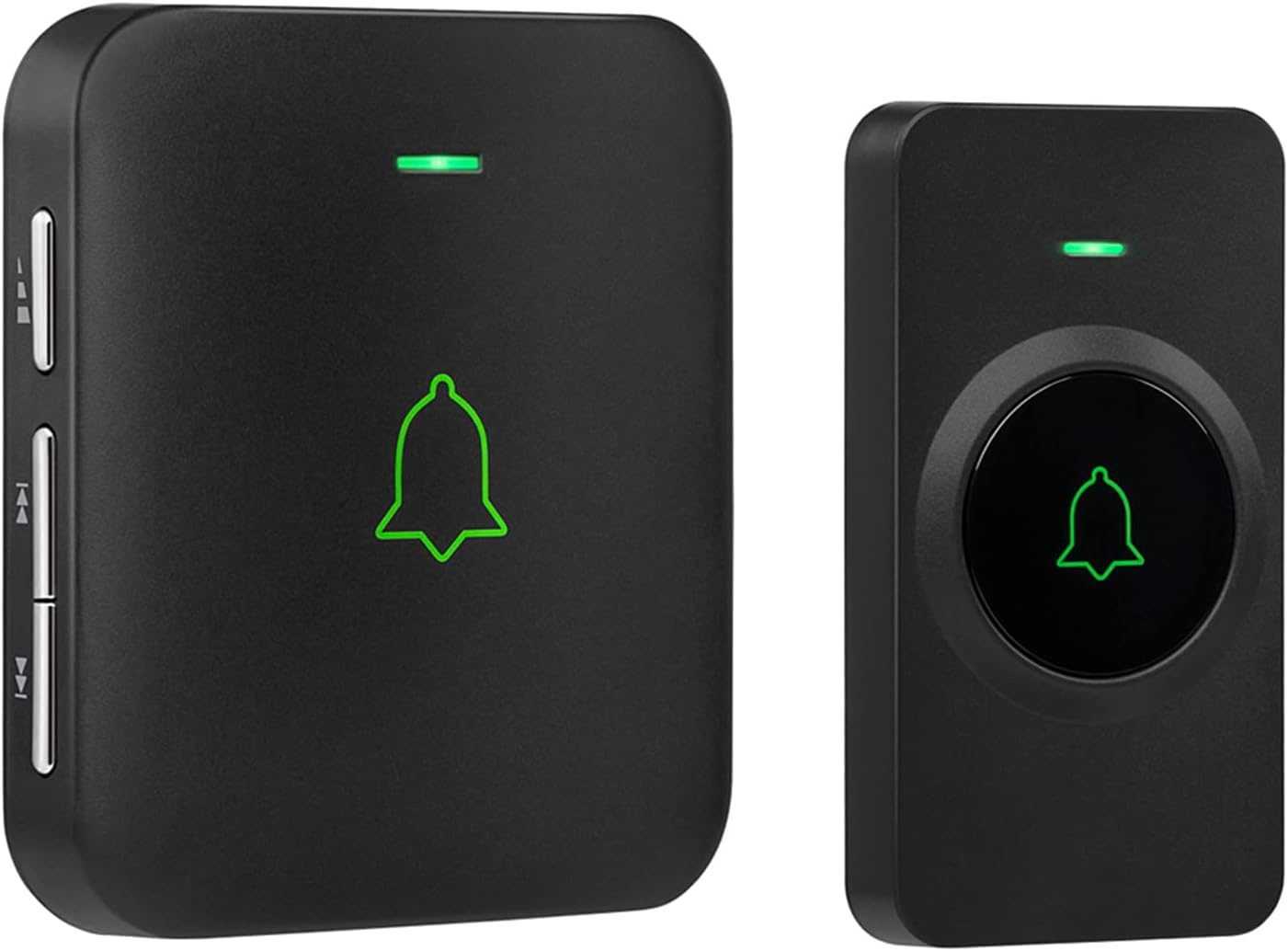
AVANTEK Wireless Doorbell CB-11 – 1000 ft Range, 1 Button + 1 Plug-In Receiver, 115 dB Volume, LED Flash, 52 Chimes, Waterproof, 3-Year Battery
$12.91 $17.99
50% OFF
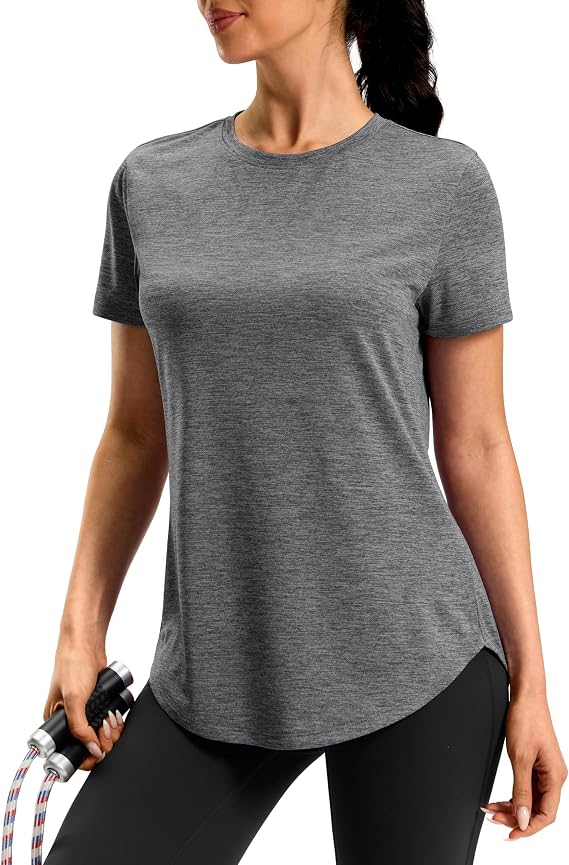
Women's Workout Shirts – Bum-Covering Length Short Sleeve Dry Fit Tops, Lightweight & Breathable for Athletic, Hiking, Running & Summer Wear
$6.99 $13.99
50% OFF
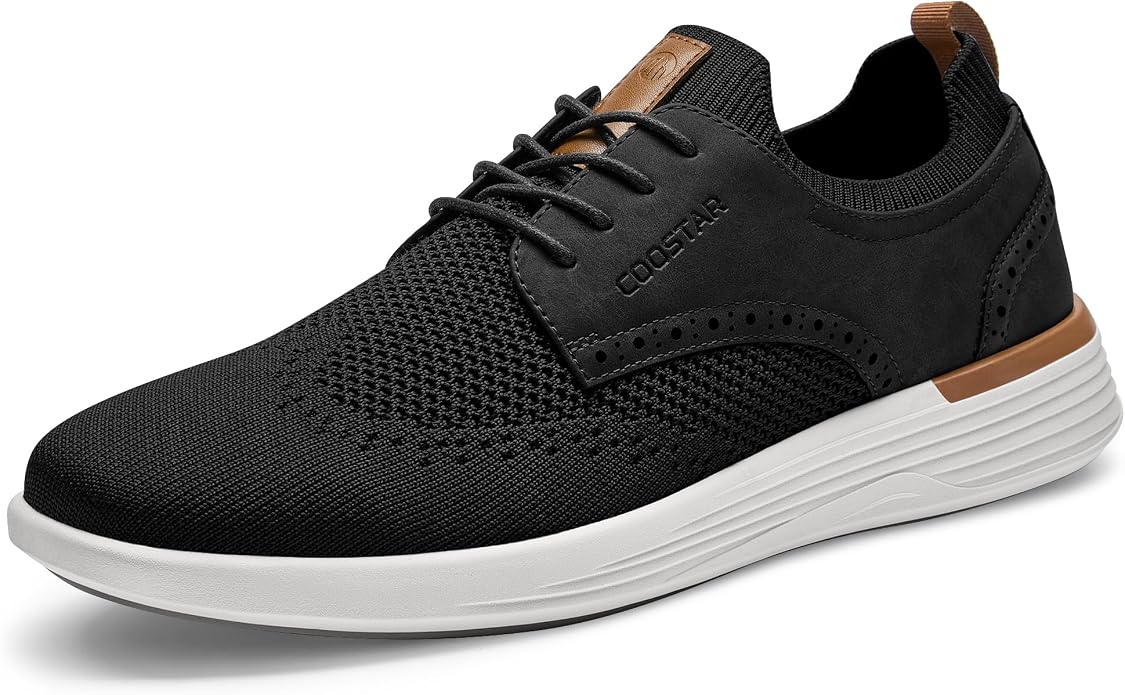
Coostar Men's Casual Dress Sneakers – Lightweight Wingtip Oxford Style with Breathable Knit Upper, Rubber Sole & Slip-On Elastic Collar, Business & Walking Shoe
$22.49 $44.99
45% OFF
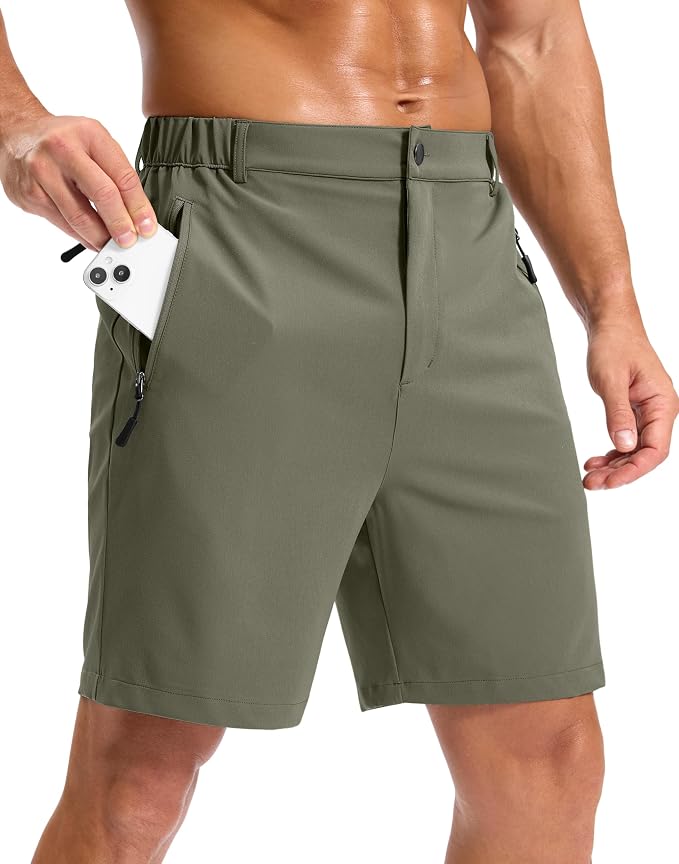
Pudolla Men's Quick Dry Hiking and Golf Shorts with 3 Zipper Pockets
$14.84 $26.99
50% OFF
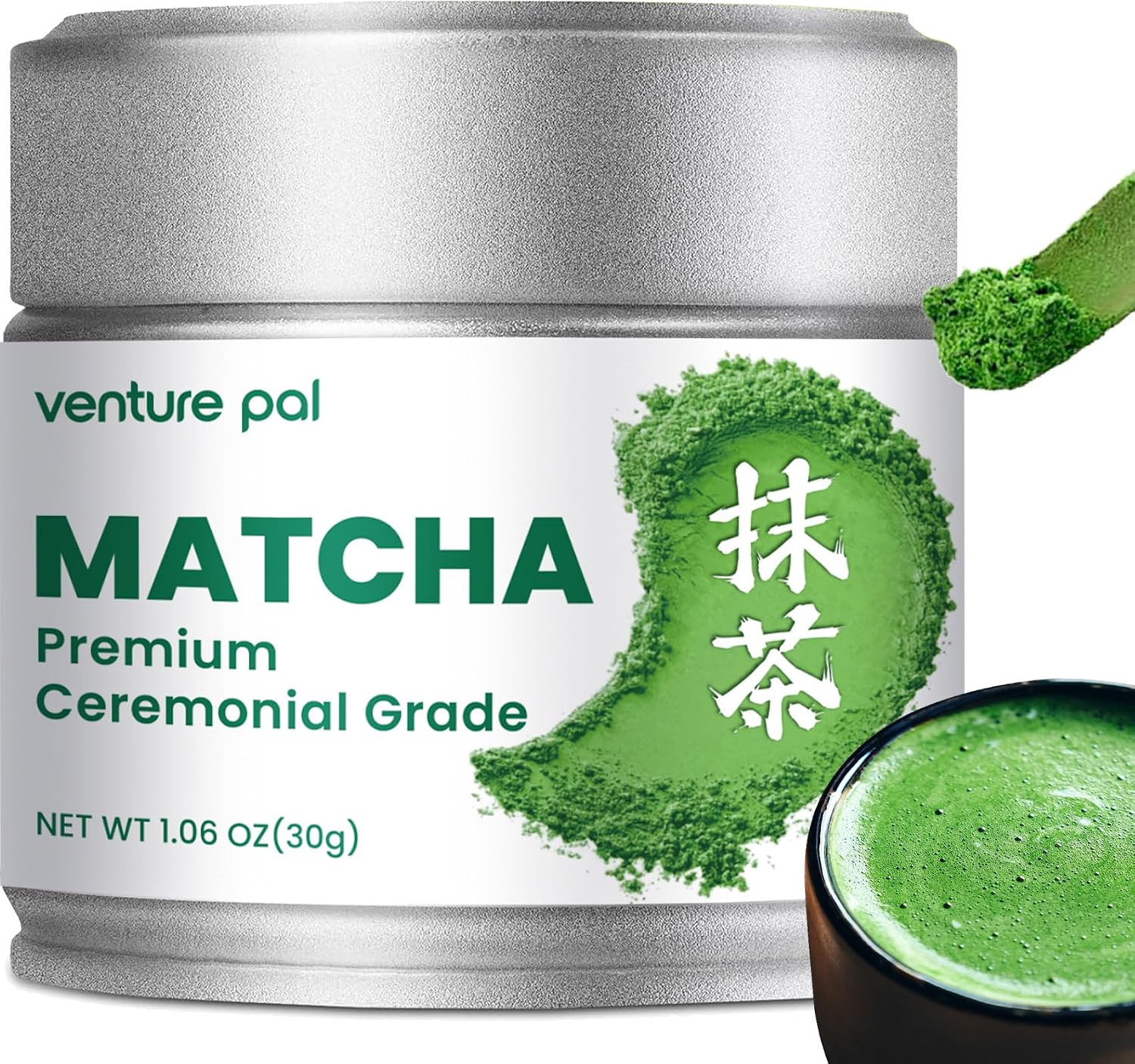
Venture Pal Ceremonial Grade Matcha Green Tea Powder – First Harvest, Shade Grown, 100% Pure with No Additives, Unsweetened, Vegan & Gluten-Free, 30g Tin
$7.5 $14.99
40% OFF
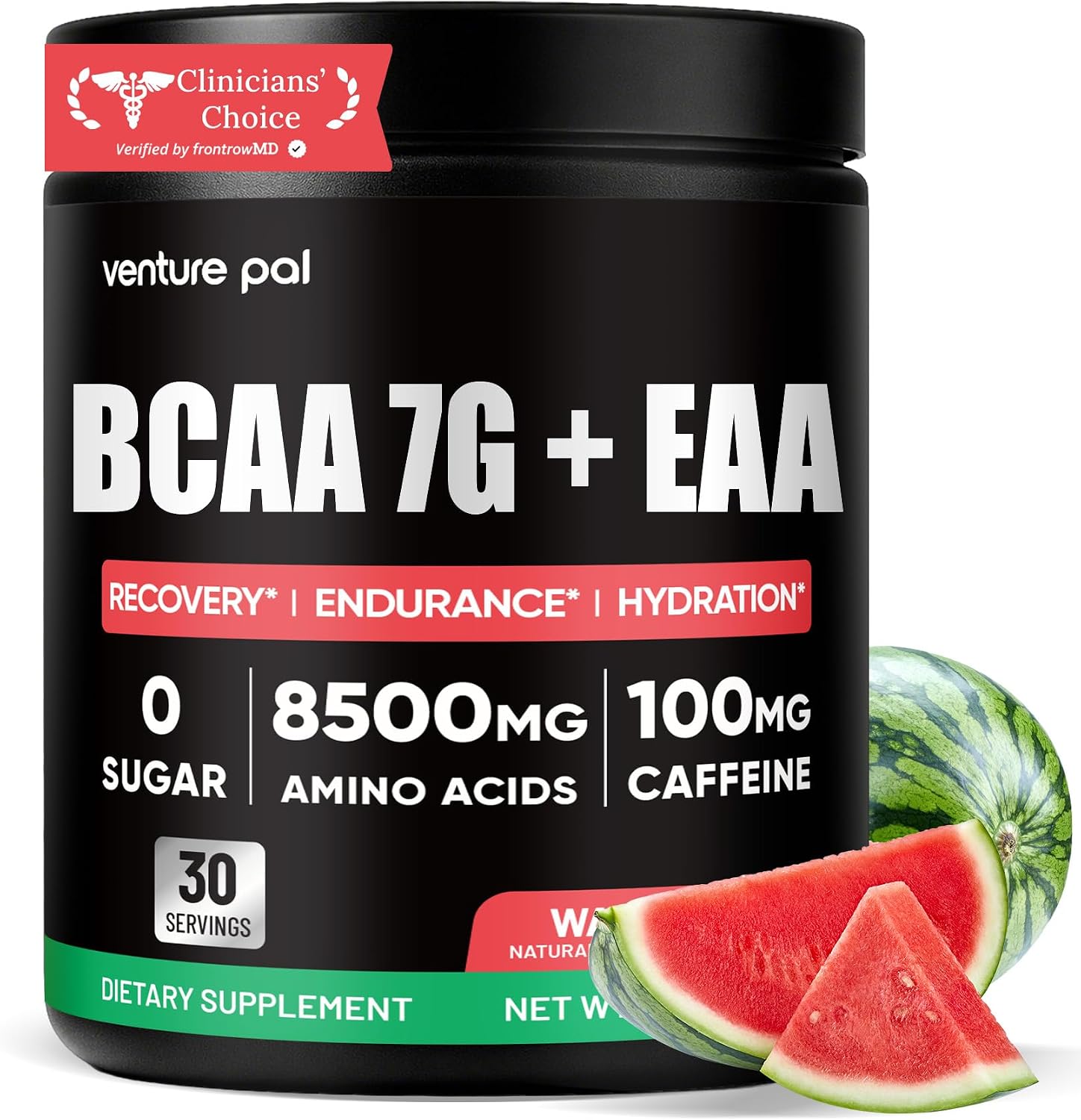
Venture Pal Sugar Free 7g BCAA + EAA Powder – 9 Essential Amino Acids with L-Glutamine, Caffeine, Electrolytes & Vitamins for Muscle Recovery, Growth & Hydration
$14.99 $24.99
30% OFF
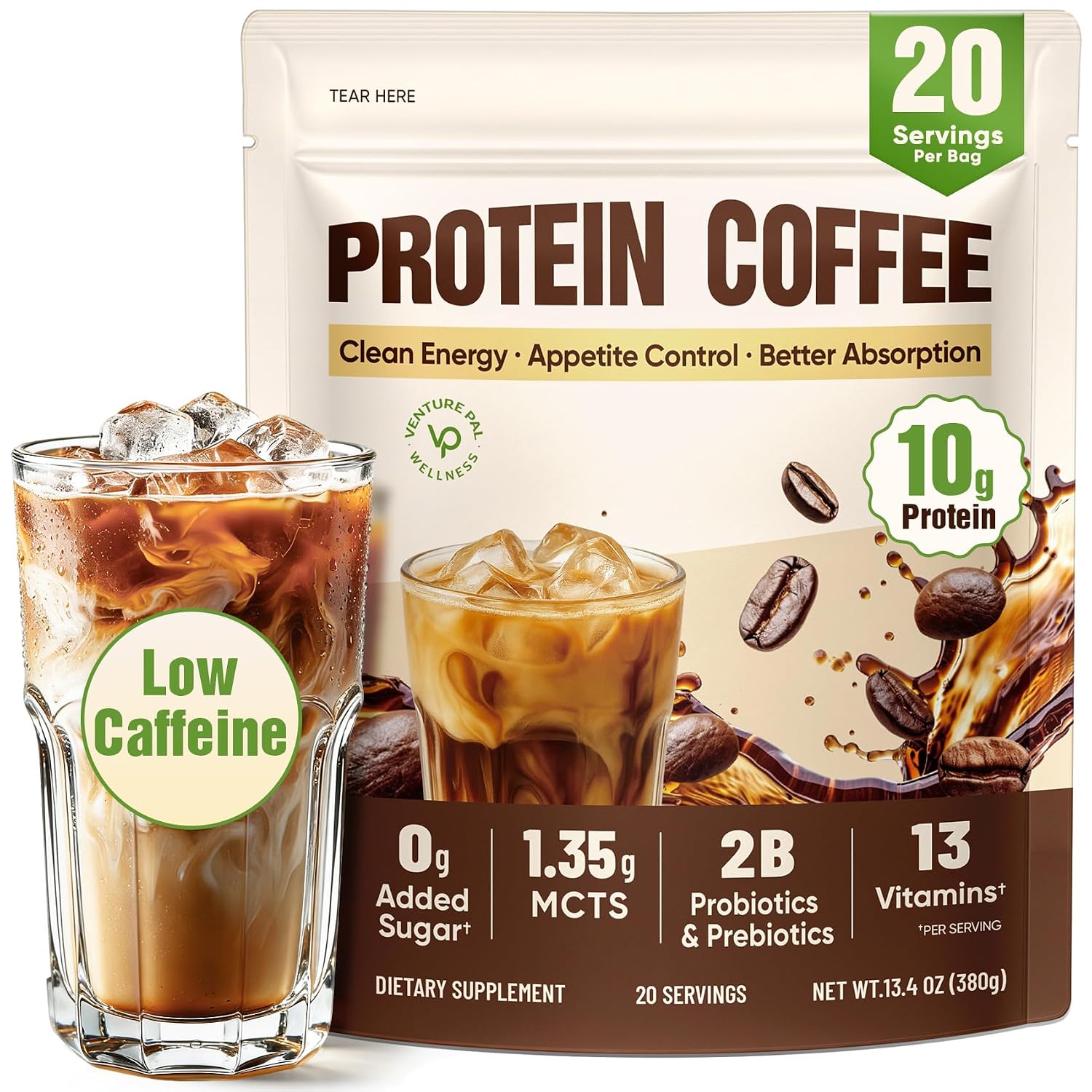
Venture Pal Sugar Free Protein Coffee – Cold Brew Mocha Instant Iced Coffee with MCT Oil, Probiotics, Fiber & 13 Vitamins, 70mg Caffeine, Keto & Gluten-Free, 20 Servings
$13.29 $18.99
20% OFF
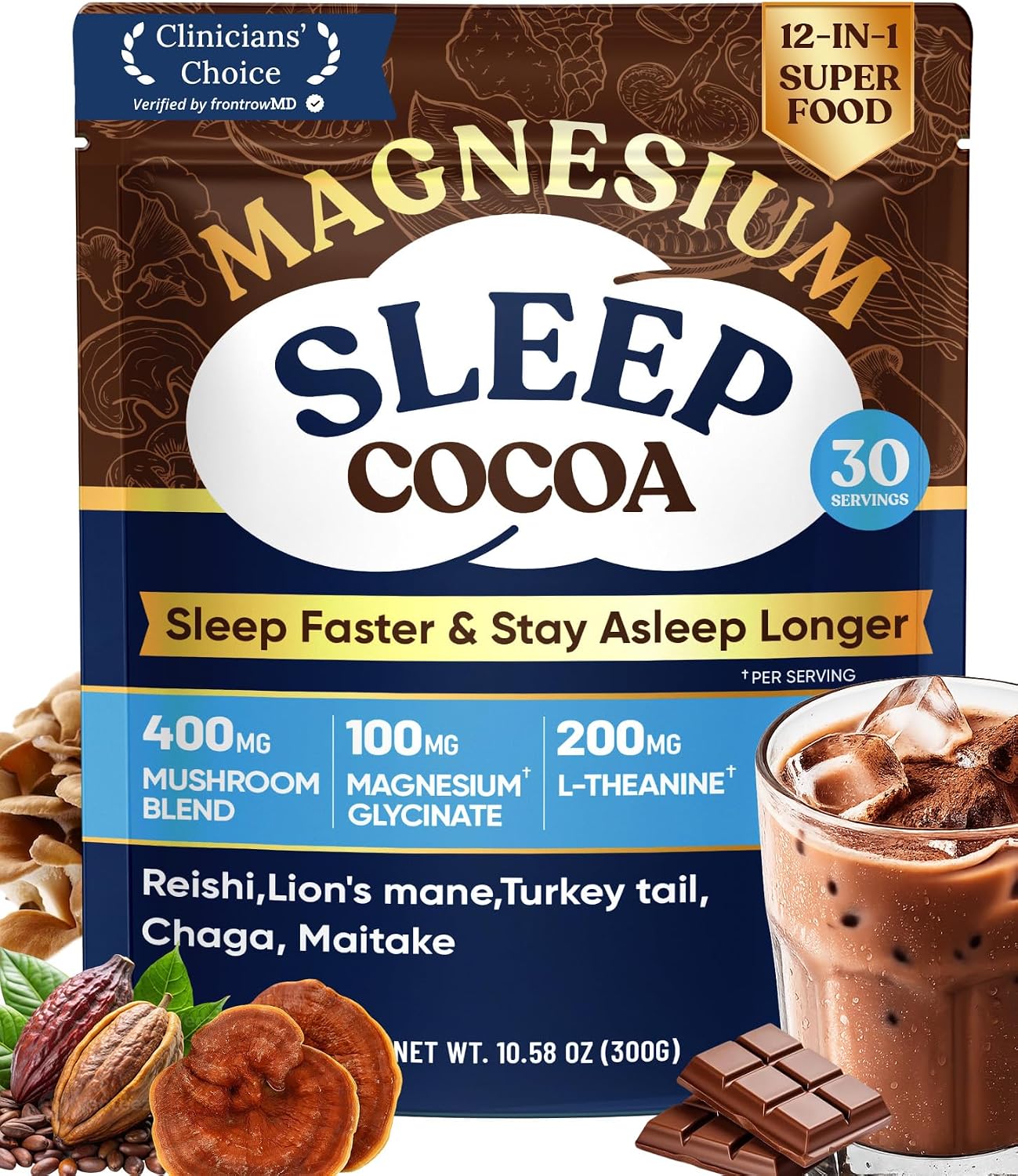
Venture Pal Mushroom Hot Cocoa – Natural Sleep Aid with 12 Superfoods, Melatonin 3mg, Magnesium Glycinate, L-Theanine, Glycine, Lion's Mane, Reishi & Turkey Tail, Bedtime Cocoa Mix, 30 Servings
$23.99 $29.99
24% OFF
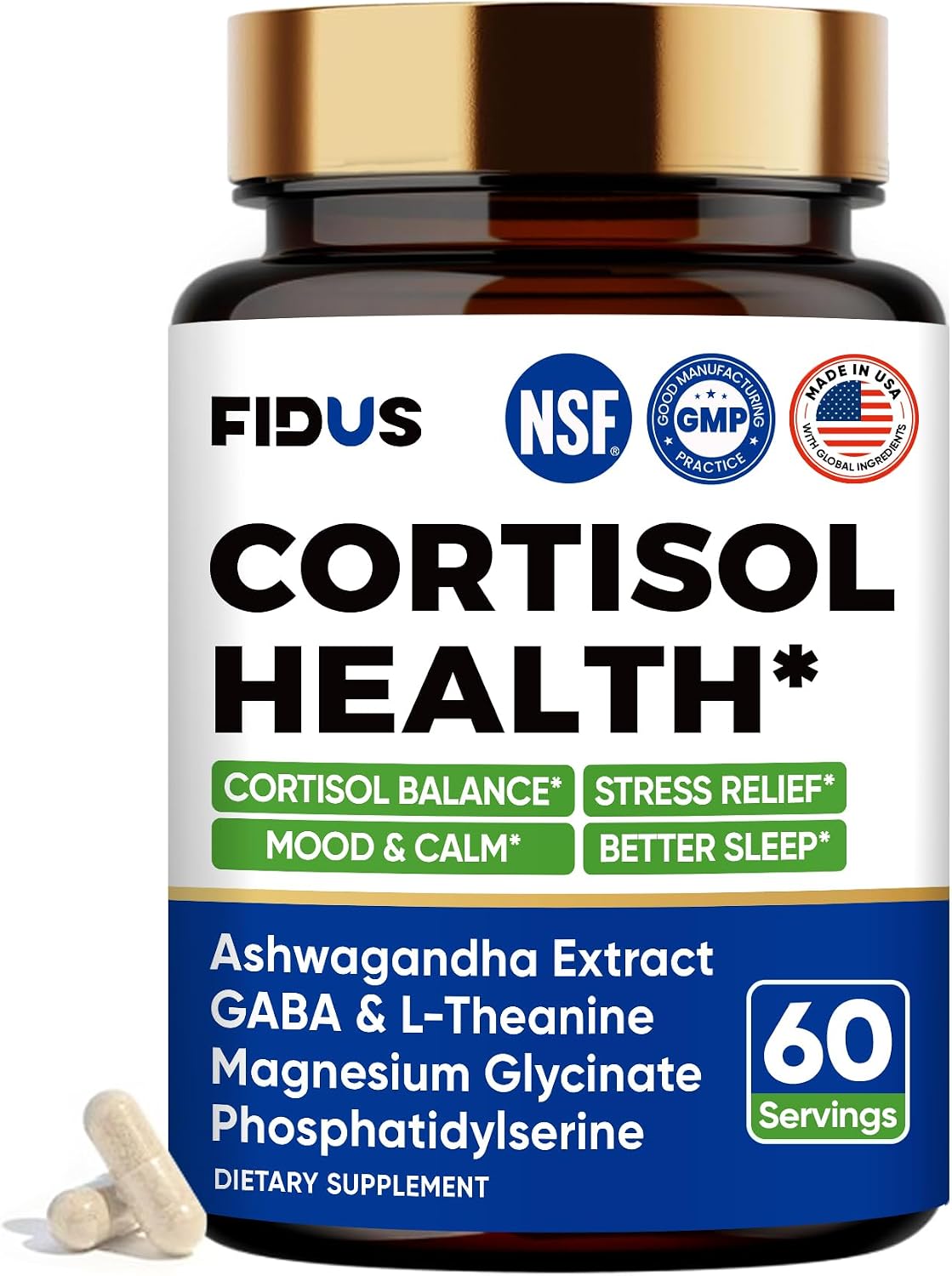
Cortisol Supplement for Women & Men with Ashwagandha & GABA – Magnesium, L-Theanine & Rhodiola, Stress Support for Sleep, Mood & Focus, 60-Day Supply, Made in USA
$15.29 $19.99
50% OFF
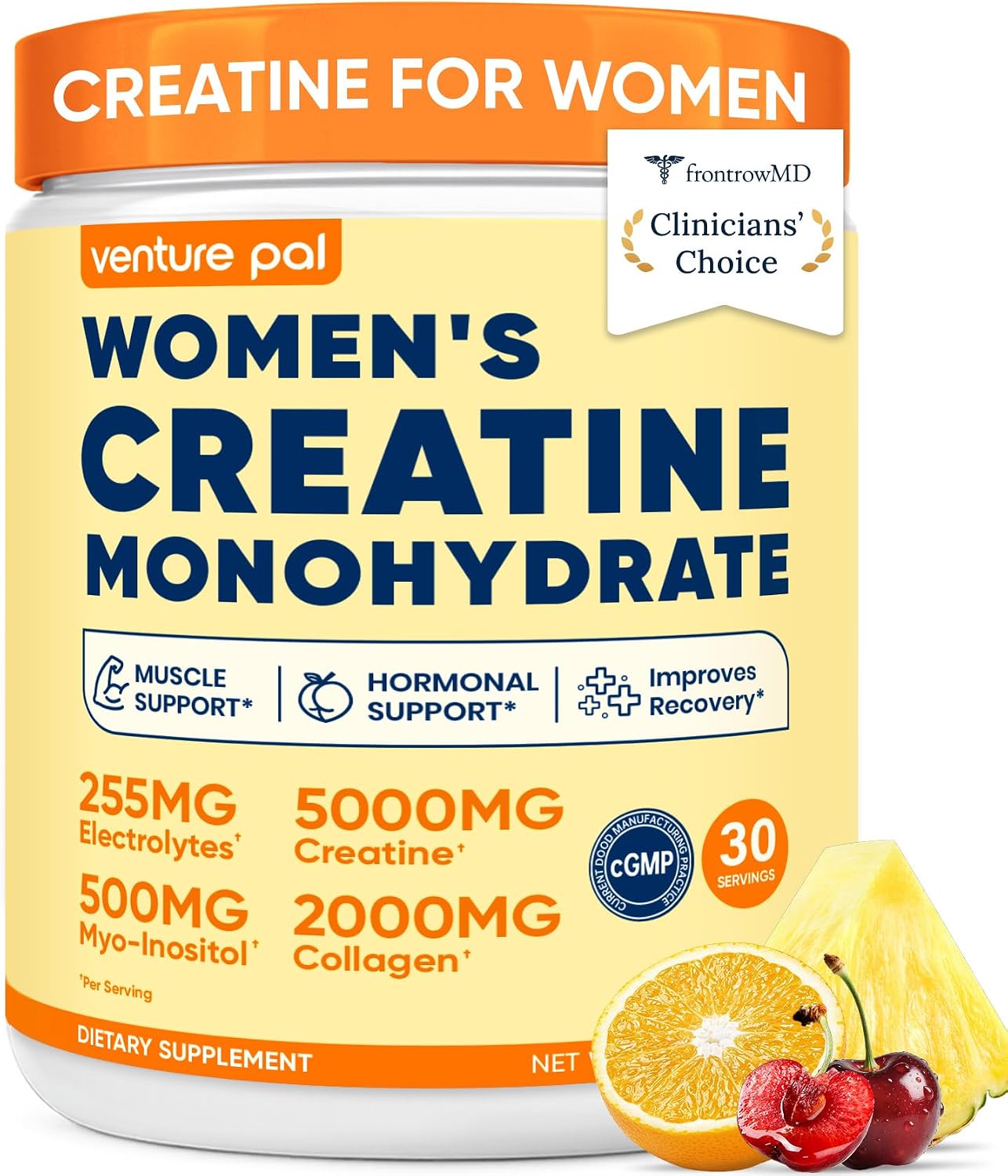
Venture Pal 18-in-1 Creatine for Women – Creatine Monohydrate with Collagen, Myo & D-Chiro Inositol, Electrolytes & Vitamins for Strength, Recovery & Skin Support, Sugar Free, 10.58 oz
$14.99 $29.99
32% OFF
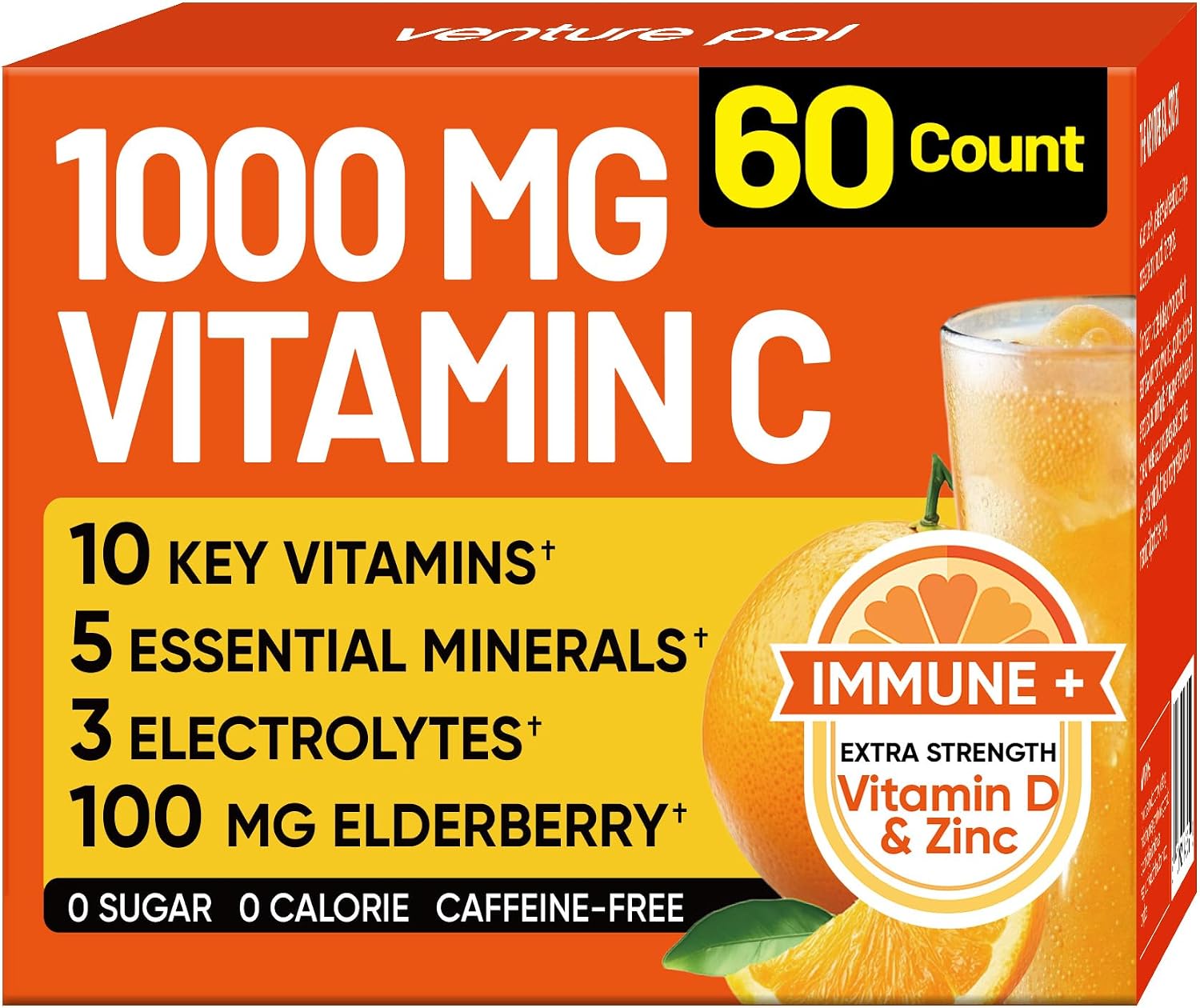
Venture Pal 1000mg Vitamin C Powder with Zinc & Elderberry – Sugar Free B Complex, 10 Vitamins, Minerals & Electrolytes, Daily Immune & Energy Support Packets, 60 Count
$13.59 $19.99
20% OFF
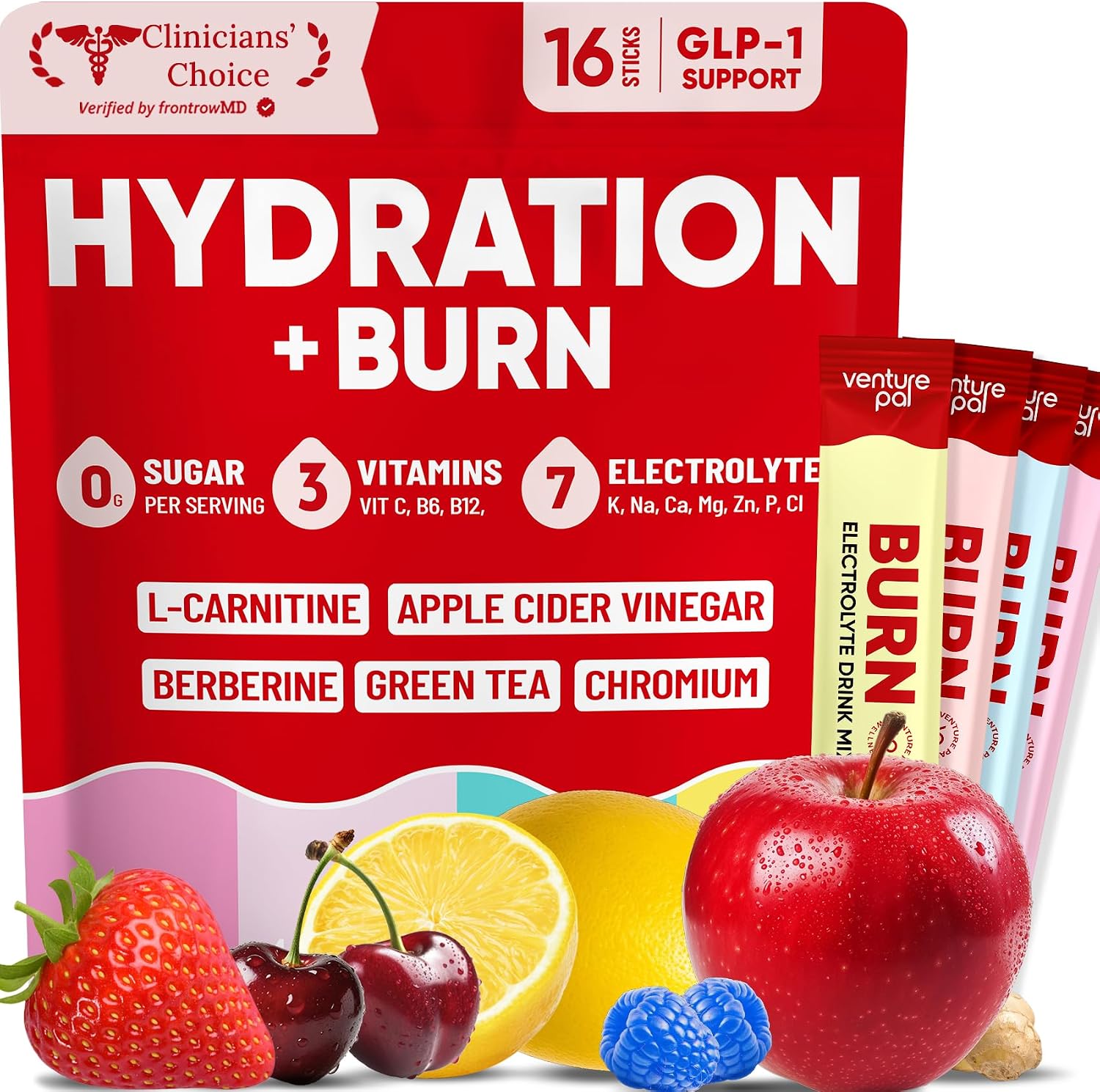
Venture Pal Burn Electrolyte Packets – Sugar Free Hydration with 7 Electrolytes, L-Carnitine, Berberine, ACV & Chromium, Metabolic & Satiety Support, Keto & Vegan, 16 Sticks
$15.99 $19.99
17% OFF
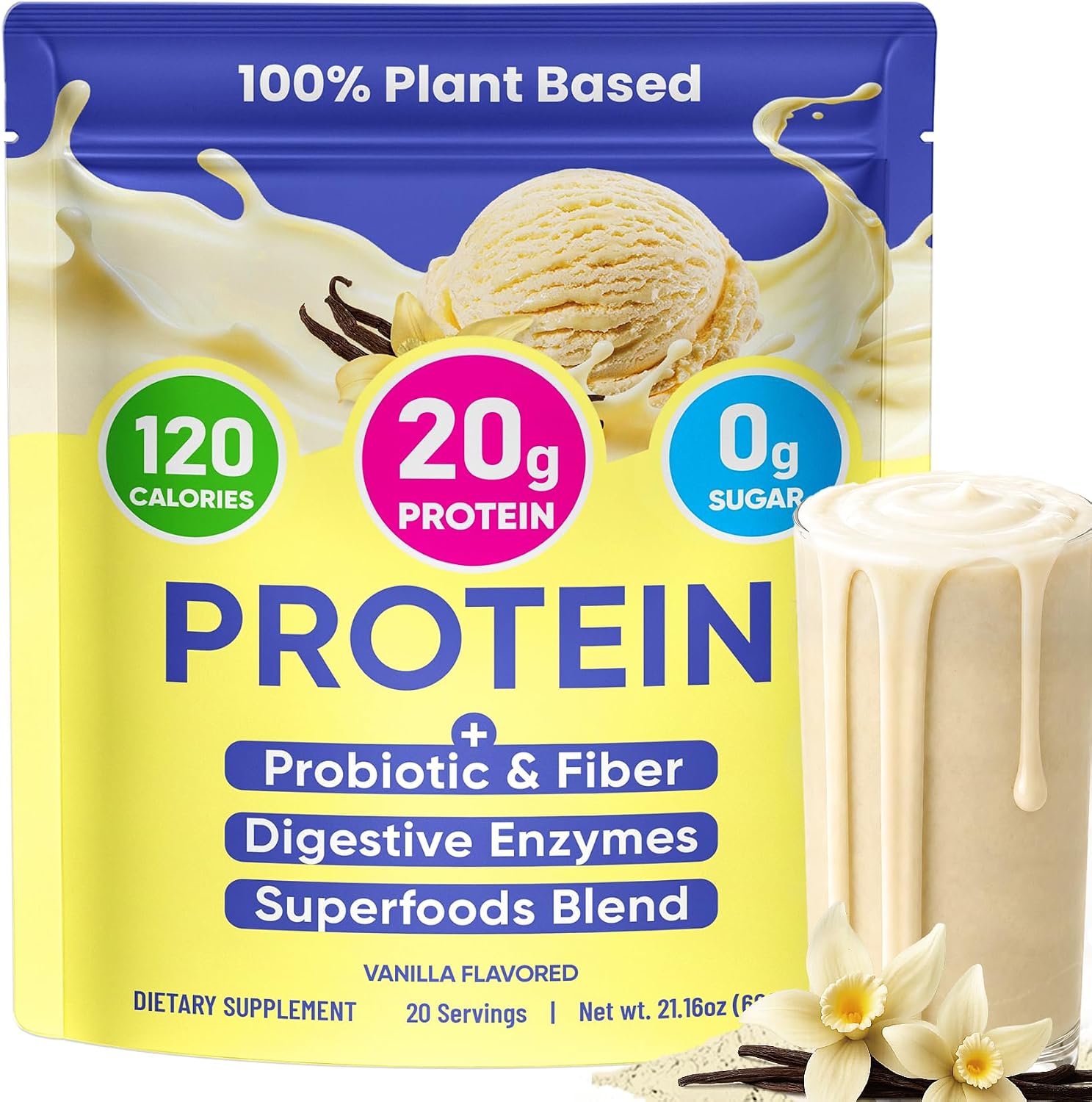
Venture Pal Vegan Protein Powder – 20g Plant Protein with 9B CFU Probiotics, Fiber, Digestive Enzymes & Superfoods, Vanilla, Low Sodium, Keto-Friendly, Gluten & Dairy Free, Non-GMO, 20 Servings
$21.59 $25.99
28% OFF
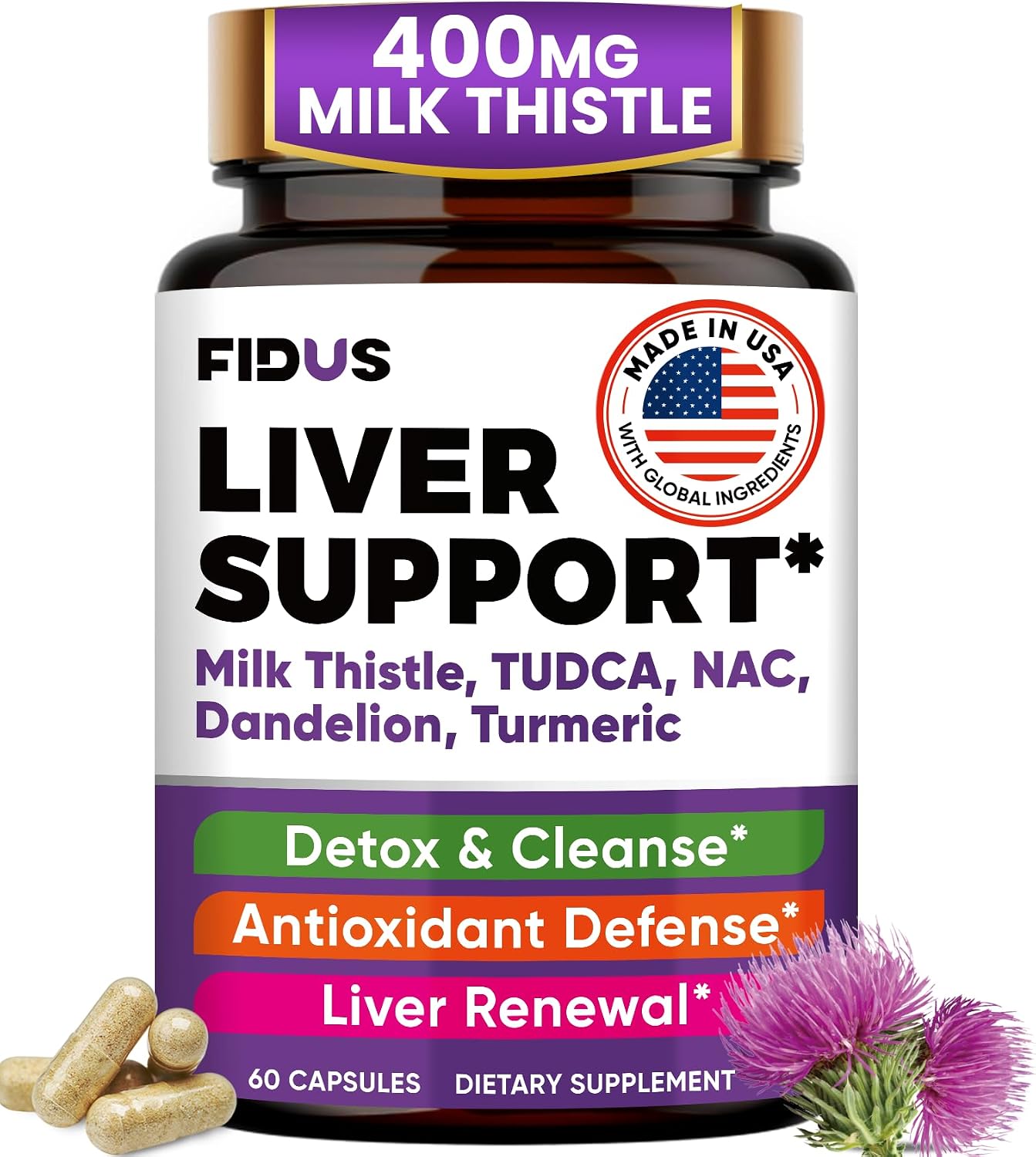
Fidus Liver Cleanse & Repair Supplement – 400mg Milk Thistle (80% Silymarin) with TUDCA, NAC, Turmeric, Artichoke & Dandelion – Liver Support & Digestive Health, 60 Capsules, Made in USA
$14.39 $19.99
50% OFF
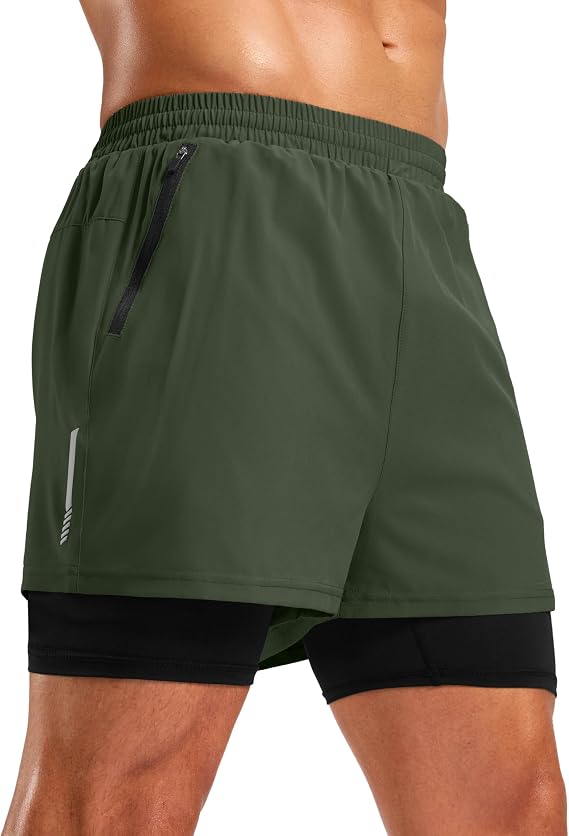
Pudolla Men's 7" Running Shorts with Zipper Pockets – Quick Dry 2-in-1 Workout Gym Shorts with Compression Liner for Tennis, Yoga & Training
$11.99 $23.99
27% OFF
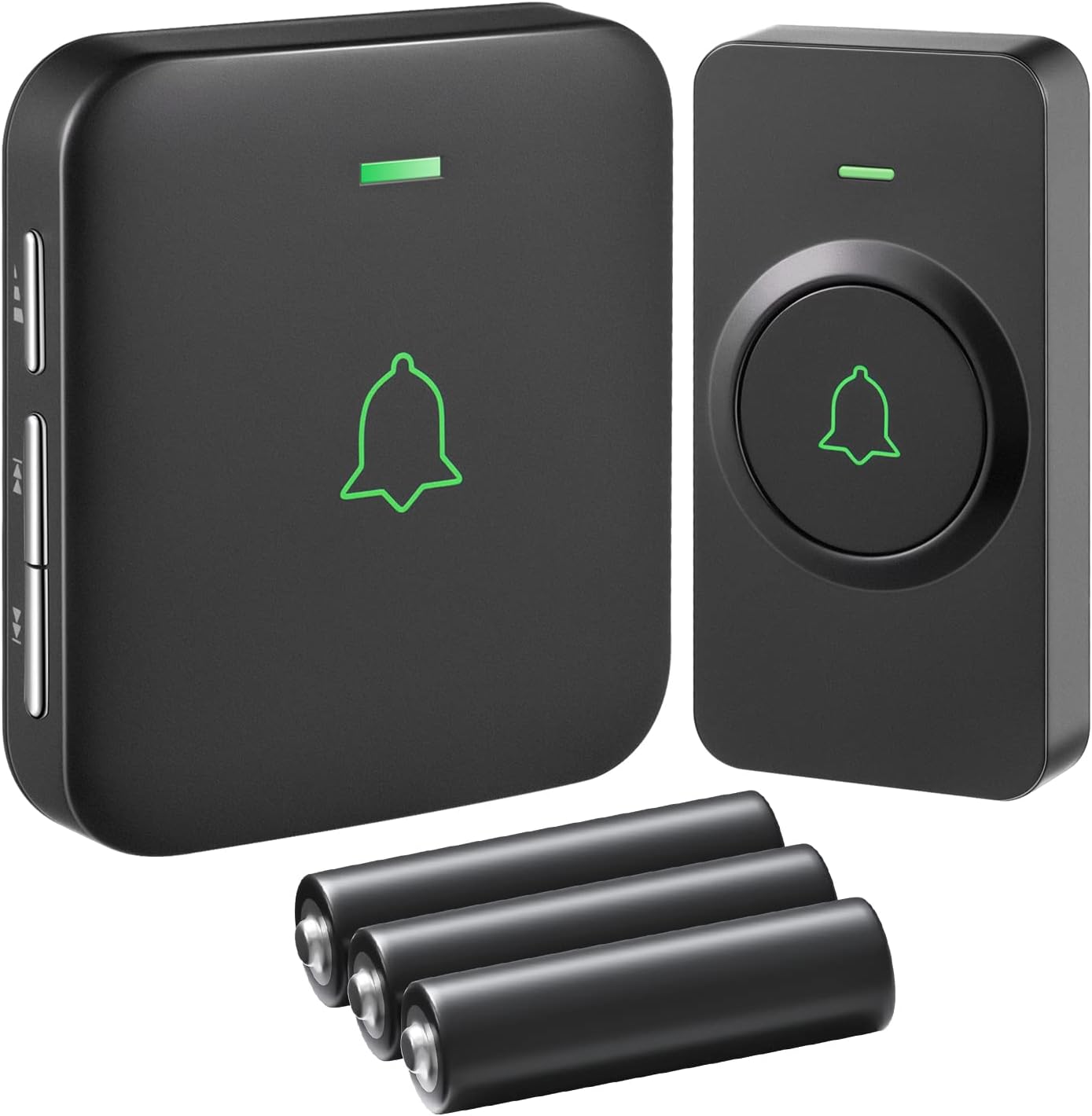
AVANTEK BA-11 Wireless Doorbell Kit (Battery-Powered Receiver, 1000 ft Range)
$13.83 $18.99




-

Canadian family claim Christian grandmother was euthanised against her wishes
-

Why the Church needs to talk about what we wear
-

Family of Christian woman killed in Greece remember her 'kindness' and 'integrity'
-

Requiem Mass held for Ann Widdecombe at Buckfast Abbey
-

Over 1,500 queue up for prayer and worship in London despite heatwave
-

Bethel pausing sale of The Passion Translation amid backlash
Most Popular
News

Welsh Christians launch the Gospels in Pembrokeshire dialect
A translation of the four Gospels into the Welsh dialect spoken in north Pembrokeshire has been launched at one of Wales’ largest cultural events. This is the story …
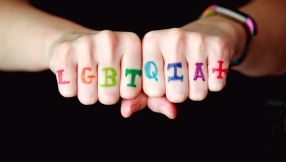
Scottish helpline for conversion therapy victims received just over one call per month
There were four calls in three months, possibly from the same person.

Bishop calls on Andy Burnham to help free Jimmy Lai
Jimmy Lai turned to Christ during the uncertain period following the handover of Hong Kong to China.

Are churches missing out in the bitcoin boom?
Earlier this summer, a church on England’s south coast made headlines, when it declared it was going to accept bitcoin as donations.
Vilanva Women's Walking Shoes – Cushioned Lightweight Running Sneakers with Slip-Resistant Sole, Breathable Woven Upper for Everyday Wear & Workouts
$35.09
Rocoren 12-Pack Magnetic Cable Clips – 360° Rotating Cord Organizer with No-Residue Adhesive, Cord Holder for Desk, Nightstand, Wall, Car & Office, White
$6.5
Red Light Therapy Mask for Face – 7-Color LED Silicone Facial Mask, Cordless Rechargeable Skincare Device with 240 LEDs for Home & Travel
$39.99
Men's Slim Fit Polo Shirt – Quick Dry Moisture Wicking, High Elasticity, Athletic Fit Polo for Golf, Tennis, Work & Casual Wear (Runs Small, Size Up)
$6.99
AVANTEK Wireless Doorbell CB-11 – 1000 ft Range, 1 Button + 1 Plug-In Receiver, 115 dB Volume, LED Flash, 52 Chimes, Waterproof, 3-Year Battery
$12.91
Women's Workout Shirts – Bum-Covering Length Short Sleeve Dry Fit Tops, Lightweight & Breathable for Athletic, Hiking, Running & Summer Wear
$6.99
Coostar Men's Casual Dress Sneakers – Lightweight Wingtip Oxford Style with Breathable Knit Upper, Rubber Sole & Slip-On Elastic Collar, Business & Walking Shoe
$22.49
Pudolla Men's Quick Dry Hiking and Golf Shorts with 3 Zipper Pockets
$14.84
Venture Pal Ceremonial Grade Matcha Green Tea Powder – First Harvest, Shade Grown, 100% Pure with No Additives, Unsweetened, Vegan & Gluten-Free, 30g Tin
$7.5
Venture Pal Sugar Free 7g BCAA + EAA Powder – 9 Essential Amino Acids with L-Glutamine, Caffeine, Electrolytes & Vitamins for Muscle Recovery, Growth & Hydration
$14.99
Venture Pal Sugar Free Protein Coffee – Cold Brew Mocha Instant Iced Coffee with MCT Oil, Probiotics, Fiber & 13 Vitamins, 70mg Caffeine, Keto & Gluten-Free, 20 Servings
$13.29
Venture Pal Mushroom Hot Cocoa – Natural Sleep Aid with 12 Superfoods, Melatonin 3mg, Magnesium Glycinate, L-Theanine, Glycine, Lion's Mane, Reishi & Turkey Tail, Bedtime Cocoa Mix, 30 Servings
$23.99
Cortisol Supplement for Women & Men with Ashwagandha & GABA – Magnesium, L-Theanine & Rhodiola, Stress Support for Sleep, Mood & Focus, 60-Day Supply, Made in USA
$15.29
Venture Pal 18-in-1 Creatine for Women – Creatine Monohydrate with Collagen, Myo & D-Chiro Inositol, Electrolytes & Vitamins for Strength, Recovery & Skin Support, Sugar Free, 10.58 oz
$14.99
Venture Pal 1000mg Vitamin C Powder with Zinc & Elderberry – Sugar Free B Complex, 10 Vitamins, Minerals & Electrolytes, Daily Immune & Energy Support Packets, 60 Count
$13.59
Venture Pal Burn Electrolyte Packets – Sugar Free Hydration with 7 Electrolytes, L-Carnitine, Berberine, ACV & Chromium, Metabolic & Satiety Support, Keto & Vegan, 16 Sticks
$15.99
Venture Pal Vegan Protein Powder – 20g Plant Protein with 9B CFU Probiotics, Fiber, Digestive Enzymes & Superfoods, Vanilla, Low Sodium, Keto-Friendly, Gluten & Dairy Free, Non-GMO, 20 Servings
$21.59
Fidus Liver Cleanse & Repair Supplement – 400mg Milk Thistle (80% Silymarin) with TUDCA, NAC, Turmeric, Artichoke & Dandelion – Liver Support & Digestive Health, 60 Capsules, Made in USA
$14.39
Pudolla Men's 7" Running Shorts with Zipper Pockets – Quick Dry 2-in-1 Workout Gym Shorts with Compression Liner for Tennis, Yoga & Training
$11.99
AVANTEK BA-11 Wireless Doorbell Kit (Battery-Powered Receiver, 1000 ft Range)
$13.83