The Church of England has condemned the BBC for failing in its public service broadcasting duties by closing its in-house religion and ethics television production department.
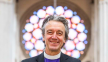
Graham James, the Bishop of Norwich who comments for the Church on media affairs, said: 'It is a failure of the BBC as a public service broadcaster.'
He spoke out after the Sunday Times revealed that the director of factual production at BBC Studios, Lisa Opie, warned staff in a leaked email the recent loss of the contract to produce Songs of Praise 'means we will no longer have a permanent religion and ethics department in Salford'.
Bishop James said this was a 'strange' decision, given the BBC's pledge to the watchdog Ofcom that it would boost religious programming.
A church of England spokesperson told Christian Today: 'In November of this year [BBC Director General] Tony Hall announced a review of religious programming at the BBC saying his decision signalled that the BBC was taking 'one of the big issues of our times' seriously.
'Taking it seriously – it turns out – means closing down the religion and ethics department in Salford before the review has even completed its work.
'If this is what happens when the Director General of the BBC decides to take something seriously God help those other departments he is trying to reassure.'
The BBC refused to say how many staff it now has in religion and ethics or how many might be lost following the changes.
A BBC spokesperson told Premier: 'BBC Studios will continue to have a religion and ethics team, as part of its Pacific Quay Productions unit, making and producing top quality religious and ethics programming and we also have a wealth of religious broadcasting expertise within news, radio and the World Service.
'It is a requirement of the new Charter that we commercially contest long running programmes. It's not something we can simply decide not to do.
'However, Songs of Praise remains firmly at the heart of our schedule, and in the coming days we'll announce exciting new commissions for Easter.
'While we already do more than any other broadcaster, we've been clear that we want to do even more for all faiths, including Christianity. That's why we have already announced a review some months back into how we can deliver even more.
'Ofcom's draft operating licence, which we welcomed, is consulting on more hours of religious programming and has nothing to do with who makes the programmes.'
In February, Christian Today revealed a row over the BBC Radio 4 Today programme's religious slot, Thought for the Day, after the programme's incoming editor, Sarah Sands, singled it out for potential changes.
A BBC Radio 4 spokesperson told Christian Today: 'Thought for the Day is editorially looked after by the BBC's Religion and Ethics team in radio and features speakers from the world's major faith traditions. There are no plans to make changes to it.'