
Bishop Dr Wolfgang Huber, the chair of the Evangelical Church in Germany (EKD) expressed his “support and solidarity” for the World Council of Churches (WCC) during his visit to Geneva from 22nd to 24th September 2004. The bishop’s visit took place as a return visit for the trip made by the WCC’s general secretary, Samuel Kobia to Germany in July.
“I am happy to hear that the Orthodox members of the WCC are accepting the recommendations of the Special Commission. We will try to live with those recommendations even in the areas where we have some difficulties,” said Huber, referring to the Orthodox participation in the WCC.
Huber also said that he hoped that the membership of the Council, and its worship and particularly its spiritual life would “remain relevant”.
Huber shared “new structures” of the EKD that allows it to be financially stable. The EKD “has been able to address financial difficulties with new structures, and has reached some stability," which would help it to "focus on its important programmatic issues".
He added, "The WCC is now in a better position to negotiate from a solid financial basis with funding partners and specialised ministries".
Recently it was discussed that the Lutheran World Federation and the World Alliance of Reformed Churches that the two multi-million member groups may decide to hold their next general assemblies together. This has made Huber stand up and notice the need for stronger ecumenical ties. Particularly, Huber commented that there was a need for ecumenical relationships in the light of the present human rights and refugee crises.
The movements of the ecumenical bodies “to certain extent different from those of other non-governmental organisations,” said Huber. Christians all over the world "pray every Sunday for those whose human rights are violated, and express their solidarity through their intercessions". Churches are very close to the "grassroots", and should take advantage of their favoured situation to "deepen and improve" their commitment, he said.
Kobia agreed with Huber, saying that “further cooperation between WCC and EKD is very important, particularly in light of the worldwide responsibility of the ecumenical fellowship for justice and peace.”
Huber, a member of the WCC Executive Committee who first visited the WCC in 1969, concluded by saying that "More than half of my life has been related to the WCC" and that the experience has been "very formative for my personal life and my ecumenical journey."




-

Edinburgh University ends divinity programmes as theology faces a changing future
-

Why the Archbishop of Canterbury’s award controversy matters
-

More than one in four US Protestant churchgoers believe some biblical truths become outdated
-

Catholicism in France has 'collapsed'
-

Christian leaders issue ‘sober and urgent call’ for Western Church to prepare for disruption
-

Australia's anti-therapy laws harm the most vulnerable - Britain should not copy them
Most Popular
News

Active faith linked to happier marriages and lower divorce rates, study finds
People who regularly attend church are more likely to report happy marriages, according to a new report examining the relationship between faith and family life.
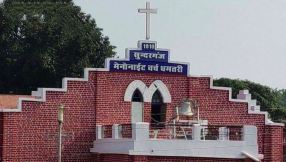
Indian churches fearing anti-conversion laws tell non-Christians: enter at your own risk
Churches in Dhamtari, a town in the central Indian state of Chhattisgarh, have put up notices warning non-Christians that they enter at their own risk, weeks after a law against religious conversion came into force in the state.

£1k bursaries to help churches develop youth and community mentoring programmes
Churches across the UK are being offered bursaries to help them establish mentoring programmes aimed at supporting young people and others in their communities.
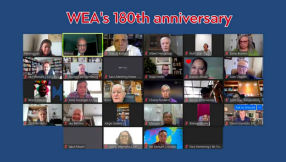
World Evangelical Alliance celebrates 180th anniversary
The World Evangelical Alliance (WEA) has held an online celebration to mark its 180th anniversary. Hundreds of people from more than 22 countries attended, and the event was rebroadcast to accommodate different time zones.








