
The general secretary for the World Council of Churches (WCC), Rev Samuel Kobia has put forward a number of issues for the Bolivian ecumenical agenda. The WCC representative suggested discussion on the following topics:
- Religion as a source of open dialogue,
- Coming to terms with a history of oppression, and
- How churches contribute to building a nation.
This was Kobia’s first ever visit to Bolivia, and consisted of a series of meetings in La Paz with many church and society representatives. He expressed that the spirituality felt in the Bolivian churches could contribute greatly to the western cosmo-vision.
Representatives from the Bolivian Ecumenical Commission (including WCC member churches in the country), the Evangelical Methodist Church in Bolivia (IEMB), and the Evangelical Lutheran Church in Bolivia (IELB) joined the discussions along with church representatives from Anglican, Methodist, Pentecostal and Roman Catholic denominations.
The IEMB bishop, Pastor Rolando Villena stated, “Our ecumenical identity is at stake in Bolivia.” The pastor was referring to a number of regional interests that have arisen over recent times and which threaten to divide the country.
Bolivia is a country where there is a stark contrast of living conditions to the western countries. In some sectors the population, members of society are forced to live on approximately 6pence a day. Villena outlined that the Ecumenical Commission’s objective was to “modestly contribute to a culture of dialogue,” and to integrate “Christian identity in the Bolivian identity in formation.”
Kobia was adamant that the issue of identity should form at least part of the Bolivian ecumenical agenda, and he called for identities to be open to dialogue and recognising of others, instead of being defensive and excluding identities.
He also suggested the themes of coming to terms with the past, and discussions on the way in which churches contribute to the nation.
The presiding bishop of the IEMB, Carlos Inti Pampa said, “the greatest challenge that Bolivian churches face is to proclaim an integral and inculturated Gospel, so that God is manifested in the concrete reality and the cultural context of the country.”
The WCC general secretary’s visit coincided with the All Saint’s Day Fest, which has traditionally been of enormous importance in the Bolivian society. Kobia participated in ceremonies in remembrance of the deceased and included some elements of indigenous spirituality.
Kobia said to the IELB, “In Africa we also have a great deal of respect for our ancestors. This respect makes us all part of the same family and roots us in the earth from which we come, it is what makes us a people.”
The position that churches play in the Bolivian society was one of the main themes of discussion during the visit.
Kobia and representatives from local churches gathered in the Legislative Palace to meet with senators and congress representatives. Many testimonies were put forward regarding the various roots of resistance to the neo-liberal economic model, and many expressed the willingness of the churches to contribute to the healing, reconciliation and forgiveness process.
Recognition was also given to the WCC member churches by Kobia and the local church leaders. The WCC churches were commended for their works in human rights issues during the dictatorship, and the need for mutual cooperation was emphasised during the current state of affairs.
On leaving Bolivia, Rev Samuel Kobia’s Latin America visit will continue to Brazil (Brasilia, Salvador, Porto Alegre), Argentina (Buenos Aires), Uruguay (Montevideo) and Chile (Santiago).




-

Edinburgh University ends divinity programmes as theology faces a changing future
-

Why the Archbishop of Canterbury’s award controversy matters
-

More than one in four US Protestant churchgoers believe some biblical truths become outdated
-

Catholicism in France has 'collapsed'
-

Christian leaders issue ‘sober and urgent call’ for Western Church to prepare for disruption
-

Australia's anti-therapy laws harm the most vulnerable - Britain should not copy them
Most Popular
News

Active faith linked to happier marriages and lower divorce rates, study finds
People who regularly attend church are more likely to report happy marriages, according to a new report examining the relationship between faith and family life.

Indian churches fearing anti-conversion laws tell non-Christians: enter at your own risk
Churches in Dhamtari, a town in the central Indian state of Chhattisgarh, have put up notices warning non-Christians that they enter at their own risk, weeks after a law against religious conversion came into force in the state.

£1k bursaries to help churches develop youth and community mentoring programmes
Churches across the UK are being offered bursaries to help them establish mentoring programmes aimed at supporting young people and others in their communities.
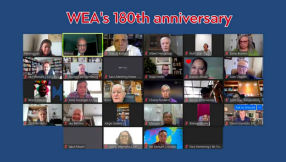
World Evangelical Alliance celebrates 180th anniversary
The World Evangelical Alliance (WEA) has held an online celebration to mark its 180th anniversary. Hundreds of people from more than 22 countries attended, and the event was rebroadcast to accommodate different time zones.








