
ADDIS ABABA - U.S. Secretary of State Condoleezza Rice on Wednesday received commitments from Africa's Great Lakes countries to stick to previous promises to end a conflict in eastern Congo which risks spilling across borders.
On her second trip to sub-Saharan African in two years, Rice met with the presidents of Burundi, Rwanda and Uganda, as well as a minister from the Democratic Republic of the Congo, and listed three areas of agreement.
They included the "rapid strengthening" of security forces in Congo, reiteration of a commitment not to "harbour negative forces" and a recommitment to previous agreements. But there appeared to be no concrete or new ideas on the table.
"The three-point plan which she summarised is a good restatement of what we have talked about before, but this time with more vigour," said Ugandan President Yoweri Museveni at a news conference with Rice.
Congo's 1998-2003 war pulled in six neighbouring states and became a place to settle scores from previous conflicts, including Rwanda's 1994 genocide.
Fighting has flared in the past few months in eastern Congo, which is roamed by various militias, including some linked to neighbouring countries.
Washington wants all sides to deal with "negative forces" including the FDLR (Democratic Liberation Forces of Rwanda), made up of key figures in the 1994 Rwandan genocide, plus Uganda's Lord's Resistance Army and renegade Tutsi General Laurent Nkunda.
BASHIR BOYCOTT
In her meeting with Somalia's new prime minister, Nur Hassan Hussein, Rice sought to bolster his credibility while at the same time urging him to be more "inclusive" in pulling together his fragile government.
"I think everyone understands the difficulty of the job ahead of you but also that you are a respected leader, and the importance of broadening the political basis for reconciliation in Somalia," Rice said at the beginning of her meeting.
Five Somali cabinet members have resigned, a day after being appointed to protest against what they said was their clan's under-representation in the government which is faced with clan divisions and an Islamist insurgency.
Hussein said the meeting with Rice was very positive and his government would make it a priority to be "inclusive".
Later Rice met officials from southern Sudan to try to prevent the unravelling of a north-south agreement but Sudanese President Omar Hassan al-Bashir declined to send a delegate.
Rice dismissed Bashir's decision not to send a representative, telling reporters: "That's fine, we have had plenty of contact with the Sudanese government on this issue."
She said she would push southern Sudanese officials to return to cabinet meetings. The Sudan People's Liberation Movement (SPLM) pulled out of the government in October to protest slow implementation of the January 2005 north-south peace deal, which ended Africa's longest civil war.
Rice also raised concerns with the African Union Secretary General Alpha Oumar Konare over delays in deploying a U.N.-AU peacekeeping force for Darfur.
She reiterated U.S. frustration at hold-ups by the Sudanese government in letting in the peacekeepers to resolve a conflict international experts estimate has claimed about 200,000 lives.
"We are just going to have to remove these obstacles and get on with it," she said.
The schedule for getting 26,000 peacekeepers into Darfur by year-end is months behind and Rice said she was pressing Egypt and Saudi Arabia, which have some influence over Bashir.
Rice was set to have dinner with Ethiopian Prime Minister Meles Zenawi to discuss Ethiopia's role in Somalia and the escalating border dispute with neighbouring Eritrea.
11% OFF

VitaUp Beet Root Gummies with CoQ10 & Grape Seed - Nitric Oxide Circulation Support (60 Count)
$24.91 $27.91
50% OFF

HDPE All-Weather Adirondack Chair with Built-In Cup Holder - Tool-Free Assembly (Grey)
$69.99 $139.99
60% OFF

HOMETUK Clear Plastic Storage Bins with Dividers - 3-Pack Stackable Acrylic Organizer Containers for Fridge and Pantry
$19.99 $49.99
58% OFF

G Gradual Men's Fishing Shirt - UPF 50+ Lightweight Short Sleeve Button Down with Zipper Pockets
$14.99 $35.99
55% OFF

Everyfun 60" Rectangular Platform Tree Swing - 700lbs Heavy Duty Adjustable Outdoor Swing (Colorful)
$49.99 $110.99
61% OFF

Ekouaer Women's Casual Loose Jumpsuit - One-Piece Printed Sleeveless Wide Leg Romper with Pockets
$14.99 $37.99
40% OFF

ROTAKE TB3 20V Heavy Duty 1/2" Cordless Impact Wrench Kit - 1380 Ft-Lbs Torque
$132 $219.99
36% OFF

Men's Athletic Running Shorts with Zipper Pockets - Lightweight & Quick Dry
$12.74 $19.99
61% OFF

Modern Ceiling Fan with Light and Remote - Reversible Quiet DC Motor
$69.3 $179.99
50% OFF

MOOKA H13 True HEPA Air Purifier for Home Large Room - 1076 sq ft Odor Eliminator
$39.97 $79.95
60% OFF

Ekouaer Women's Satin Silky Pajama Set - Short Sleeve Pullover Top & Wide-Leg Pants
$13.99 $34.99
55% OFF

Ekouaer 3-Piece Maternity & Nursing Pajamas Set - Short Sleeve Top with Shorts and Pants
$14.99 $32.99
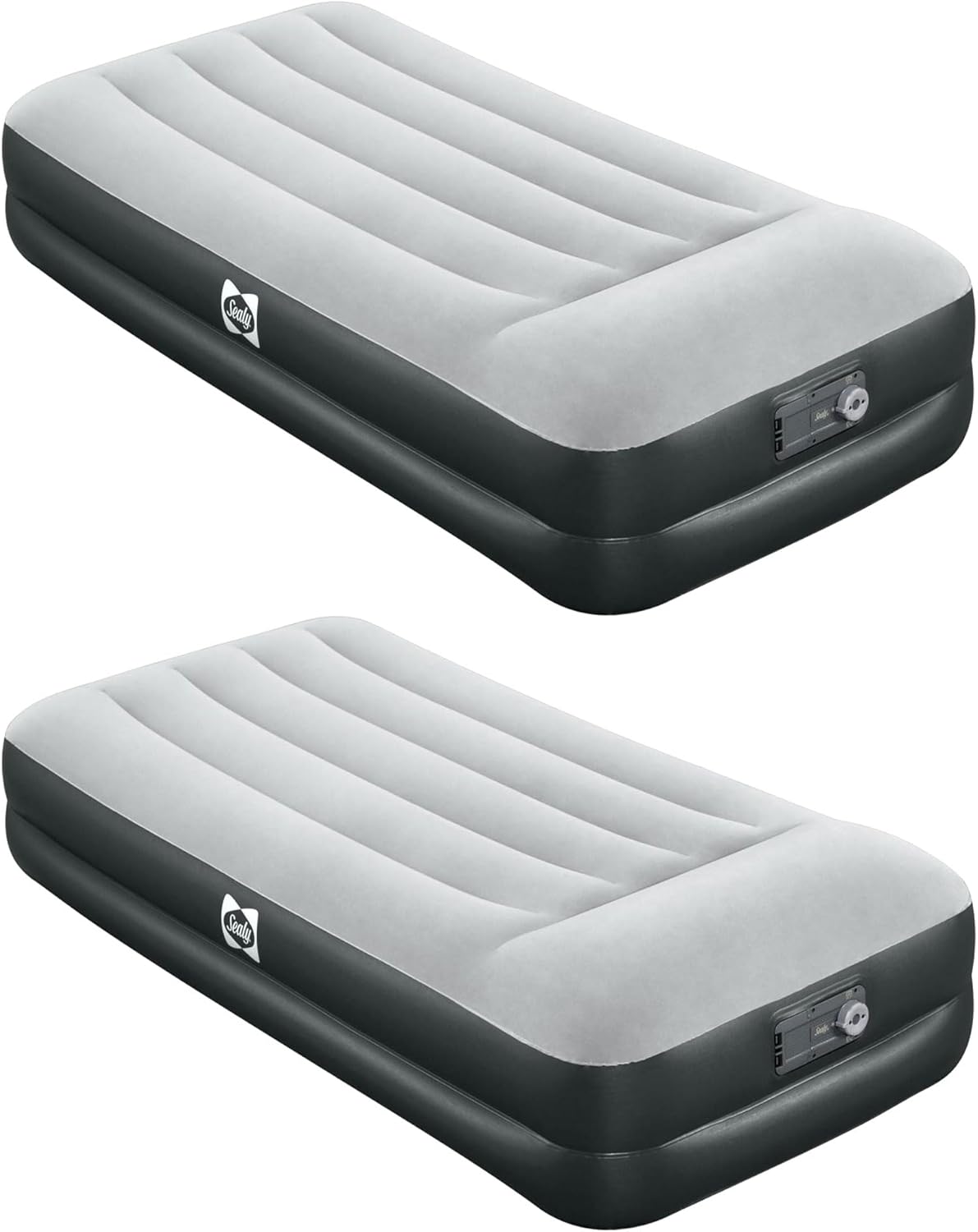
Sealy 2-Pack Tritech 16" Twin Inflatable Air Mattress with Built-in AC Pump
$0 $113.99
20% OFF

INTEX Prism Frame 20ft x 52in Above Ground Pool Set - Round Steel Frame Swimming Pool
$695.99 $869.99

Gardner Pet 43" Heavy Duty Dog Crate with Wheels - Indestructible Folding Metal Cage (Black)
$0 $149.99
12% OFF

Elegant Mid-Century Modern Bar Stools - Set of 4
$395.99 $449.99
23% OFF

Ergonomic Office Chair - Big and Tall Desk Chair with Adjustable Lumbar Support
$279.99 $363.99
26% OFF

Magnelex American Flag Windshield Sun Shade - High-Resolution UV Reflective Heat Shield (X-Large)
$19.9 $26.9
20% OFF

EVIQO 48 Amp NACS Level 2 EV Charger - Hardwired Smart WiFi Wall Charger for Tesla
$368.51 $458.55
50% OFF

DBFIT Air Purifier for Home Large Room
$29.99 $59.99




-

Historic Lancashire church secures £250,000 National Lottery grant for major roof repairs
-

Sunderland Minster PCC was right to push back over trans toilet sign
-

Bethel Church distances itself from Todd Bentley and Mike Bickle
-

Christian police officer reaches settlement over diversity training discrimination claim
-

Turkey's hidden Christian past: Extraordinary discoveries are rewriting the story of early Christianity
-

Washington Archdiocese parts ways with exorcist priest over UFO remarks
Most Popular
News

Churches must disciple well and listen well in response to rise of Christian nationalism
Churches have a task on their hands to raise standards of theological literacy in their congregations amid growing Christian nationalism, while at the same time listening to and engaging with the concerns of people in their flock.

A Christian response to the crisis facing young people
The Church has a wonderful message of hope to share with young people increasingly feeling a sense of nihilism and hopelessness at the state of the world, writes Tim Farron.

Tributes paid to Operation Mobilisation co-founder Dale Rhoton
Tributes have been paid to Dale Rhoton, one of the co-founders of international mission organisation Operation Mobilisation (OM), after his death at the age of 88.

Doctors should work for good of the patient, not facilitate suicide, says Christian Medical Fellowship
Suicide is always a tragedy that should be resisted, the CMF suggested.
VitaUp Beet Root Gummies with CoQ10 & Grape Seed - Nitric Oxide Circulation Support (60 Count)
$24.91
HDPE All-Weather Adirondack Chair with Built-In Cup Holder - Tool-Free Assembly (Grey)
$69.99
HOMETUK Clear Plastic Storage Bins with Dividers - 3-Pack Stackable Acrylic Organizer Containers for Fridge and Pantry
$19.99
G Gradual Men's Fishing Shirt - UPF 50+ Lightweight Short Sleeve Button Down with Zipper Pockets
$14.99
Everyfun 60" Rectangular Platform Tree Swing - 700lbs Heavy Duty Adjustable Outdoor Swing (Colorful)
$49.99
Ekouaer Women's Casual Loose Jumpsuit - One-Piece Printed Sleeveless Wide Leg Romper with Pockets
$14.99
ROTAKE TB3 20V Heavy Duty 1/2" Cordless Impact Wrench Kit - 1380 Ft-Lbs Torque
$132
Men's Athletic Running Shorts with Zipper Pockets - Lightweight & Quick Dry
$12.74
Modern Ceiling Fan with Light and Remote - Reversible Quiet DC Motor
$69.3
MOOKA H13 True HEPA Air Purifier for Home Large Room - 1076 sq ft Odor Eliminator
$39.97
Ekouaer Women's Satin Silky Pajama Set - Short Sleeve Pullover Top & Wide-Leg Pants
$13.99
Ekouaer 3-Piece Maternity & Nursing Pajamas Set - Short Sleeve Top with Shorts and Pants
$14.99
Sealy 2-Pack Tritech 16" Twin Inflatable Air Mattress with Built-in AC Pump
$0
INTEX Prism Frame 20ft x 52in Above Ground Pool Set - Round Steel Frame Swimming Pool
$695.99
Gardner Pet 43" Heavy Duty Dog Crate with Wheels - Indestructible Folding Metal Cage (Black)
$0
Elegant Mid-Century Modern Bar Stools - Set of 4
$395.99
Ergonomic Office Chair - Big and Tall Desk Chair with Adjustable Lumbar Support
$279.99
Magnelex American Flag Windshield Sun Shade - High-Resolution UV Reflective Heat Shield (X-Large)
$19.9
EVIQO 48 Amp NACS Level 2 EV Charger - Hardwired Smart WiFi Wall Charger for Tesla
$368.51
DBFIT Air Purifier for Home Large Room
$29.99