
COLLEGE STATION, Texas - Republican presidential candidate Mitt Romney vowed on Thursday the Mormon church would not run the White House if he is elected, as he sought to reassure Americans wary of his religion.
Attempting to halt a slide in the polls in Iowa, where former Arkansas Gov. and Baptist preacher Mike Huckabee has surged into the lead is many polls, Romney made an impassioned appeal to Americans to look beyond his religion and honour the U.S. tradition of religious tolerance.
"Let me assure you that no authorities of my church, or of any other church for that matter, will ever exert influence on presidential decisions. Their authority is theirs, within the province of church affairs, and it ends where the affairs of the nation begin," Romney said.
He spoke at the presidential library of former President George H.W. Bush in College Station, a setting chosen in part because it is not far from Houston, where Democratic candidate John Kennedy addressed Americans about his Catholic religion in 1960 and went on to win the presidency that year.
Romney, a former governor of Massachusetts who would be the first Mormon president of the United States as Kennedy was the first Catholic president, cast himself in Kennedy's mold.
"Like him, I am an American running for president. I do not define my candidacy by my religion. A person should not be elected because of his faith nor should he be rejected because of his faith," Romney said.
Some Americans view Mormons with scepticism and the church has spent decades trying to counter criticism that it is a cult and a threat to Christianity.
The church maintains that God speaks through living apostles and prophets such as the church's current president, Gordon Hinckley. Mormons reject the unified Trinity and teach that God has a body of flesh.
Romney, who had been pressed by Southern Baptist leaders to make the speech, sought to reassure Christian evangelicals about his faith, saying he believes Jesus Christ is the son of God and saviour of mankind.
He acknowledged that some differences exist.
"My church's beliefs about Christ may not all be the same as those of other faiths," Romney said. "Each religion has its own unique doctrines and history."
Some evangelical leaders came away from the speech impressed.
The Rev. Rob Schenk, president of the National Ministry Center in Washington D.C., who is neutral in the presidential race, called it "one of the best political speeches on this subject that will likely ever be made."
"As an evangelical, I think he went a long way toward relieving some of the anxieties that evangelicals have experienced about a Mormon president, and I think that's a good thing," said Schenk, who attended the speech along with a number of other religious leaders.
Romney avoided specifics about Mormonism, saying to do so would amount to a "religious test" not in keeping with the strictures of the U.S. Constitution.
The Church of Jesus Christ of Latter-day Saints has an estimated 6 million members in the United States and is based on the belief that the religion's founder, Joseph Smith, found golden tablets in 1827 in upstate New York left behind by ancient Israelites.
Matthew Wilson, political scientist at Southern Methodist University in Dallas, called it a "very powerful speech." But he doubted it "will change anyone's theological scepticism about the Mormon church."
"I certainly didn't hear anything that he said that should disturb evangelicals," said Welton Gaddy, president of the Interfaith Alliance. He said Romney should also have stressed he would protect the rights of those who do not have a religion or who oppose a religion.
Romney said he would not turn his back on his faith, as he said some would prefer.
"I believe in my Mormon faith and I endeavour to live by it," he said. "Some believe that such a confession of my faith will sink my candidacy. If they are right, so be it."
A recent survey by the Pew Research Center found a majority of Americans view the Mormon faith as a Christian religion, but one in four respondents said they would be less likely to vote for a Mormon president.
Romney's campaign is heavily dependent on a victory in Iowa, which on January 3 holds the first of the state-by-state contests to determine which Republican and Democrat will face off in the November 2008 election.
Romney spent millions to build a big lead in Iowa, but the advantage has evaporated in recent weeks, with Huckabee winning support from Christian evangelicals to catch him in the polls.
11% OFF

VitaUp Beet Root Gummies with CoQ10 & Grape Seed - Nitric Oxide Circulation Support (60 Count)
$24.91 $27.91
50% OFF

HDPE All-Weather Adirondack Chair with Built-In Cup Holder - Tool-Free Assembly (Grey)
$69.99 $139.99
60% OFF

HOMETUK Clear Plastic Storage Bins with Dividers - 3-Pack Stackable Acrylic Organizer Containers for Fridge and Pantry
$19.99 $49.99
58% OFF

G Gradual Men's Fishing Shirt - UPF 50+ Lightweight Short Sleeve Button Down with Zipper Pockets
$14.99 $35.99
55% OFF

Everyfun 60" Rectangular Platform Tree Swing - 700lbs Heavy Duty Adjustable Outdoor Swing (Colorful)
$49.99 $110.99
61% OFF

Ekouaer Women's Casual Loose Jumpsuit - One-Piece Printed Sleeveless Wide Leg Romper with Pockets
$14.99 $37.99
40% OFF
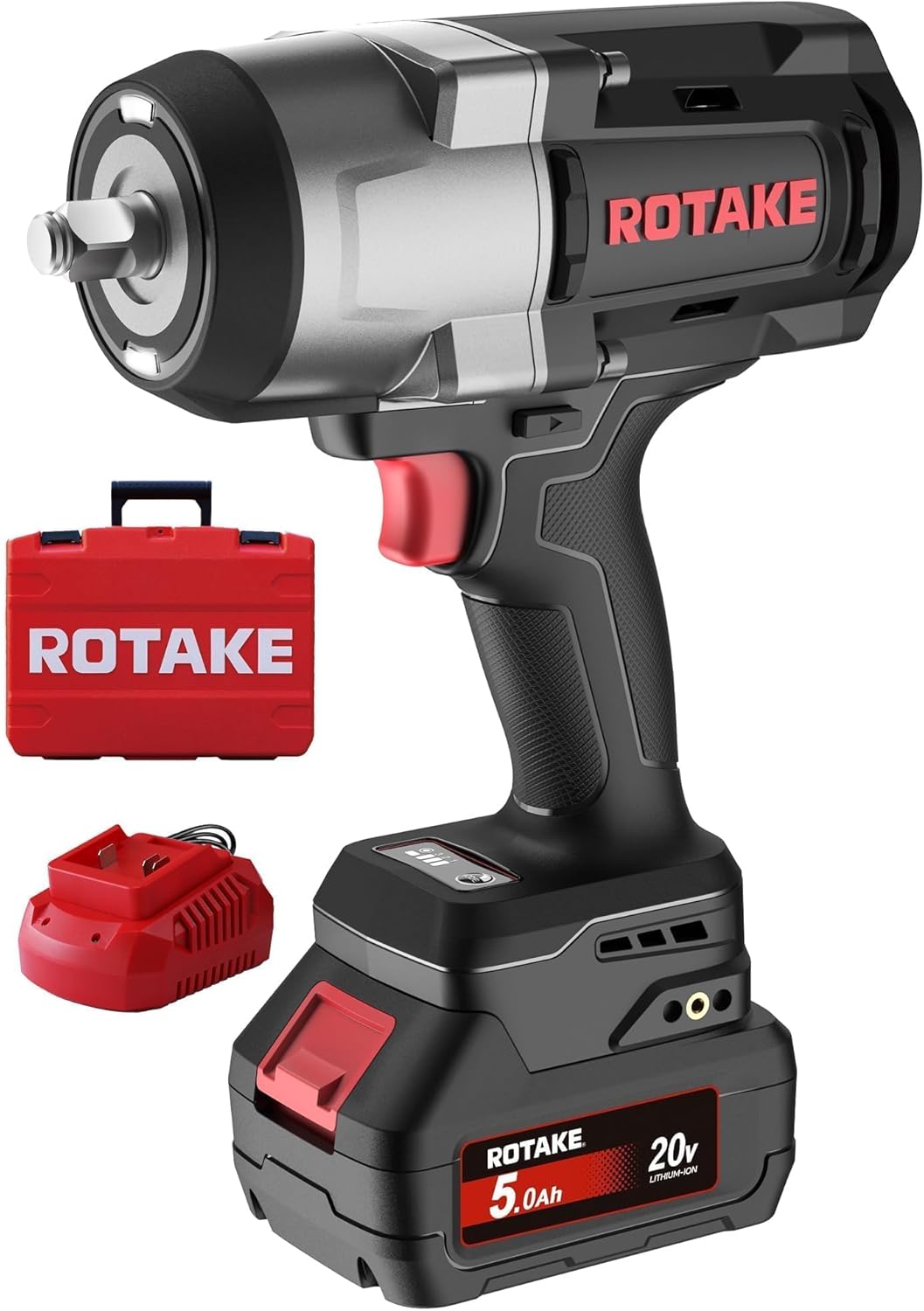
ROTAKE TB3 20V Heavy Duty 1/2" Cordless Impact Wrench Kit - 1380 Ft-Lbs Torque
$132 $219.99
36% OFF

Men's Athletic Running Shorts with Zipper Pockets - Lightweight & Quick Dry
$12.74 $19.99
61% OFF

Modern Ceiling Fan with Light and Remote - Reversible Quiet DC Motor
$69.3 $179.99
50% OFF

MOOKA H13 True HEPA Air Purifier for Home Large Room - 1076 sq ft Odor Eliminator
$39.97 $79.95
60% OFF

Ekouaer Women's Satin Silky Pajama Set - Short Sleeve Pullover Top & Wide-Leg Pants
$13.99 $34.99
55% OFF

Ekouaer 3-Piece Maternity & Nursing Pajamas Set - Short Sleeve Top with Shorts and Pants
$14.99 $32.99

Sealy 2-Pack Tritech 16" Twin Inflatable Air Mattress with Built-in AC Pump
$0 $113.99
20% OFF

INTEX Prism Frame 20ft x 52in Above Ground Pool Set - Round Steel Frame Swimming Pool
$695.99 $869.99

Gardner Pet 43" Heavy Duty Dog Crate with Wheels - Indestructible Folding Metal Cage (Black)
$0 $149.99
12% OFF

Elegant Mid-Century Modern Bar Stools - Set of 4
$395.99 $449.99
23% OFF

Ergonomic Office Chair - Big and Tall Desk Chair with Adjustable Lumbar Support
$279.99 $363.99
26% OFF

Magnelex American Flag Windshield Sun Shade - High-Resolution UV Reflective Heat Shield (X-Large)
$19.9 $26.9
20% OFF
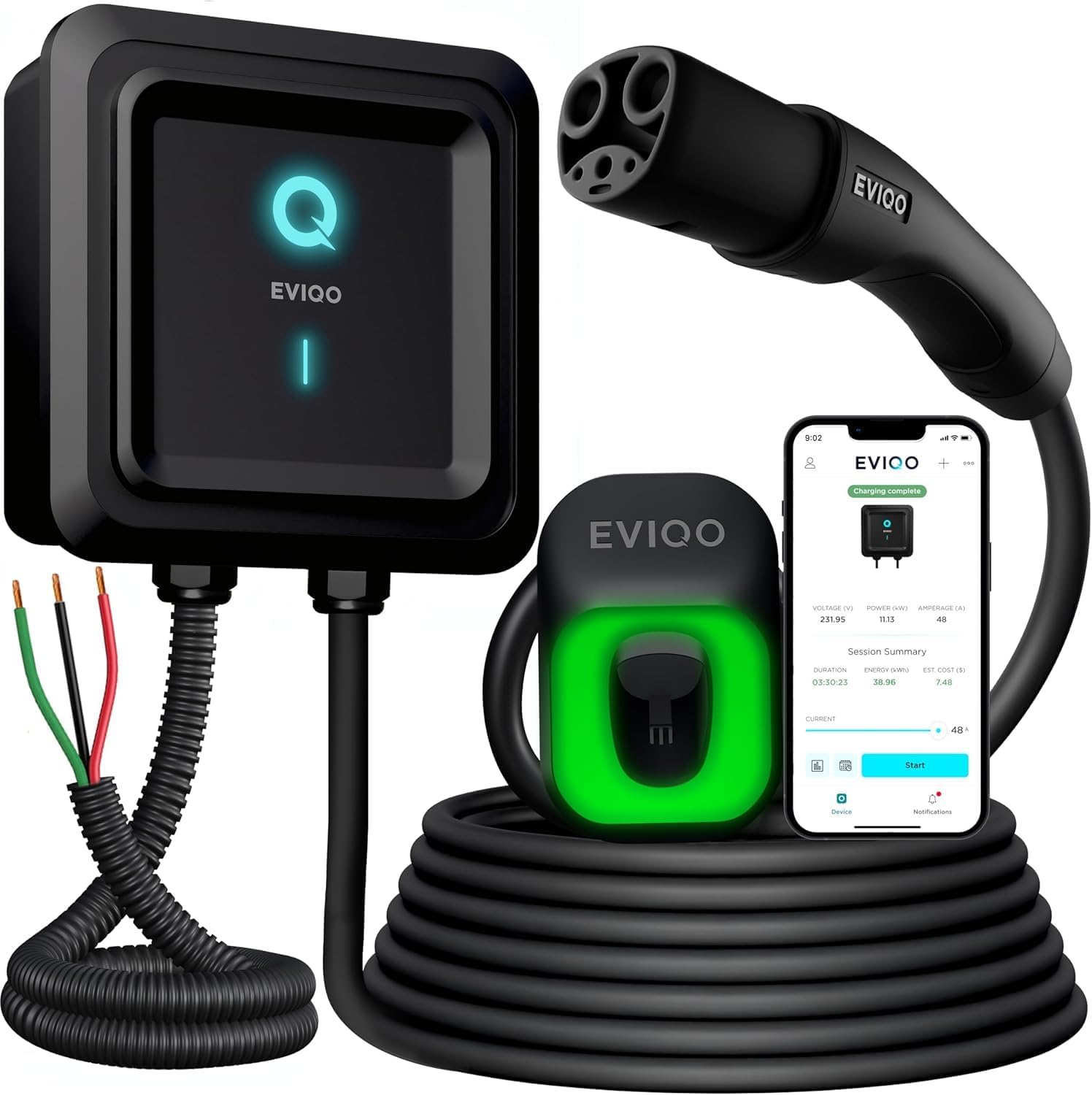
EVIQO 48 Amp NACS Level 2 EV Charger - Hardwired Smart WiFi Wall Charger for Tesla
$368.51 $458.55
50% OFF
DBFIT Air Purifier for Home Large Room
$29.99 $59.99



-
Historic Lancashire church secures £250,000 National Lottery grant for major roof repairs
-
Sunderland Minster PCC was right to push back over trans toilet sign
-
Secular group targets church over online preaching
-

Bethel Church distances itself from Todd Bentley and Mike Bickle
-

Christian police officer reaches settlement over diversity training discrimination claim
-

Christian loses case to remove LGBT symbols from workplace
Most Popular
News
Archbishop of Canterbury highlights benefits and risks of AI
Archbishop Sarah Mullally joined the Pope in raising concerns about AI.
Church of England more than doubles conservation grants
The significant rise in funding was attributed partly to support from the National Lottery Heritage Fund.

Male silence has helped shape UK abortion culture
“Men and abortion is an area that is even more silenced than many of the other areas connected with women and abortion, which are silenced," says bioethicist Dr Anthony McCarthy.
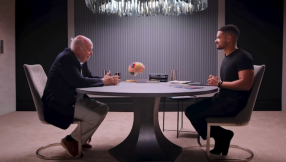
Diary of a CEO’s Steven Bartlett and John Lennox discuss AI, faith and the search for meaning
The Oxford professor shared fears of a “colossal power grab” as AI continues to evolve.
VitaUp Beet Root Gummies with CoQ10 & Grape Seed - Nitric Oxide Circulation Support (60 Count)
$24.91
HDPE All-Weather Adirondack Chair with Built-In Cup Holder - Tool-Free Assembly (Grey)
$69.99
HOMETUK Clear Plastic Storage Bins with Dividers - 3-Pack Stackable Acrylic Organizer Containers for Fridge and Pantry
$19.99
G Gradual Men's Fishing Shirt - UPF 50+ Lightweight Short Sleeve Button Down with Zipper Pockets
$14.99
Everyfun 60" Rectangular Platform Tree Swing - 700lbs Heavy Duty Adjustable Outdoor Swing (Colorful)
$49.99
Ekouaer Women's Casual Loose Jumpsuit - One-Piece Printed Sleeveless Wide Leg Romper with Pockets
$14.99
ROTAKE TB3 20V Heavy Duty 1/2" Cordless Impact Wrench Kit - 1380 Ft-Lbs Torque
$132
Men's Athletic Running Shorts with Zipper Pockets - Lightweight & Quick Dry
$12.74
Modern Ceiling Fan with Light and Remote - Reversible Quiet DC Motor
$69.3
MOOKA H13 True HEPA Air Purifier for Home Large Room - 1076 sq ft Odor Eliminator
$39.97
Ekouaer Women's Satin Silky Pajama Set - Short Sleeve Pullover Top & Wide-Leg Pants
$13.99
Ekouaer 3-Piece Maternity & Nursing Pajamas Set - Short Sleeve Top with Shorts and Pants
$14.99
Sealy 2-Pack Tritech 16" Twin Inflatable Air Mattress with Built-in AC Pump
$0
INTEX Prism Frame 20ft x 52in Above Ground Pool Set - Round Steel Frame Swimming Pool
$695.99
Gardner Pet 43" Heavy Duty Dog Crate with Wheels - Indestructible Folding Metal Cage (Black)
$0
Elegant Mid-Century Modern Bar Stools - Set of 4
$395.99
Ergonomic Office Chair - Big and Tall Desk Chair with Adjustable Lumbar Support
$279.99
Magnelex American Flag Windshield Sun Shade - High-Resolution UV Reflective Heat Shield (X-Large)
$19.9
EVIQO 48 Amp NACS Level 2 EV Charger - Hardwired Smart WiFi Wall Charger for Tesla
$368.51
DBFIT Air Purifier for Home Large Room
$29.99