
UNITED NATIONS - Mediators on Kosovo's future dumped the problem on a divided international community on Friday, saying that rigid positions on sovereignty over the Serbian province had foiled agreement in four months of talks.
Their report to U.N. Secretary-General Ban Ki-moon made no recommendations on a way forward, making it almost certain the ethnic Albanian majority in breakaway Kosovo will go ahead with plans to declare independence early next year.
Key Western countries are expected to accept that move, but it is vigorously opposed by Serbia and by its ally Russia, which holds a veto in the Security Council. The council will discuss the mediators' report on December 19.
In their report, made available to Reuters by diplomats, the so-called "troika" of mediators from the United States, Russia and the European Union said the talks between the Kosovo Albanians and Serbia's government had been useful. Both sides had pledged to refrain from violence, threats or intimidation.
"Both parties must be reminded that their failure to live up to these commitments will affect the achievement of the European future that they both seek," it said.
But, it said: "The parties were unable to reach agreement on the final status of Kosovo. Neither party was willing to cede its position on the fundamental question of sovereignty over Kosovo."
The mediators -- Frank Wisner of the United States, Alexander Botsan-Kharchenko of Russia and Wolfgang Ischinger of Germany -- had already made no secret of the failure of the talks to cut a deal, an outcome widely predicted in the West.
The four months of talks were held at Russian insistence after Moscow blocked a Security Council resolution that would have cleared the way for independence. They had been up against a December 10 deadline but, given the deadlock, ended last week.
Kosovo has been administered by the United Nations since a 1999 NATO bombing campaign to halt killings and ethnic cleansing by Serb forces against the 90 percent ethnic Albanian majority in the province.
In Brussels, NATO nations pledged on Friday to provide enough troops to put down any violence as Kosovo heads toward a declaration of independence. In a minor incident reported on Friday, Kosovo Serbs angry at Western support for independence, scuffled with NATO security officers at a village meeting.
Meanwhile, Britain, France, Germany and Italy urged fellow European Union states in a letter to accept that negotiations on Kosovo's future had been exhausted and the time had come to settle its status -- without U.N. backing, if necessary.
'SLIPPERY SLOPE'
In a separate move that drew immediate fire from Russia, NATO countries agreed that their 16,000 KFOR peacekeepers could stay in Kosovo on the basis of their existing U.N. mandate, even after independence.
"KFOR shall remain in Kosovo on the basis of U.N. Security Council resolution 1244, unless the Security Council decides otherwise," NATO ministers said in a communique.
Washington and most EU states are likely to recognize a declaration of independence by Kosovo and are confident its leaders will wait until around late January to enable NATO and the European Union to prepare for it.
"There is still a lot of work to do to make sure we have full commitment to the principles embodied in the Ahtisaari plan," U.S. Secretary of State Condoleezza Rice said of a U.N. blueprint for independence by special envoy Martti Ahtisaari, which has security provisions for Kosovo's Serbs.
The agreement that Security Council resolution 1244 can justify NATO's presence in Kosovo even after independence is crucial, as several nations such as Germany had harboured doubts over whether it could continue to apply.
Russia has not made clear whether it will challenge such an application of the resolution. But Foreign Minister Sergei Lavrov slammed it as potentially undermining basic standards of international law.
"Anybody who goes in contravention to those is on a very slippery downward slope and it certainly won't help the rest of us in Europe," he said after brief talks with NATO counterparts, referring to concerns it could encourage other separatist moves.
At the United Nations, Russian Ambassador Vitaly Churkin said the negotiations, even though unsuccessful, had been a "worthwhile exercise" producing "serious results," and Moscow would urge the Security Council that they should carry on.
"When the time comes to consider the troika report in the Security Council, Russia will be arguing in favour of continuing the negotiation," Churkin said. Western countries are virtually certain to reject that proposal.
Churkin said Serbia had made concessions but he admitted that Belgrade had not been willing to surrender sovereignty -- the essence of the Kosovo Albanian demands.
49% OFF
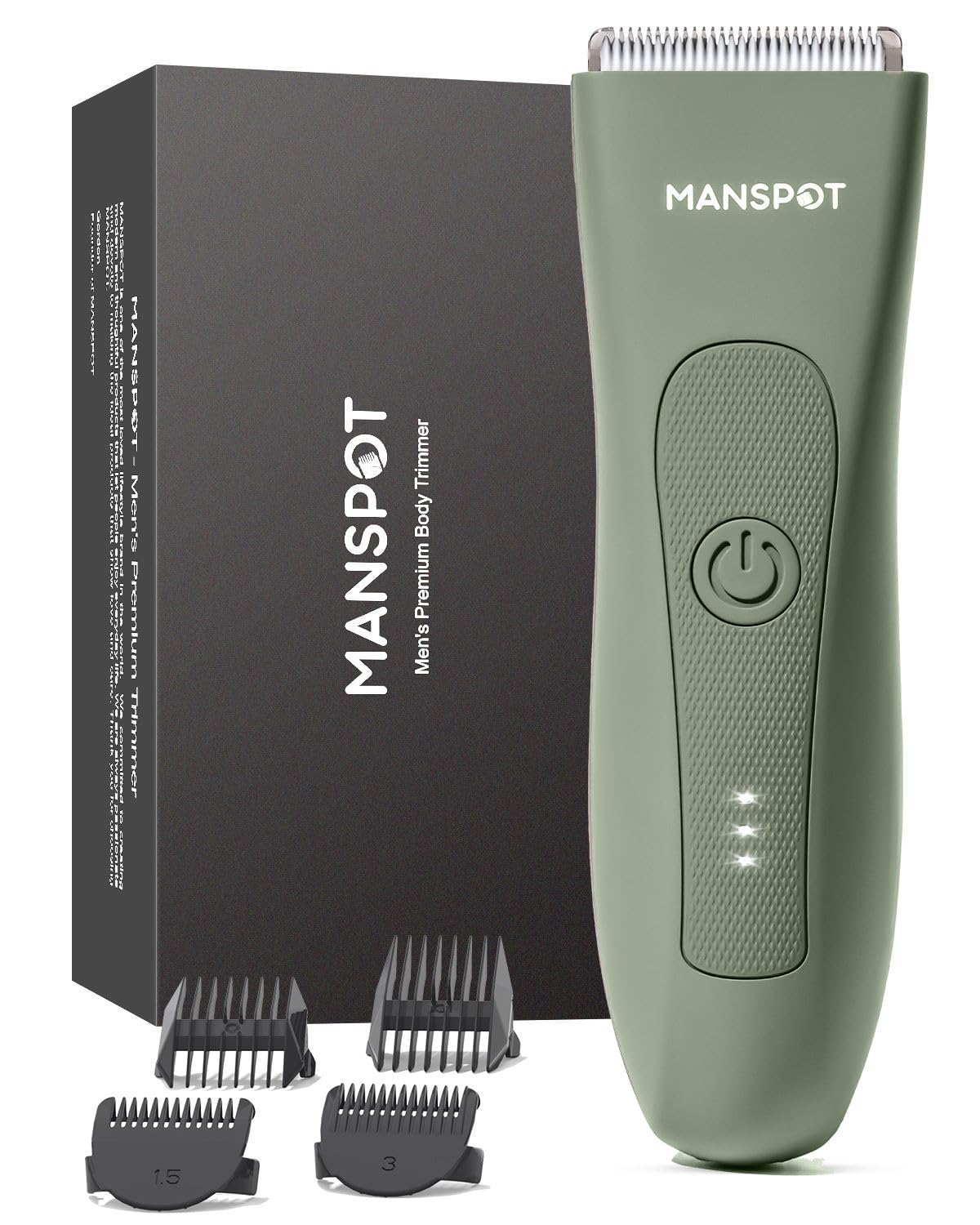
MANSPOT Electric Pubic Hair Trimmer - Waterproof Body and Groin Shaver for Men and Women (Black)
$20.39 $40
25% OFF
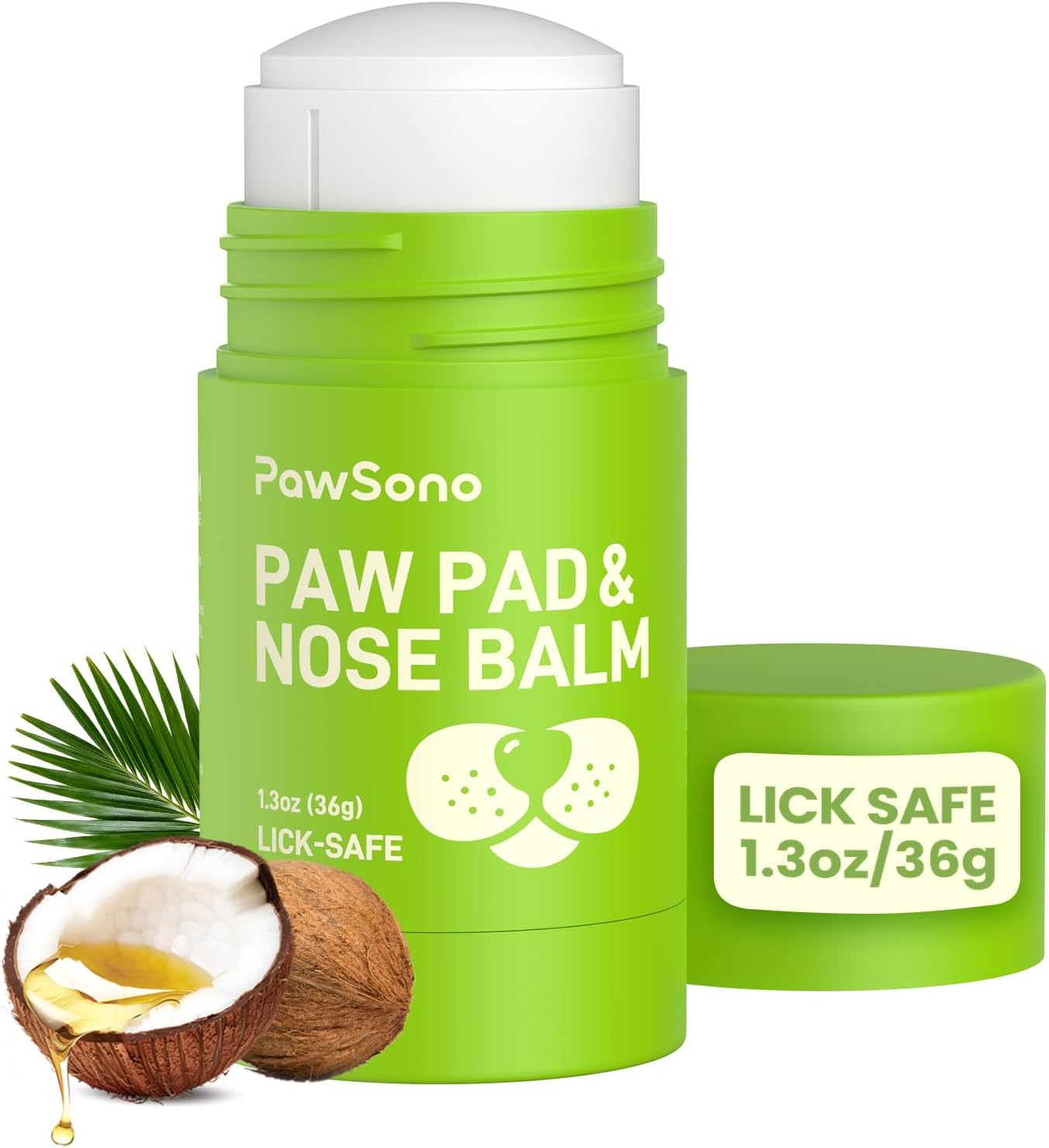
Lick-Safe Dog Paw and Nose Balm Stick - All-Natural Moisturizer with Coconut Oil for Dry, Cracked Pads and Snout
$11.69 $15.59
77% OFF
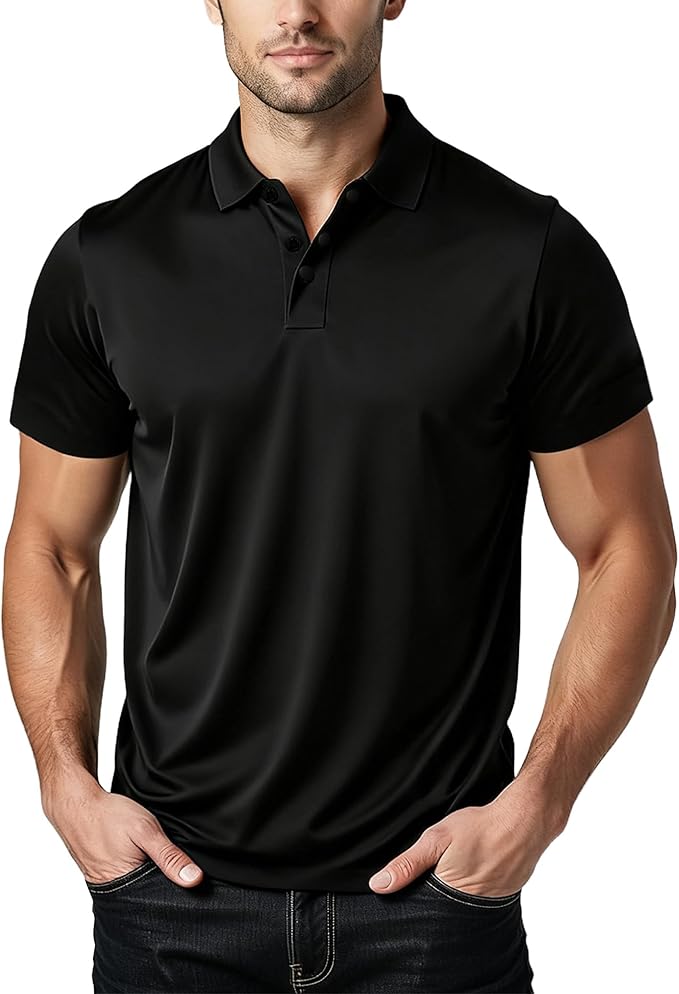
Men's Quick Dry Moisture Wicking Polo Shirt - High Elasticity Slim Fit Athletic Top (Runs Small)
$6.99 $29.99
46% OFF
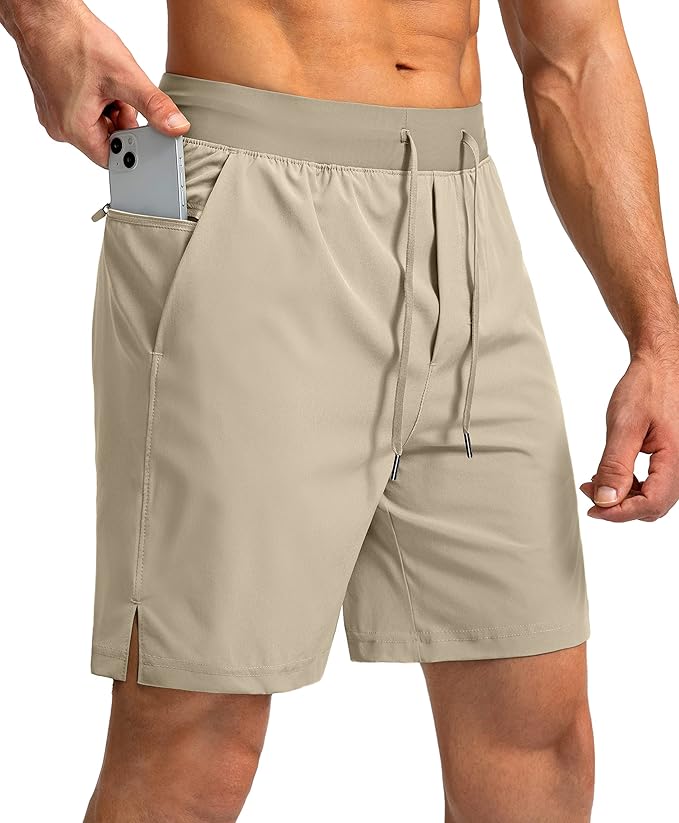
Men's Running Shorts with Zipper Pockets - Lightweight, Quick-Dry, Multi-Sport
$12.95 $23.99
50% OFF

NEWFAST NF-RE523 AC1200 WiFi Extender - 1200Mbps Dual Band Signal Booster & Internet Repeater
$18.5 $36.99
48% OFF
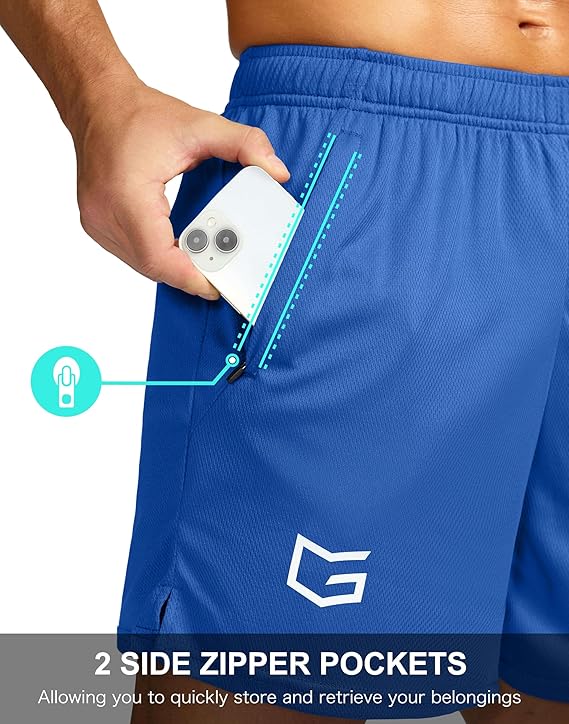
G Gradual Men's 7-inch Workout Running Shorts - Lightweight, Quick-Dry, Comfort
$12.91 $24.99
30% OFF
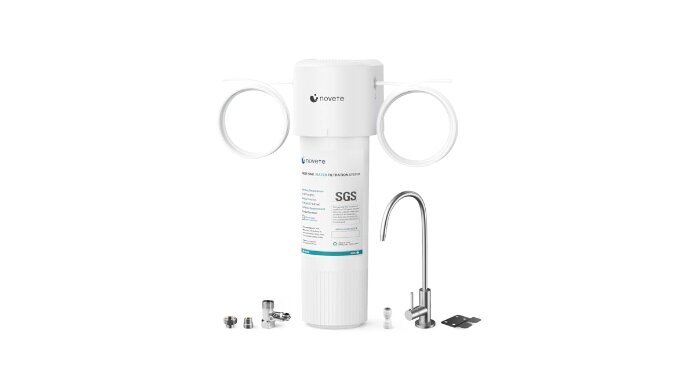
NOVETE Under Sink Water Filter - 3 Years, 30,000 Gallons, High-Efficiency Filtration
$41.99 $59.99
50% OFF

HDPE All-Weather Adirondack Chair with Built-In Cup Holder - Tool-Free Assembly (Grey)
$69.99 $139.99
60% OFF

HOMETUK Clear Plastic Storage Bins with Dividers - 3-Pack Stackable Acrylic Organizer Containers for Fridge and Pantry
$19.99 $49.99
58% OFF

G Gradual Men's Fishing Shirt - UPF 50+ Lightweight Short Sleeve Button Down with Zipper Pockets
$14.99 $35.99
55% OFF

Everyfun 60" Rectangular Platform Tree Swing - 700lbs Heavy Duty Adjustable Outdoor Swing (Colorful)
$49.99 $110.99
61% OFF

Ekouaer Women's Casual Loose Jumpsuit - One-Piece Printed Sleeveless Wide Leg Romper with Pockets
$14.99 $37.99
36% OFF

Men's Athletic Running Shorts with Zipper Pockets - Lightweight & Quick Dry
$12.74 $19.99
61% OFF

Modern Ceiling Fan with Light and Remote - Reversible Quiet DC Motor
$69.3 $179.99
50% OFF

MOOKA H13 True HEPA Air Purifier for Home Large Room - 1076 sq ft Odor Eliminator
$39.97 $79.95
40% OFF
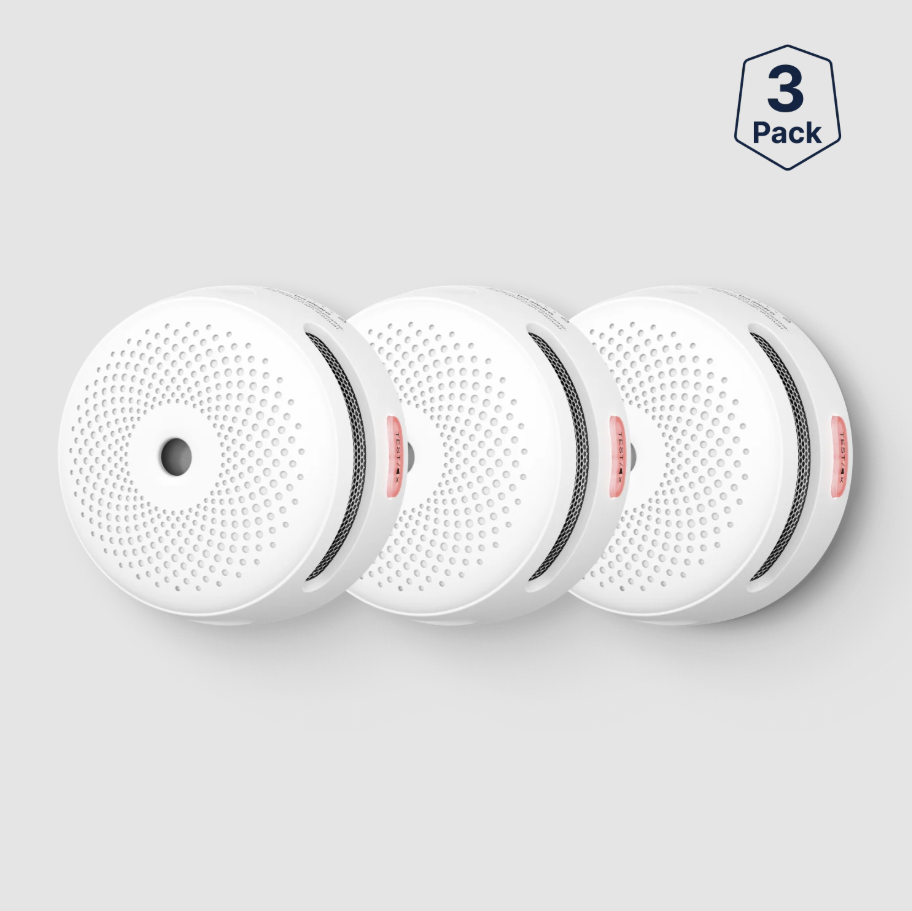
X-Sense XS01-WX Smart Smoke Alarm - 2.4 GHz Wi-Fi Photoelectric Fire Detector with Mobile App Alerts
$65.99 $109.99
11% OFF

VitaUp Beet Root Gummies with CoQ10 & Grape Seed - Nitric Oxide Circulation Support (60 Count)
$24.91 $27.91

Sealy 2-Pack Tritech 16" Twin Inflatable Air Mattress with Built-in AC Pump
$0 $113.99
20% OFF

INTEX Prism Frame 20ft x 52in Above Ground Pool Set - Round Steel Frame Swimming Pool
$695.99 $869.99

Gardner Pet 43" Heavy Duty Dog Crate with Wheels - Indestructible Folding Metal Cage (Black)
$0 $149.99




-

Diary of a CEO’s Steven Bartlett and John Lennox discuss AI, faith and the search for meaning
-

Belfast churches 'heartbroken' over unrest
-

Is there a two-tier Britain?
-
Churches must disciple well and listen well in response to rise of Christian nationalism
-

Biblical models and the creation of King Arthur
-

Welsh reverend speaks of culture of fear over LGBT issues
Most Popular
News

Gloucester churches come together to bless River Avon amid pollution concerns
It is part of a broader campaign against river pollution as concerns remain about the amount of untreated sewage in the Avon.

Life beyond burnout: how Christians can grow in the desert seasons
Christian Today speaks to author and Anglican priest Tish Harrison Warren about growth in desert seasons and why the Church shouldn’t treat all spiritual weariness as a problem to fix.
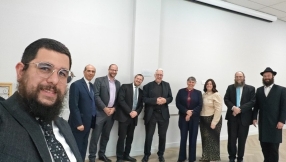
Iranian-born bishop stands in solidarity with Britain's Jews
2025 had the second highest number of antisemitic incidents on record.

Bishops protest Israeli arrest of another Palestinian Christian
An Evangelical Lutheran has been accused of "promoting terrorist activities".
MANSPOT Electric Pubic Hair Trimmer - Waterproof Body and Groin Shaver for Men and Women (Black)
$20.39
Lick-Safe Dog Paw and Nose Balm Stick - All-Natural Moisturizer with Coconut Oil for Dry, Cracked Pads and Snout
$11.69
Men's Quick Dry Moisture Wicking Polo Shirt - High Elasticity Slim Fit Athletic Top (Runs Small)
$6.99
Men's Running Shorts with Zipper Pockets - Lightweight, Quick-Dry, Multi-Sport
$12.95
NEWFAST NF-RE523 AC1200 WiFi Extender - 1200Mbps Dual Band Signal Booster & Internet Repeater
$18.5
G Gradual Men's 7-inch Workout Running Shorts - Lightweight, Quick-Dry, Comfort
$12.91
NOVETE Under Sink Water Filter - 3 Years, 30,000 Gallons, High-Efficiency Filtration
$41.99
HDPE All-Weather Adirondack Chair with Built-In Cup Holder - Tool-Free Assembly (Grey)
$69.99
HOMETUK Clear Plastic Storage Bins with Dividers - 3-Pack Stackable Acrylic Organizer Containers for Fridge and Pantry
$19.99
G Gradual Men's Fishing Shirt - UPF 50+ Lightweight Short Sleeve Button Down with Zipper Pockets
$14.99
Everyfun 60" Rectangular Platform Tree Swing - 700lbs Heavy Duty Adjustable Outdoor Swing (Colorful)
$49.99
Ekouaer Women's Casual Loose Jumpsuit - One-Piece Printed Sleeveless Wide Leg Romper with Pockets
$14.99
Men's Athletic Running Shorts with Zipper Pockets - Lightweight & Quick Dry
$12.74
Modern Ceiling Fan with Light and Remote - Reversible Quiet DC Motor
$69.3
MOOKA H13 True HEPA Air Purifier for Home Large Room - 1076 sq ft Odor Eliminator
$39.97
X-Sense XS01-WX Smart Smoke Alarm - 2.4 GHz Wi-Fi Photoelectric Fire Detector with Mobile App Alerts
$65.99
VitaUp Beet Root Gummies with CoQ10 & Grape Seed - Nitric Oxide Circulation Support (60 Count)
$24.91
Sealy 2-Pack Tritech 16" Twin Inflatable Air Mattress with Built-in AC Pump
$0
INTEX Prism Frame 20ft x 52in Above Ground Pool Set - Round Steel Frame Swimming Pool
$695.99
Gardner Pet 43" Heavy Duty Dog Crate with Wheels - Indestructible Folding Metal Cage (Black)
$0