
North Korea was expected to hand China a long-delayed account of its shadowy nuclear activities on Thursday, a step that may see it removed from Washington's list of terrorist states.
A milestone on the way to ending its nuclear ambitions, the move could also win the reclusive state diplomatic recognition and desperately needed aid and fuel to prop up its economy.
However, U.S. Secretary of State Condoleezza Rice told reporters in the Japanese city of Kyoto that there was still work to do in verifying that North Korea, which tested a nuclear device two years ago, had given up the pursuit of atomic weapons.
"I do think it's important to note that if we can verifiably determine the amount of plutonium that has been made, we then have an upper hand in understanding what may have happened in terms of weaponisation," she said after arriving for a meeting with foreign ministers of the Group of Eight (G8) nations.
"So this (the declaration) is a natural step on the way to dealing with the devices or weapons themselves."
China, the closest Pyongyang has to an ally, has hosted six-country talks that last year secured a deal offering North Korea energy, aid and diplomatic concessions in return for disabling its main nuclear facility and unveiling its past nuclear activities.
That phase of the nuclear disarmament deal was due for completion by the end of 2007, but wrangling over money, aid and the contents of the North's "declaration" has held up progress.
The six-party talks bring together North and South Korea, China, the United States, Japan and Russia.
Officials with knowledge of the latest negotiations said they expected China to receive the declaration late on Thursday.
North Korea is expected to follow this up with the demolition of the cooling tower at its Yongbyon nuclear complex, a symbolic event highlighting its commitment to disable the source of its bomb-grade plutonium. In an unprecedented move, the secretive state has invited some Western media to record the event.
ABDUCTIONS ISSUE UNRESOLVED
The chief U.S. envoy to the talks, Assistant Secretary of State Chris Hill, told reporters on Wednesday before heading to join Rice in Kyoto that North Korea's declaration was likely to be soon followed by a new round of six-party negotiations.
Washington has said it could move quickly to remove North Korea from its list of terrorism sponsors after the declaration. President George W. Bush bracketed North Korea, Iraq and Iran in an "axis of evil" after the September 11, 2001 attacks on the United States, accusing them of state-sponsored terrorism and of seeking weapons of mass destruction. North Korea has also been accused of money-laundering, counterfeiting U.S. currency and manufacturing narcotics.
Removal from the U.S. list would ease trade restrictions and open the way for other cooperation with the United States, and eventually enable North Korea to work with the World Bank and other international institutions.
Japan has expressed concern about the United States removing North Korea from the terrorist list before the issue of Japanese citizens abducted by North Korean agents is addressed, but officials have recently indicated they now support the moves.
North Korea admitted in 2002 that its agents had kidnapped 13 Japanese in the 1970s and 1980s, five of whom have since been repatriated to Japan.
Rice said that Washington, a close ally of Japan, was determined to see progress on accounting for the abductees.
"We will continue to press on issues like the abduction issue, which is of great concern not just to Japan but to the United States as well," she said.
"It's a major human rights issue. We are encouraging the DPRK (North Korea) and Japan to continue their discussions but there needs to be real movement on that issue as well."
49% OFF
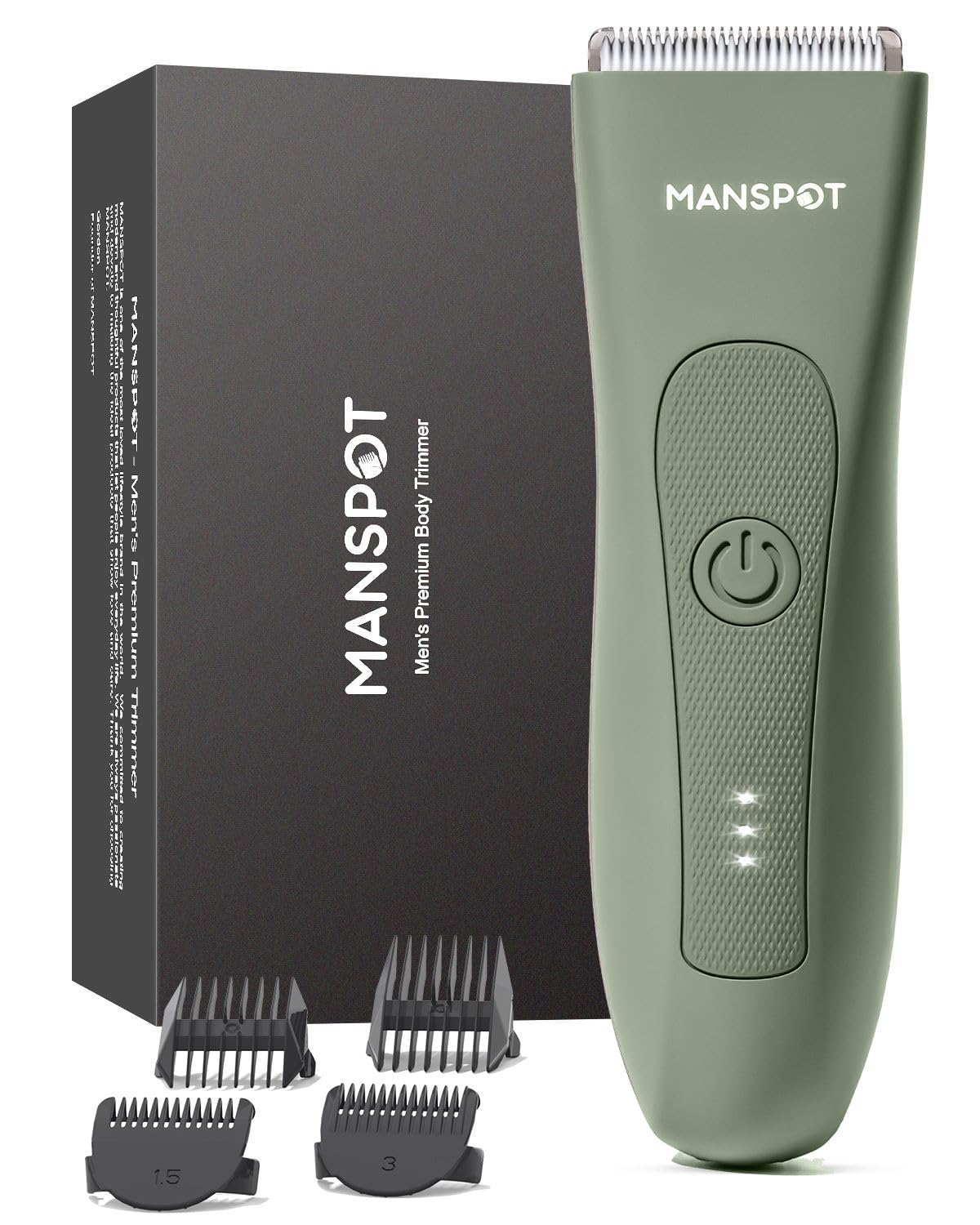
MANSPOT Electric Pubic Hair Trimmer - Waterproof Body and Groin Shaver for Men and Women (Black)
$20.39 $40
25% OFF
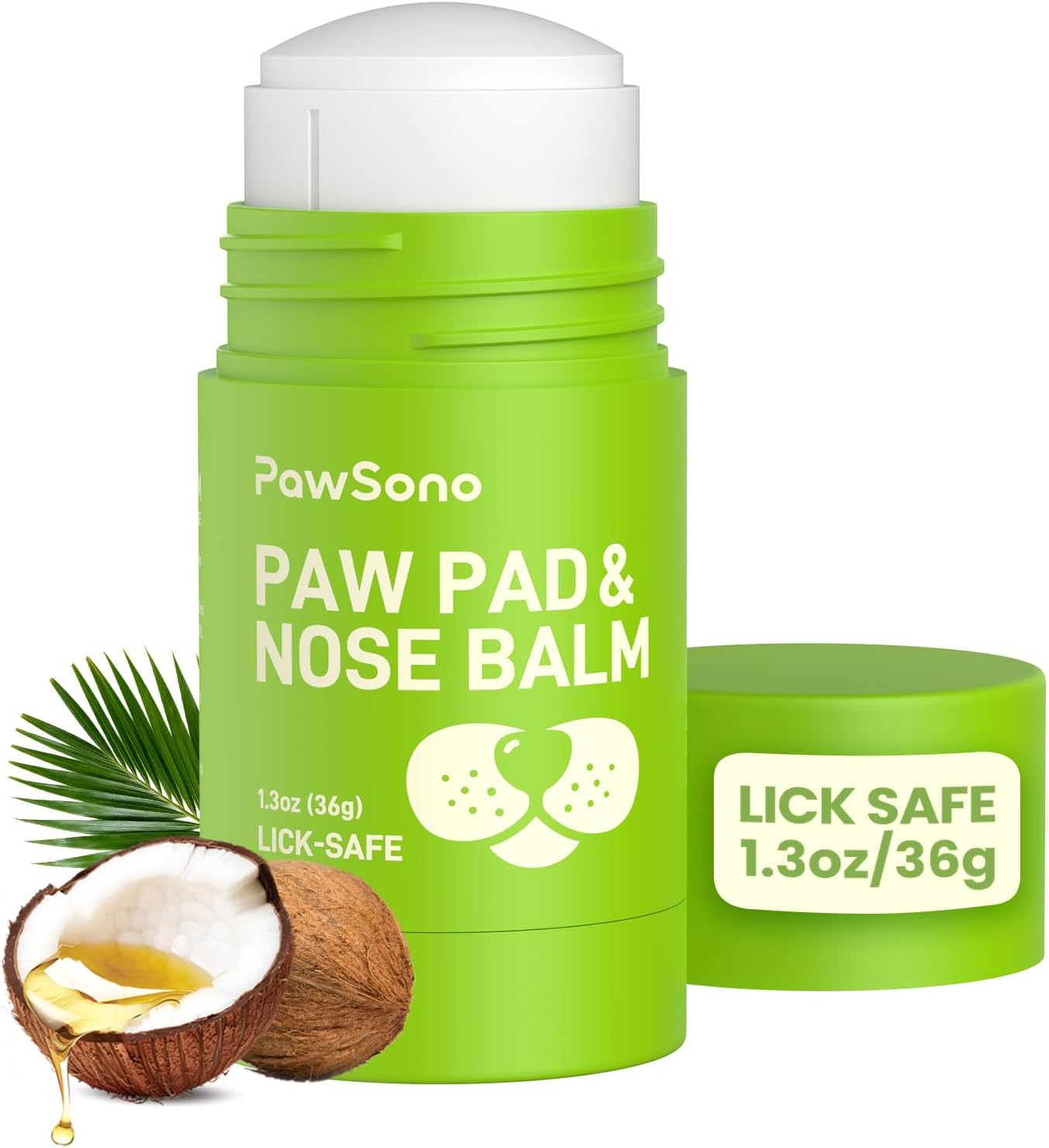
Lick-Safe Dog Paw and Nose Balm Stick - All-Natural Moisturizer with Coconut Oil for Dry, Cracked Pads and Snout
$11.69 $15.59
77% OFF
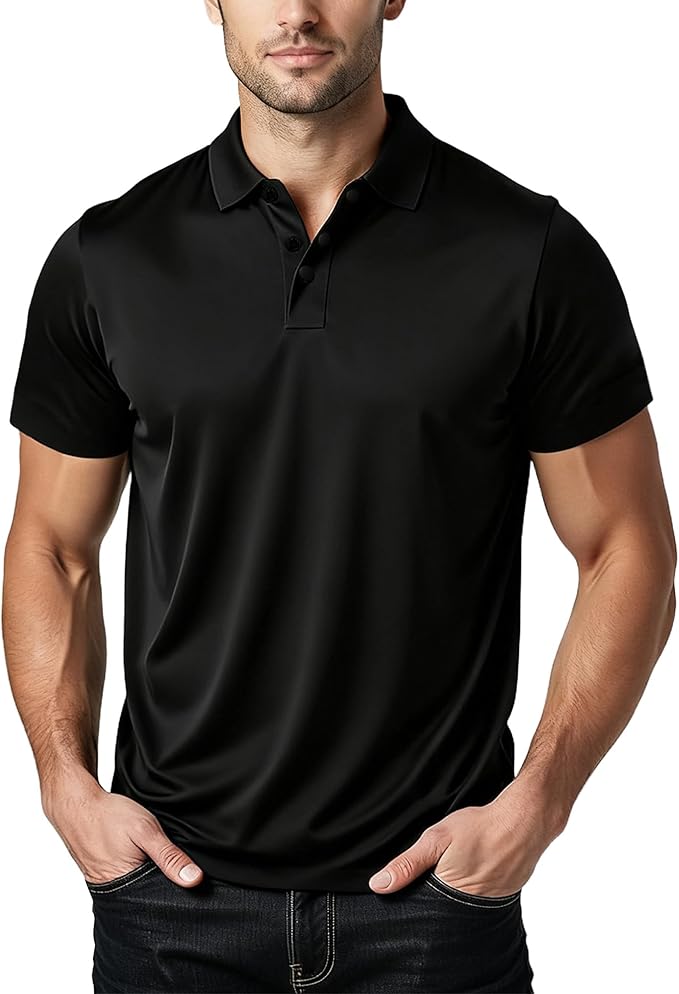
Men's Quick Dry Moisture Wicking Polo Shirt - High Elasticity Slim Fit Athletic Top (Runs Small)
$6.99 $29.99
46% OFF
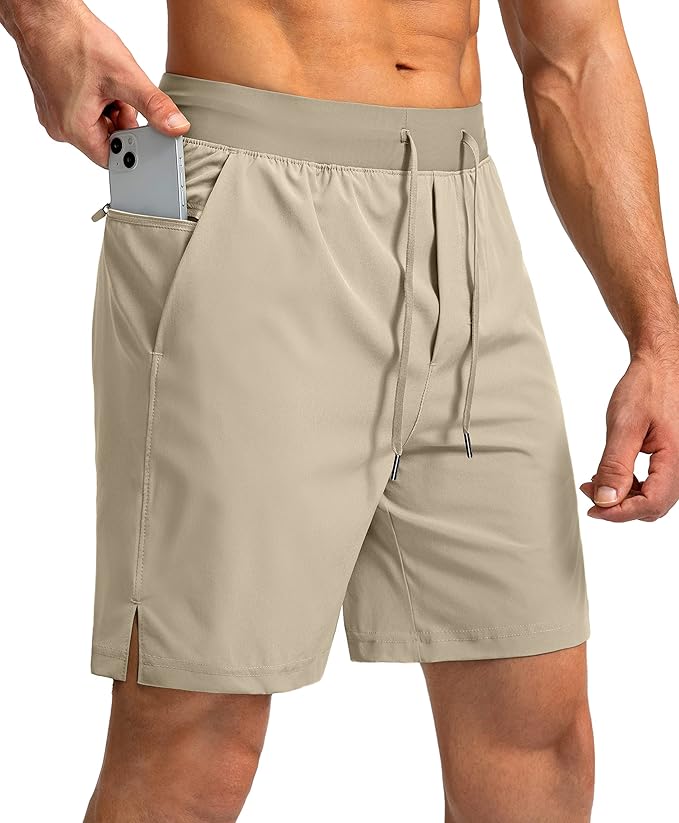
Men's Running Shorts with Zipper Pockets - Lightweight, Quick-Dry, Multi-Sport
$12.95 $23.99
50% OFF
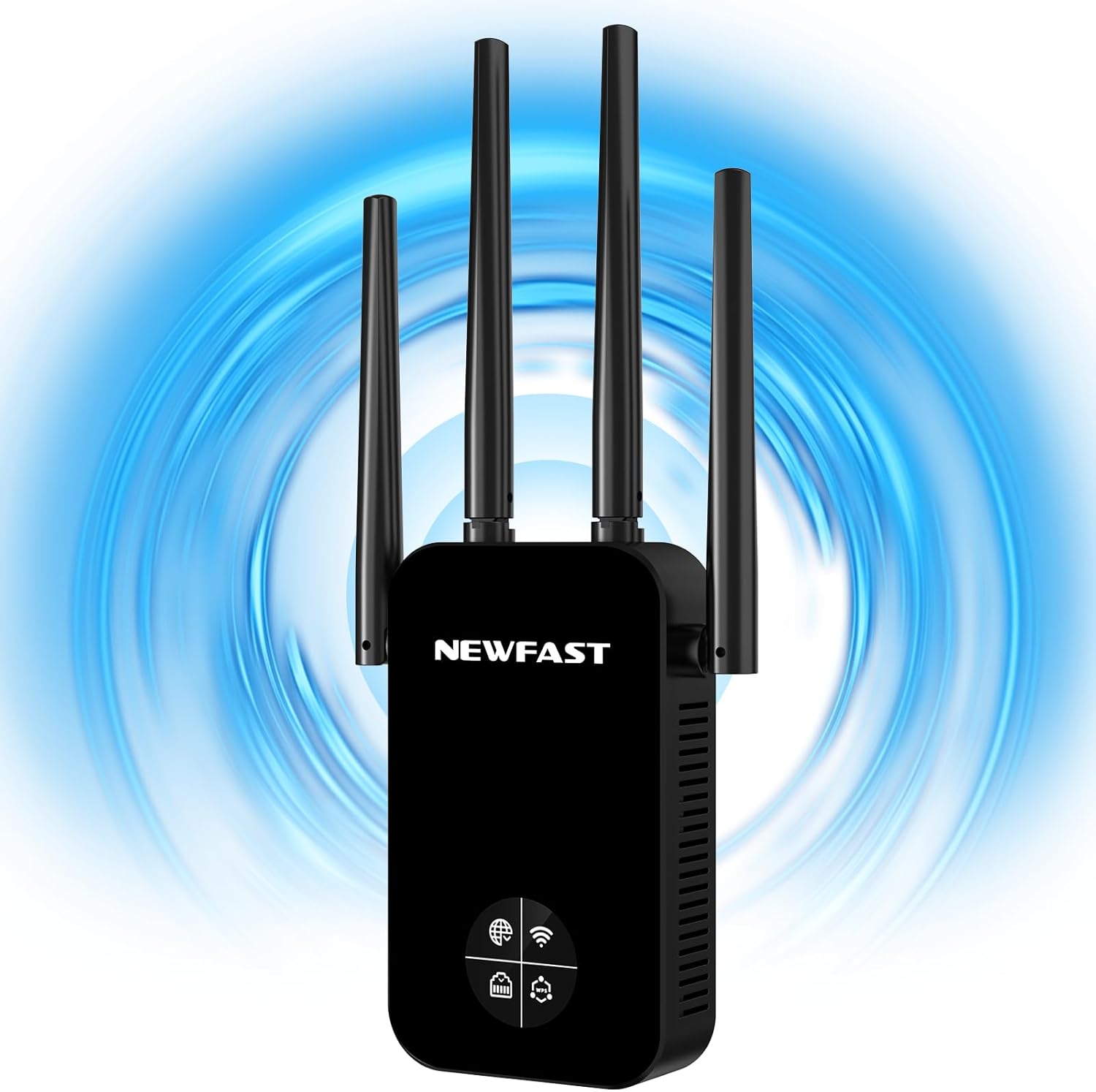
NEWFAST NF-RE523 AC1200 WiFi Extender - 1200Mbps Dual Band Signal Booster & Internet Repeater
$18.5 $36.99
48% OFF
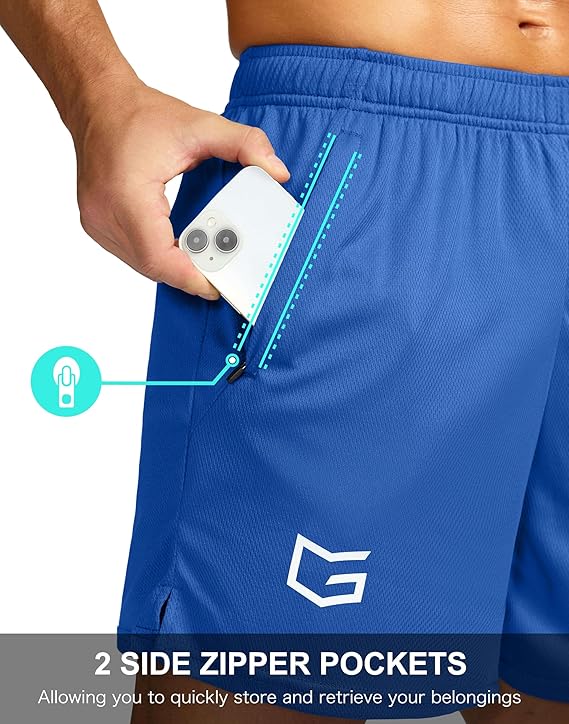
G Gradual Men's 7-inch Workout Running Shorts - Lightweight, Quick-Dry, Comfort
$12.91 $24.99
30% OFF
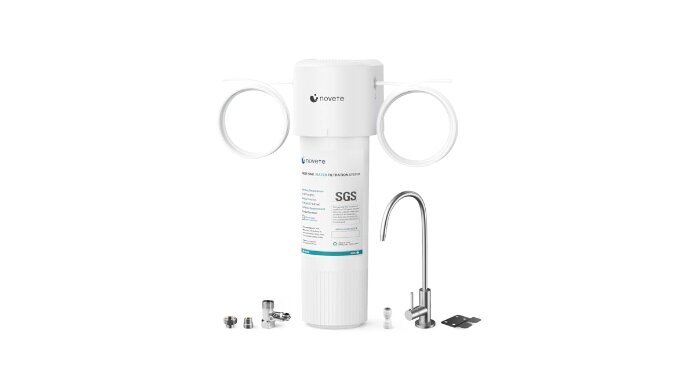
NOVETE Under Sink Water Filter - 3 Years, 30,000 Gallons, High-Efficiency Filtration
$41.99 $59.99
50% OFF

HDPE All-Weather Adirondack Chair with Built-In Cup Holder - Tool-Free Assembly (Grey)
$69.99 $139.99
60% OFF

HOMETUK Clear Plastic Storage Bins with Dividers - 3-Pack Stackable Acrylic Organizer Containers for Fridge and Pantry
$19.99 $49.99
58% OFF

G Gradual Men's Fishing Shirt - UPF 50+ Lightweight Short Sleeve Button Down with Zipper Pockets
$14.99 $35.99
55% OFF

Everyfun 60" Rectangular Platform Tree Swing - 700lbs Heavy Duty Adjustable Outdoor Swing (Colorful)
$49.99 $110.99
61% OFF

Ekouaer Women's Casual Loose Jumpsuit - One-Piece Printed Sleeveless Wide Leg Romper with Pockets
$14.99 $37.99
36% OFF

Men's Athletic Running Shorts with Zipper Pockets - Lightweight & Quick Dry
$12.74 $19.99
61% OFF

Modern Ceiling Fan with Light and Remote - Reversible Quiet DC Motor
$69.3 $179.99
50% OFF

MOOKA H13 True HEPA Air Purifier for Home Large Room - 1076 sq ft Odor Eliminator
$39.97 $79.95
40% OFF
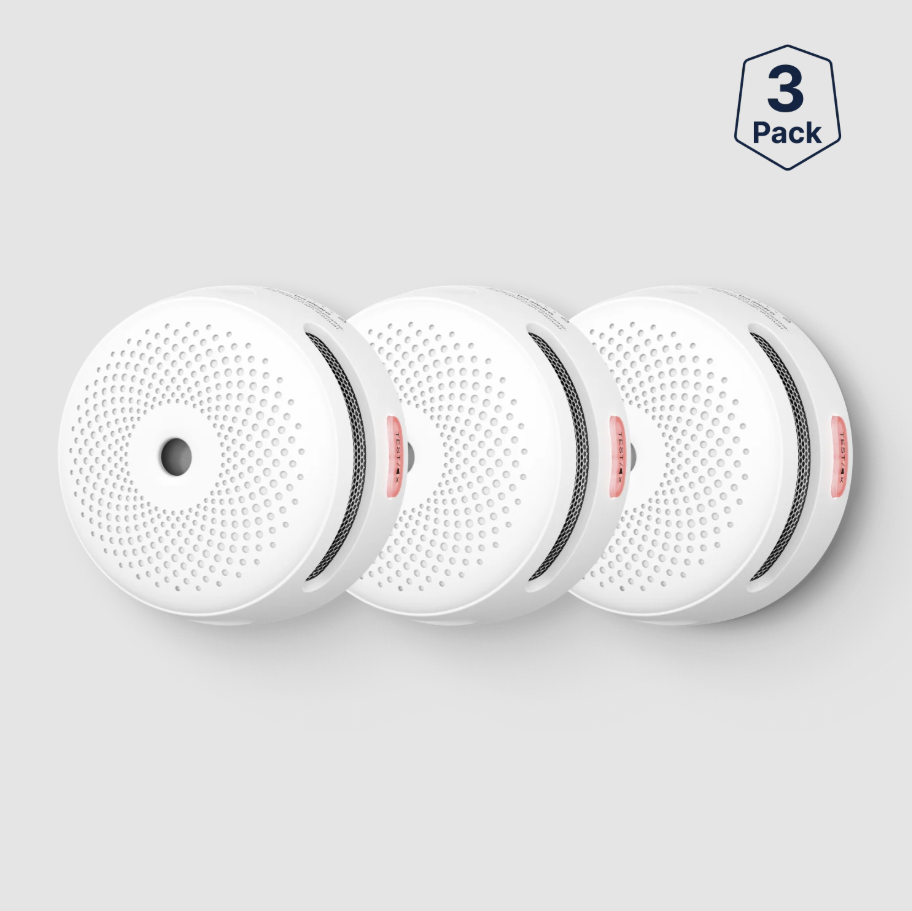
X-Sense XS01-WX Smart Smoke Alarm - 2.4 GHz Wi-Fi Photoelectric Fire Detector with Mobile App Alerts
$65.99 $109.99
11% OFF

VitaUp Beet Root Gummies with CoQ10 & Grape Seed - Nitric Oxide Circulation Support (60 Count)
$24.91 $27.91

Sealy 2-Pack Tritech 16" Twin Inflatable Air Mattress with Built-in AC Pump
$0 $113.99
20% OFF

INTEX Prism Frame 20ft x 52in Above Ground Pool Set - Round Steel Frame Swimming Pool
$695.99 $869.99

Gardner Pet 43" Heavy Duty Dog Crate with Wheels - Indestructible Folding Metal Cage (Black)
$0 $149.99




-

Diary of a CEO’s Steven Bartlett and John Lennox discuss AI, faith and the search for meaning
-

Belfast churches 'heartbroken' over unrest
-

Is there a two-tier Britain?
-

Churches must disciple well and listen well in response to rise of Christian nationalism
-

Biblical models and the creation of King Arthur
-

Welsh reverend speaks of culture of fear over LGBT issues
Most Popular
News

Gloucester churches come together to bless River Avon amid pollution concerns
It is part of a broader campaign against river pollution as concerns remain about the amount of untreated sewage in the Avon.

Life beyond burnout: how Christians can grow in the desert seasons
Christian Today speaks to author and Anglican priest Tish Harrison Warren about growth in desert seasons and why the Church shouldn’t treat all spiritual weariness as a problem to fix.

Iranian-born bishop stands in solidarity with Britain's Jews
2025 had the second highest number of antisemitic incidents on record.

Bishops protest Israeli arrest of another Palestinian Christian
An Evangelical Lutheran has been accused of "promoting terrorist activities".
MANSPOT Electric Pubic Hair Trimmer - Waterproof Body and Groin Shaver for Men and Women (Black)
$20.39
Lick-Safe Dog Paw and Nose Balm Stick - All-Natural Moisturizer with Coconut Oil for Dry, Cracked Pads and Snout
$11.69
Men's Quick Dry Moisture Wicking Polo Shirt - High Elasticity Slim Fit Athletic Top (Runs Small)
$6.99
Men's Running Shorts with Zipper Pockets - Lightweight, Quick-Dry, Multi-Sport
$12.95
NEWFAST NF-RE523 AC1200 WiFi Extender - 1200Mbps Dual Band Signal Booster & Internet Repeater
$18.5
G Gradual Men's 7-inch Workout Running Shorts - Lightweight, Quick-Dry, Comfort
$12.91
NOVETE Under Sink Water Filter - 3 Years, 30,000 Gallons, High-Efficiency Filtration
$41.99
HDPE All-Weather Adirondack Chair with Built-In Cup Holder - Tool-Free Assembly (Grey)
$69.99
HOMETUK Clear Plastic Storage Bins with Dividers - 3-Pack Stackable Acrylic Organizer Containers for Fridge and Pantry
$19.99
G Gradual Men's Fishing Shirt - UPF 50+ Lightweight Short Sleeve Button Down with Zipper Pockets
$14.99
Everyfun 60" Rectangular Platform Tree Swing - 700lbs Heavy Duty Adjustable Outdoor Swing (Colorful)
$49.99
Ekouaer Women's Casual Loose Jumpsuit - One-Piece Printed Sleeveless Wide Leg Romper with Pockets
$14.99
Men's Athletic Running Shorts with Zipper Pockets - Lightweight & Quick Dry
$12.74
Modern Ceiling Fan with Light and Remote - Reversible Quiet DC Motor
$69.3
MOOKA H13 True HEPA Air Purifier for Home Large Room - 1076 sq ft Odor Eliminator
$39.97
X-Sense XS01-WX Smart Smoke Alarm - 2.4 GHz Wi-Fi Photoelectric Fire Detector with Mobile App Alerts
$65.99
VitaUp Beet Root Gummies with CoQ10 & Grape Seed - Nitric Oxide Circulation Support (60 Count)
$24.91
Sealy 2-Pack Tritech 16" Twin Inflatable Air Mattress with Built-in AC Pump
$0
INTEX Prism Frame 20ft x 52in Above Ground Pool Set - Round Steel Frame Swimming Pool
$695.99
Gardner Pet 43" Heavy Duty Dog Crate with Wheels - Indestructible Folding Metal Cage (Black)
$0