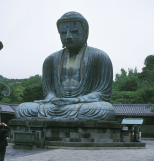
A New Zealand bar manager on Friday pleaded not guilty in a Myanmar court to charges of insulting religion after publishing a psychedelic image of Buddha wearing headphones to promote his bar in Yangon.
The case comes amid a surge in Buddhist nationalism in Myanmar - which emerged in 2011 from half a century of military rule - with monks forming groups aimed at promoting the country's Buddhist character.
New Zealander Phil Blackwood was charged earlier this month, along two local men, over the publication of a poster promoting cheap drinks at his bar. If found guilty, they face up to four years in jail.
Blackwood told the court he had removed the image from the bar's Facebook page, and posted an apology once he realized that it was being shared widely online, provoking outrage.
"I believe the law says the act must be deliberate, require malice with intent to offend," Blackwood said. "I have said a number of times, there was no intent."
Blackwood's lawyer, Mya Thway, said he had received anonymous messages on Facebook threatening to cut him to pieces and burn him because he'd taken on the case.
In a similar case, a prominent former official with the main opposition party was detained earlier this month after he made a speech he said was intended to discourage extremist interpretations of Buddhism.
Myanmar's semi-civilian government has lifted restrictions on freedoms of speech, association and media, but reforms have been accompanied by a rise in Buddhist nationalism.
The main target of the Buddhist nationalist movement has been the country's Muslims, who make up about 5 percent of its 53 million people. Sectarian violence since June 2012 has killed at least 240 people, mostly Muslims.
Parliament is set to debate a package of laws, including regulations on religious conversions and interfaith marriages, which were initially proposed by the Committee to Protect Race and Religion, one of the main Buddhist nationalist groups.