Liberia has been declared Ebola-free by the World Health Organisation (WHO), 42 days after the last person, a woman, was confirmed to have died of the virus on March 27.
The WHO said in a statement today: "The outbreak of Ebola virus disease in Liberia is over." It was described as a "monumental achievement" for a country that reported the highest number of deaths in the largest, longest, and most complex outbreak since Ebola first emerged in 1976.
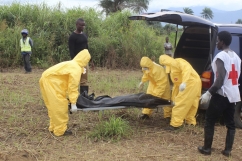
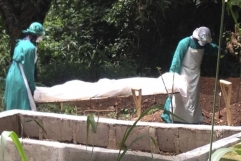
At its peak, in August and September last year, the country was reporting between 300 to 400 new cases a week and the capital Monrovia witnessed tragic scenes of gates locked at overflowing treatment centres, patients dying on the hospital grounds and bodies that were sometimes not collected for days.
At one point, almost no treatment beds for Ebola patients were available anywhere in the country and there were fears the virus might become endemic.
The WHO said: "It is a tribute to the government and people of Liberia that determination to defeat Ebola never wavered, courage never faltered. Doctors and nurses continued to treat patients, even when supplies of personal protective equipment and training in its safe use were inadequate."
Altogether, 375 health workers were infected and 189 died.
Liberian President Ellen Johnson Sirleaf told the BBC that Liberia had "crossed the Rubicon". She said: "We will celebrate our communities which have taken responsibility and participated in fighting this unknown enemy and finally we've crossed the Rubicon. Liberia indeed is a happy nation."
Earlier, WHO reported that the number of Ebola cases in Guinea and Sierra Leone last week dropped to 18, the lowest total this year. In Guinea, of nine of the new cases, five were only discovered after the victims died. In Sierra Leone, two of the nine new cases last week were identified as contacts of previous Ebola patients.
Ebola is believed to have killed more than 11,000 in this outbreak, nearly all in West Africa.