
Iraq's political leaders were set to meet on Saturday to try to end an impasse that has stymied national reconciliation efforts and left Prime Minister Nuri al-Maliki's national unity government in tatters.
Maliki is under growing pressure from the United States, which is frustrated by negligible political progress while its troops are fighting and dying in intense summer heat to buy time for Iraqis to agree a real powersharing deal.
The leaders of Iraq's Shi'ites, Sunni Arabs and Kurds are unlikely to agree on all or many of the thorny issues up for discussion, but the make-or-break summit is likely to show whether they can finally put aside loyalty to sect or ethnic group to work together in the national interest.
A new alliance formed by the leading Shi'ite and Kurdish parties lacks credibility because they could not persuade any Sunni Arab parties to join it, observers said.
The summit will bring together Maliki, President Jalal Talabani, a Kurd, Sunni Vice President Tareq al-Hashemi, Shi'ite Vice President Adel Abdul-Mahdi, and Masoud Barzani, president of the semi-autonomous Kurdistan region.
"There is a possibility that the meeting could happen today to discuss the political situation," Rida Jawad al-Takki, a senior member of the ruling Shi'ite Alliance, told Reuters.
Two government officials, who declined to be named, confirmed that the meeting was due to take place on Saturday, possibly at 4 pm (1200 GMT).
"This week may witness a significant step which may help in solving the problems," one of the officials said.
The summit follows a series of meetings this week which led to the formation of a new alliance between the four leading Shi'ite and Kurdish parties, a cross-sectarian voting bloc in parliament aimed, said Maliki, at "shaking the political paralysis".
ADDRESSING DEMANDS
But the four parties were unable to persuade the biggest Sunni Arab party, the Iraqi Islamic Party, to join them, leading U.S. ambassador Ryan Crocker and other observers to question the credibility of an alliance without Sunni Arabs.
The Iraqi Islamic Party is the biggest party in the Accordance Front, the Sunni Arab bloc that pulled out of Maliki's cabinet last week in protest at his failure to address their demands for a greater say in government.
"Among the issues that will be addressed today are the demands of the Accordance Front and their participation in the government. So far, we feel that their decision of leaving is not final and could be reversed," the Iraqi official said.
A long-standing Sunni Arab demand for the constitution to be amended will also be discussed, he said.
Sunni Arabs, politically dominant under Saddam Hussein, have accused Maliki's government of marginalising them and have, since the U.S.-led invasion in 2003 toppled Saddam, formed the backbone of the insurgency.
Recently though, a number of tribal sheikhs have formed an alliance with the government against Sunni Islamist al Qaeda, a move that has helped to pacify restive Anbar province in Western Iraq, once the most dangerous region for U.S. troops.
Washington hopes that drawing Sunni Arabs more firmly into the political process and addressing their grievances will help ease sectarian tensions that have, by the most conservative count, killed tens of thousands and made millions hopeless.
It has urged Maliki to pass laws on sharing oil revenues and easing restrictions on former members of Saddam's Baath party serving in the army or civil service.
But Maliki has lost nearly half his cabinet since April: the Accordance Front and Shi'ite cleric Moqtada al-Sadr's movement have pulled out their ministers, and ministers loyal to former Iraqi Prime Minister Iyad Allawi are boycotting meetings.
50% OFF
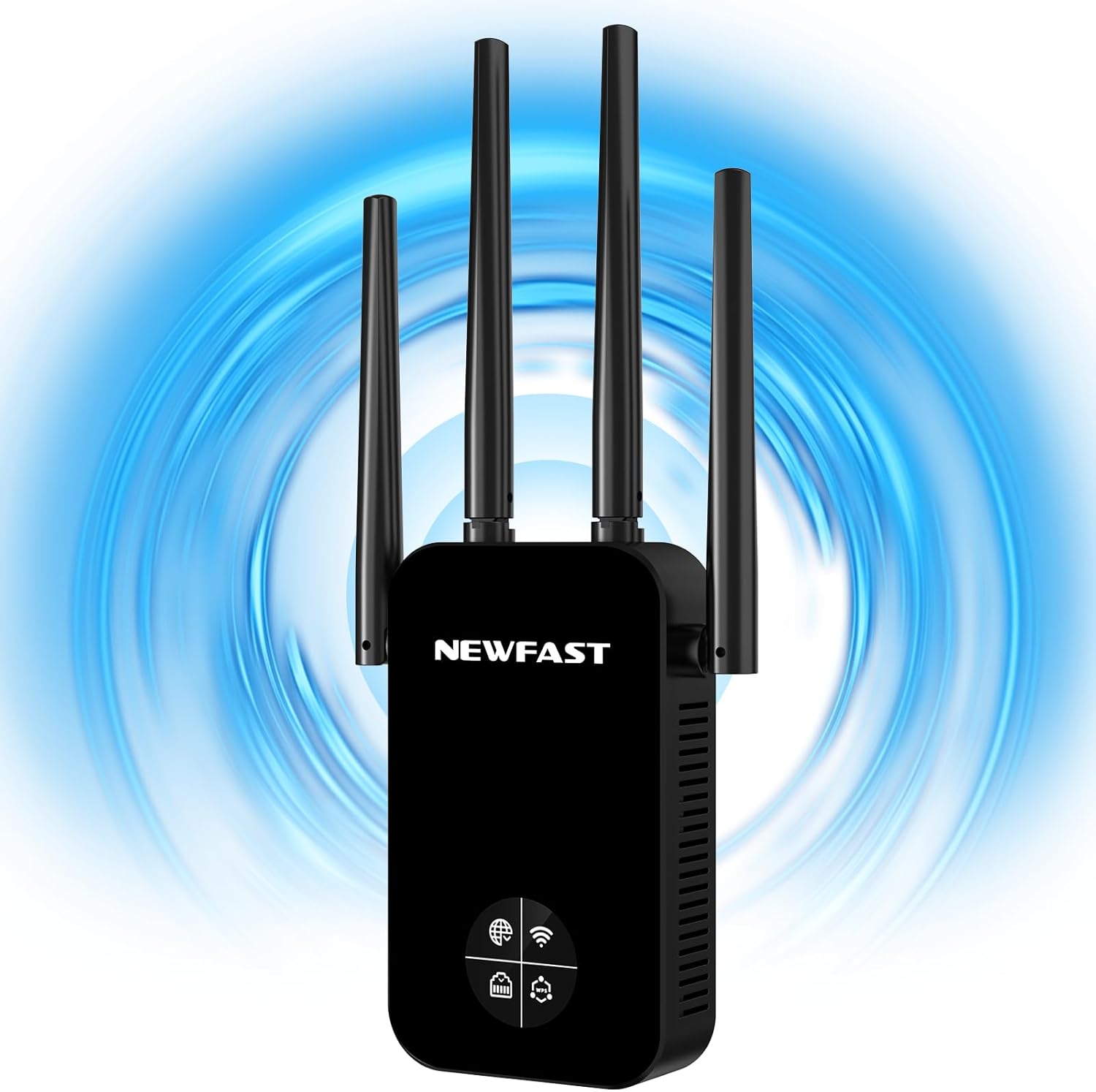
NEWFAST NF-RE523 AC1200 WiFi Extender - 1200Mbps Dual Band Signal Booster & Internet Repeater
$18.5 $36.99
48% OFF
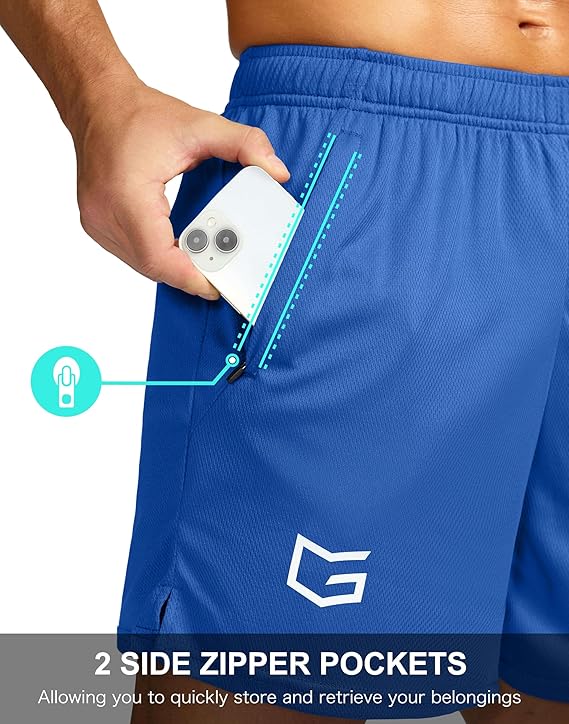
G Gradual Men's 7-inch Workout Running Shorts - Lightweight, Quick-Dry, Comfort
$12.91 $24.99
50% OFF

HDPE All-Weather Adirondack Chair with Built-In Cup Holder - Tool-Free Assembly (Grey)
$69.99 $139.99
60% OFF

HOMETUK Clear Plastic Storage Bins with Dividers - 3-Pack Stackable Acrylic Organizer Containers for Fridge and Pantry
$19.99 $49.99
58% OFF

G Gradual Men's Fishing Shirt - UPF 50+ Lightweight Short Sleeve Button Down with Zipper Pockets
$14.99 $35.99
55% OFF

Everyfun 60" Rectangular Platform Tree Swing - 700lbs Heavy Duty Adjustable Outdoor Swing (Colorful)
$49.99 $110.99
61% OFF

Ekouaer Women's Casual Loose Jumpsuit - One-Piece Printed Sleeveless Wide Leg Romper with Pockets
$14.99 $37.99
40% OFF
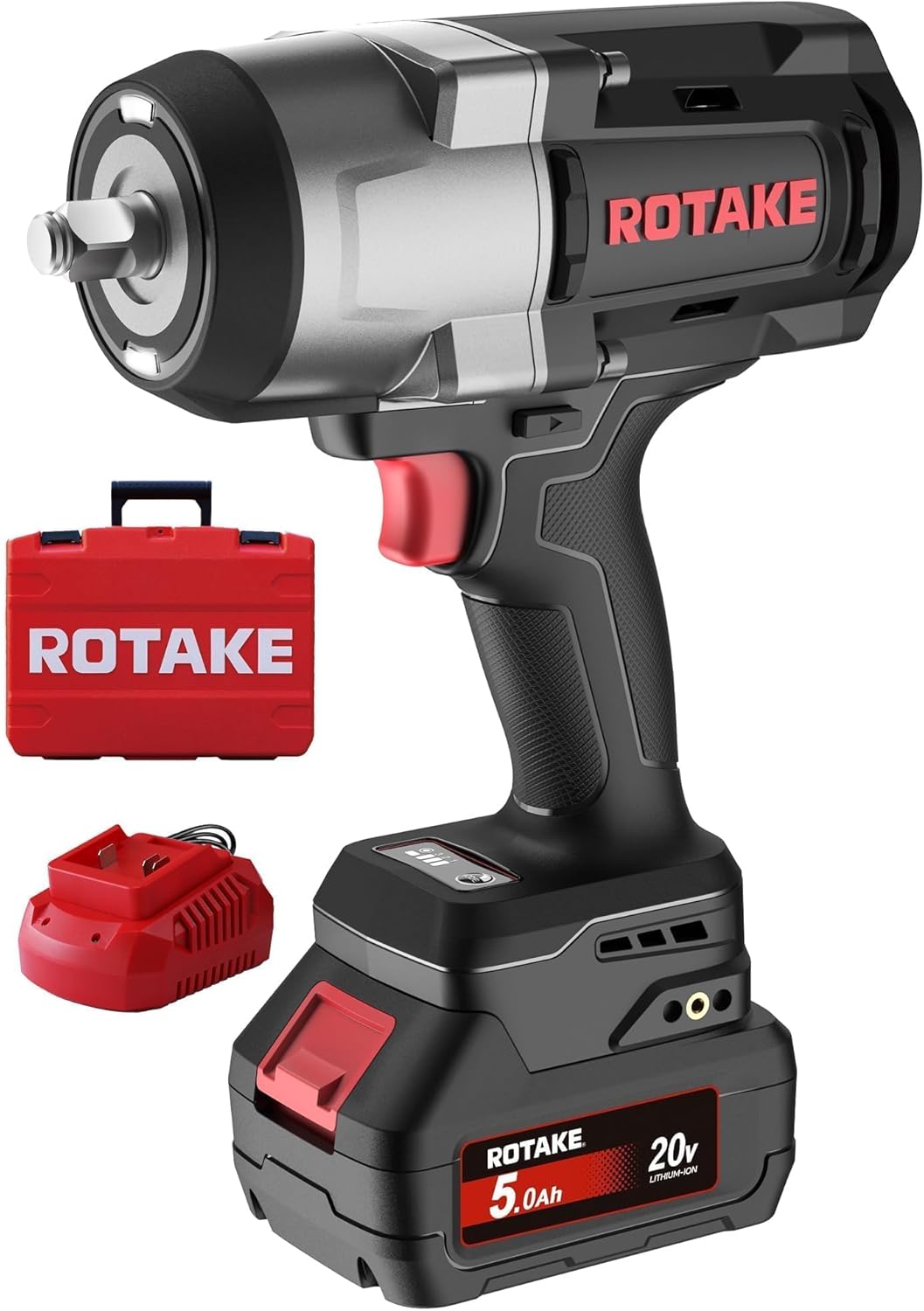
ROTAKE TB3 20V Heavy Duty 1/2" Cordless Impact Wrench Kit - 1380 Ft-Lbs Torque
$132 $219.99
36% OFF

Men's Athletic Running Shorts with Zipper Pockets - Lightweight & Quick Dry
$12.74 $19.99
61% OFF

Modern Ceiling Fan with Light and Remote - Reversible Quiet DC Motor
$69.3 $179.99
50% OFF

MOOKA H13 True HEPA Air Purifier for Home Large Room - 1076 sq ft Odor Eliminator
$39.97 $79.95
60% OFF

Ekouaer Women's Satin Silky Pajama Set - Short Sleeve Pullover Top & Wide-Leg Pants
$13.99 $34.99
55% OFF

Ekouaer 3-Piece Maternity & Nursing Pajamas Set - Short Sleeve Top with Shorts and Pants
$14.99 $32.99
11% OFF

VitaUp Beet Root Gummies with CoQ10 & Grape Seed - Nitric Oxide Circulation Support (60 Count)
$24.91 $27.91

Sealy 2-Pack Tritech 16" Twin Inflatable Air Mattress with Built-in AC Pump
$0 $113.99
20% OFF

INTEX Prism Frame 20ft x 52in Above Ground Pool Set - Round Steel Frame Swimming Pool
$695.99 $869.99

Gardner Pet 43" Heavy Duty Dog Crate with Wheels - Indestructible Folding Metal Cage (Black)
$0 $149.99
12% OFF

Elegant Mid-Century Modern Bar Stools - Set of 4
$395.99 $449.99
23% OFF

Ergonomic Office Chair - Big and Tall Desk Chair with Adjustable Lumbar Support
$279.99 $363.99
26% OFF

Magnelex American Flag Windshield Sun Shade - High-Resolution UV Reflective Heat Shield (X-Large)
$19.9 $26.9




-

Historic Lancashire church secures £250,000 National Lottery grant for major roof repairs
-
Sunderland Minster PCC was right to push back over trans toilet sign
-

Report warns religious freedom protections in Mexico exist largely ‘on paper’
-

Bethel Church distances itself from Todd Bentley and Mike Bickle
-

Christian police officer reaches settlement over diversity training discrimination claim
-
Turkey's hidden Christian past: Extraordinary discoveries are rewriting the story of early Christianity
Most Popular
News

Pride and the Gospel: the way of self or the way of Christ?
As Christians, our understanding of pride is shaped not primarily by culture, but by Scripture.
Campaign urging greater support for Christian education
Unite for Education founder, Niel Deepnarain, said Christians must be willing to engage publicly with educational issues rather than remain silent.
Welsh reverend speaks of culture of fear over LGBT issues
Many people have already left the Church in Wales over its stance on same-sex relationships, an evangelical leader has said.

Reddit users declare small Welsh church best place in the world
Users voted to eliminate one half of a map until only one location remained.
NEWFAST NF-RE523 AC1200 WiFi Extender - 1200Mbps Dual Band Signal Booster & Internet Repeater
$18.5
G Gradual Men's 7-inch Workout Running Shorts - Lightweight, Quick-Dry, Comfort
$12.91
HDPE All-Weather Adirondack Chair with Built-In Cup Holder - Tool-Free Assembly (Grey)
$69.99
HOMETUK Clear Plastic Storage Bins with Dividers - 3-Pack Stackable Acrylic Organizer Containers for Fridge and Pantry
$19.99
G Gradual Men's Fishing Shirt - UPF 50+ Lightweight Short Sleeve Button Down with Zipper Pockets
$14.99
Everyfun 60" Rectangular Platform Tree Swing - 700lbs Heavy Duty Adjustable Outdoor Swing (Colorful)
$49.99
Ekouaer Women's Casual Loose Jumpsuit - One-Piece Printed Sleeveless Wide Leg Romper with Pockets
$14.99
ROTAKE TB3 20V Heavy Duty 1/2" Cordless Impact Wrench Kit - 1380 Ft-Lbs Torque
$132
Men's Athletic Running Shorts with Zipper Pockets - Lightweight & Quick Dry
$12.74
Modern Ceiling Fan with Light and Remote - Reversible Quiet DC Motor
$69.3
MOOKA H13 True HEPA Air Purifier for Home Large Room - 1076 sq ft Odor Eliminator
$39.97
Ekouaer Women's Satin Silky Pajama Set - Short Sleeve Pullover Top & Wide-Leg Pants
$13.99
Ekouaer 3-Piece Maternity & Nursing Pajamas Set - Short Sleeve Top with Shorts and Pants
$14.99
VitaUp Beet Root Gummies with CoQ10 & Grape Seed - Nitric Oxide Circulation Support (60 Count)
$24.91
Sealy 2-Pack Tritech 16" Twin Inflatable Air Mattress with Built-in AC Pump
$0
INTEX Prism Frame 20ft x 52in Above Ground Pool Set - Round Steel Frame Swimming Pool
$695.99
Gardner Pet 43" Heavy Duty Dog Crate with Wheels - Indestructible Folding Metal Cage (Black)
$0
Elegant Mid-Century Modern Bar Stools - Set of 4
$395.99
Ergonomic Office Chair - Big and Tall Desk Chair with Adjustable Lumbar Support
$279.99
Magnelex American Flag Windshield Sun Shade - High-Resolution UV Reflective Heat Shield (X-Large)
$19.9