
|PIC1|Gospel music album sales experienced a double-digit percent increase in sales at the mid-year point in 2006, compared to the first half of 2005, according to Nielsen SoundScan.
This marks the first time since 2002 that gospel music sales have risen in the first half of the year.
John W. Styll, president of the Gospel Music Association (GMA) says the total sales impact of gospel music adds up to a reason for rejoicing.
“The first half of 2006 has been encouraging for gospel music,” said Styll. “It is especially good news that the growth extends to a wide diversity of albums and styles, suggesting that the inspiring and compassionate message that unifies all gospel music is resonating in our culture today.”
As of July 2, 2006, 17,952,000 gospel music albums, including those sold via digital download, have been sold year-to-date compared to 16,085,000 albums for the same six-month time period in 2005. That represents an 11.6 percent increase in sales in a 2005 to 2006 year-to-date comparison. In contrast, the overall music business reports a four percent decline in album sales.
|AD|Legal music downloads are accounting for a continually larger piece of overall gospel music sales. Of the total albums sold in the first half of the year, 502,000 were purchased digitally compared to 191,000 albums downloaded in 2005, a nearly 163 percent growth in digital album sales from the first half of 2005 compared with the first half of 2006.
As for individual digital tracks, 2,688,000 songs were sold through digital downloads for the same time period compared to 1,989,000 last year, a 35 percent increase. The top-selling digital track so far in 2006 is “Beautiful Love” by The Afters.
According to Styll, no trend or style of gospel music has sparked the sales growth. “Take any album’s individual success out of the charts and gospel music sales are still up. Both seasoned artists and new names are finding their way onto the charts. Consumers are buying gospel music where they want to buy music, whether at a Christian store, a general market retailer or on their computer. If there is any explanation behind the growth trend, it might be that we are seeing more acceptance in the marketplace for the gospel message, and hopefully, we are also finally experiencing a decline in music piracy,” he said.




-

Wes Huff confesses to plagiarism, asks for prayer: 'It was sinful'
-

Jonathan Aitken says Russell Brand asked him for prayer after rape conviction
-

Where is this ‘space for faith’ that the King speaks of?
-

Attacks on Christians in Europe rise by 44%, report finds
-

‘Beyond astonishing’ that schools are encouraging children to play GTA 6, Christian group says
-

Christ’s example offers lasting hope in uncertain times, King tells Church of England Synod
Most Popular
related articles
Get in the Mix: GMA Week 2006
The GMA (Gospel Music Association) week will be held at Music City in the Nashville Convention Centre in Tennessee, April 1-5, 2006. Over 3000 will attend GMA week...
GMA Announces Radio Station of the Year Winners
The Gospel Music Association (GMA) announced on Tuesday the winners of the 2006 GMA/Christian Music Broadcasters (CMB) Radio Station of the Year awards, with Houston’s KSBJ...
Britain’s Largest Outdoor Gospel Festival Takes Place in London
Britain’s largest outdoor gospel music festival will take place in London on Sunday 23 July at Tooting Bec Common....
News
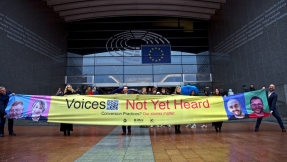
Christian prosecuted in Malta asks European Parliament to oppose bans on conversion practices
Matthew Grech spent three years fighting criminal proceedings before finally being acquitted this year.

Christian freedoms 'under attack in Europe', US Congress hears
Religious freedom lawyer Jeremy Tedesco said there was "growing state censorship of Christians" in Europe, including the UK where Christians have been prosecuted for silent prayer.

Does the BBC understand worship?
As a Christian minister who values both the BBC’s religion output, and the community role played by its network of local radio stations, this latest move seems wrong in so many ways.
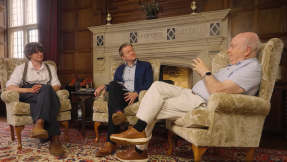
John Lennox says there is enough evidence to take Christianity seriously
Speaking with agnostic YouTuber Joe Folley, Oxford mathematician John Lennox argued that the historical evidence for Jesus’ resurrection is enough of a reason for sceptics to explore whether his promises hold true in their own lives.





