
Bishop Mark MacDonald, the Anglican Church of Canada's first National Indigenous Bishop, is on the job and full of energy. After much delay, including leg surgery and moving his family from Alaska to Toronto, the 53-year-old Bishop is finally at his desk at 80 Hayden Street, typing away on his laptop and planning out the fall.
"You know, we're just in the first portion in what will be a long and large arc," said Bishop MacDonald in a recent interview.
It's an arc that began in the 1960s when the Anglican Church of Canada started to analyse its relationship with aboriginals. Over the next few decades, aboriginal Anglican groups developed a vision for a National Indigenous Bishop, and in 2005 the Anglican Indigenous Sacred Circle decided to ask then-Primate Archbishop Andrew Hutchison to appoint someone to the position.
Last January, the Primate announced the appointment of Bishop MacDonald, who was then Bishop of Alaska and Navajoland with the US Episcopal Church.
In some ways, his job description is clear: the Bishop will represent Canadian aboriginals in the larger Church, and help interpret and navigate Church systems to and for them. Yet this job is an unprecedented historical step.
"I don't think that anybody really has a good handle on what it is exactly, in any kind of organisational way," said Bishop MacDonald. "But I think over the long term it's going to be extraordinary."
To discern his direction, Bishop MacDonald will spend time talking to aboriginal Anglicans over the next few months. "Simply imposing somebody's great idea will probably be destructive and oppressive," he said. "I'm sure that a combination of my ideas and a few thousand people I'll be talking to over the next few years will be where the ideas come from."
In July, Bishop MacDonald visited Kingfisher Lake First Nation, north of Kenora, Ontario, in the diocese of Keewatin, where he taught at a summer ministry school, performed his first confirmations as bishop, and played guitar at a gospel jamboree. Moosonee and Rupert's Land are the dioceses he will visit next, and a Council of the North meeting in Edmonton is up for the end of September.
But a full day planner is not what gets Bishop MacDonald excited. It's aboriginal Anglicans.
He calls aboriginals an "extraordinary gift" to Anglicanism, and he has seen how both traditions can enhance each other. "It's exciting for people like me, who have been deeply enriched by native communities, traditions, and ways of living, to see the essences of those things merge with the essence of the gospel," he said. "It's a powerful and wonderful thing and makes life worthwhile."
Bishop MacDonald is also excited about how a National Indigenous Bishop could represent a more ecological worldview, and he recently wrote an article on the topic. He said it's an "extraordinary thought, a bishop who would speak for that living relationship between people and earth."
So where are the National Indigenous Bishop and aboriginal Anglicans headed? "We want to go where the gospel takes us," Bishop MacDonald said, "to be a gospel-centered, gospel-based, gospel-motivated, and gospel-carried people."
He also offers this vision: "What we're really talking about is the living, loving, powerful, beautiful love of God that gives beauty to the earth and coherence to it, becoming more manifestly, visibly real in native communities, in such a way that the hungry are fed and the oppressed are set free, in such a way that we have an impact on the horrendous statistics that keep coming out of First Nations communities. Our vision, I think, is nothing less than the reality of God becoming more visible and tangible and people's lives being changed and touched."
Bishop Mark MacDonald has ministered in many congregations, including ones in Mississauga, Ontario, Duluth, Minnesota, and Portland, Oregon. He has served on many boards, written numerous books and articles, and is a third order Franciscan. He and his wife Virginia Sha Lynn have three children.
[Source: ACC News]
49% OFF
MANSPOT Electric Pubic Hair Trimmer - Waterproof Body and Groin Shaver for Men and Women (Black)
$20.39 $40
25% OFF

Lick-Safe Dog Paw and Nose Balm Stick - All-Natural Moisturizer with Coconut Oil for Dry, Cracked Pads and Snout
$11.69 $15.59
77% OFF
Men's Quick Dry Moisture Wicking Polo Shirt - High Elasticity Slim Fit Athletic Top (Runs Small)
$6.99 $29.99
46% OFF
Men's Running Shorts with Zipper Pockets - Lightweight, Quick-Dry, Multi-Sport
$12.95 $23.99
50% OFF

NEWFAST NF-RE523 AC1200 WiFi Extender - 1200Mbps Dual Band Signal Booster & Internet Repeater
$18.5 $36.99
48% OFF
G Gradual Men's 7-inch Workout Running Shorts - Lightweight, Quick-Dry, Comfort
$12.91 $24.99
30% OFF
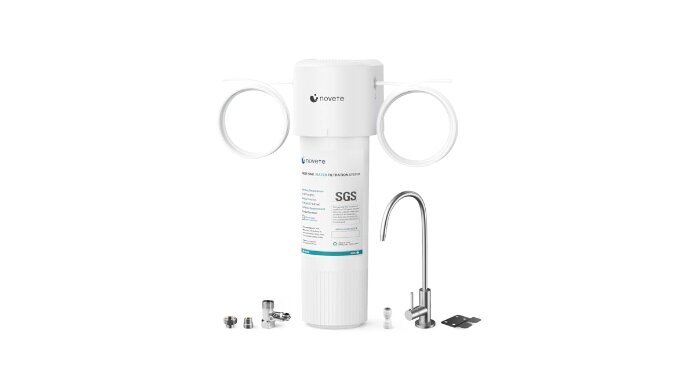
NOVETE Under Sink Water Filter - 3 Years, 30,000 Gallons, High-Efficiency Filtration
$41.99 $59.99
50% OFF
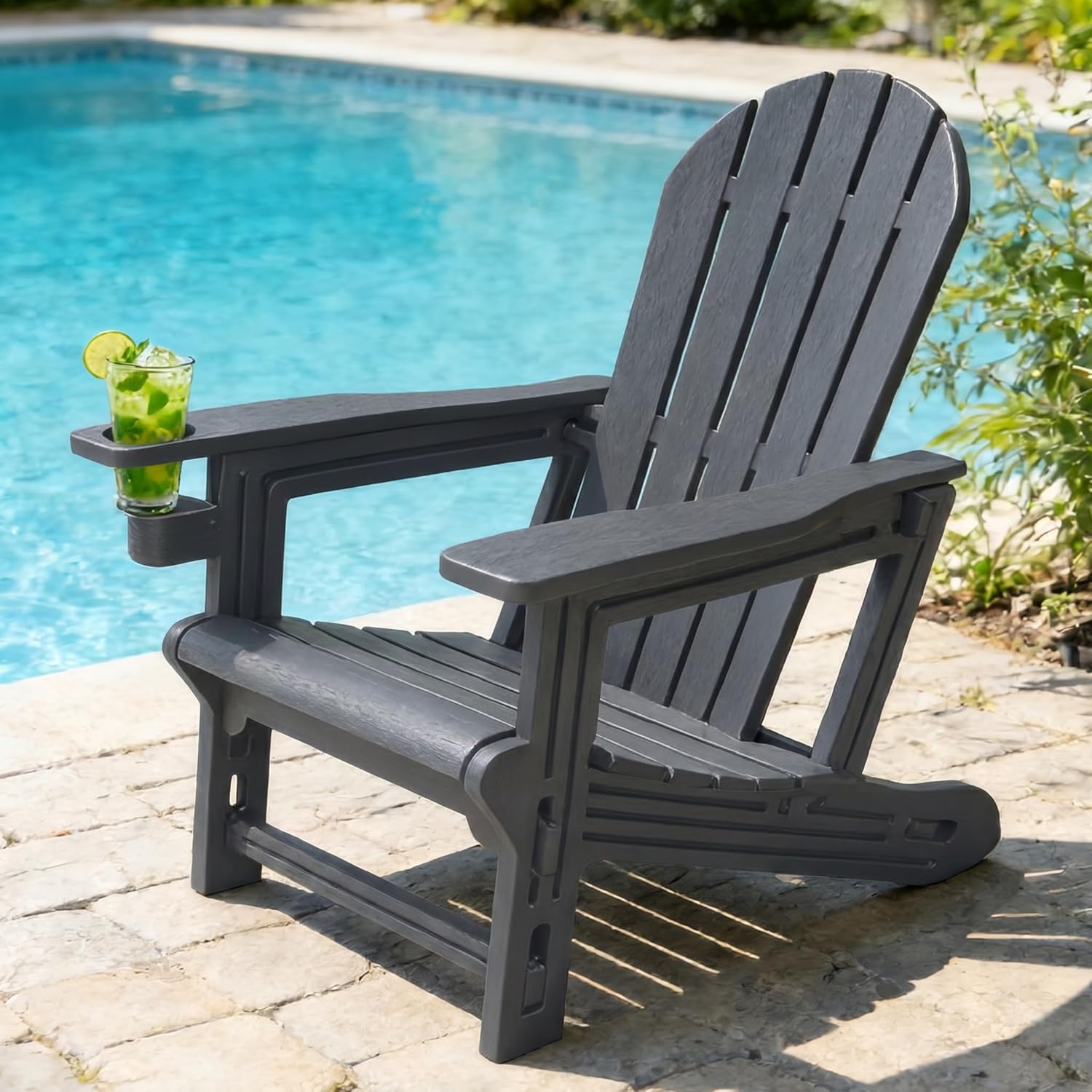
HDPE All-Weather Adirondack Chair with Built-In Cup Holder - Tool-Free Assembly (Grey)
$69.99 $139.99
60% OFF

HOMETUK Clear Plastic Storage Bins with Dividers - 3-Pack Stackable Acrylic Organizer Containers for Fridge and Pantry
$19.99 $49.99
58% OFF
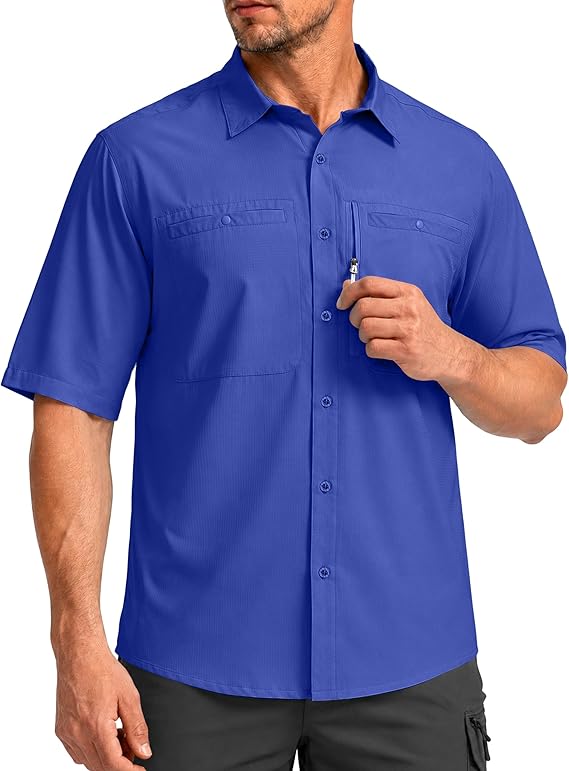
G Gradual Men's Fishing Shirt - UPF 50+ Lightweight Short Sleeve Button Down with Zipper Pockets
$14.99 $35.99
55% OFF
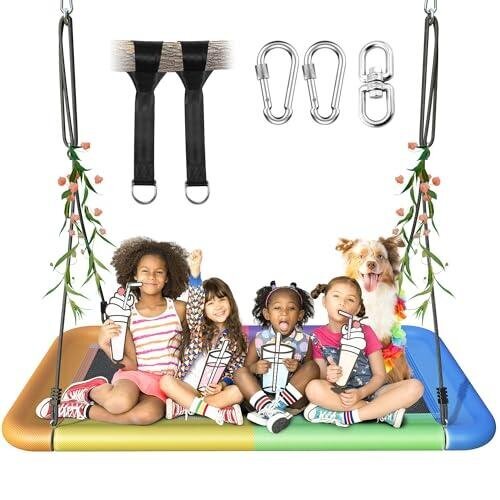
Everyfun 60" Rectangular Platform Tree Swing - 700lbs Heavy Duty Adjustable Outdoor Swing (Colorful)
$49.99 $110.99
61% OFF
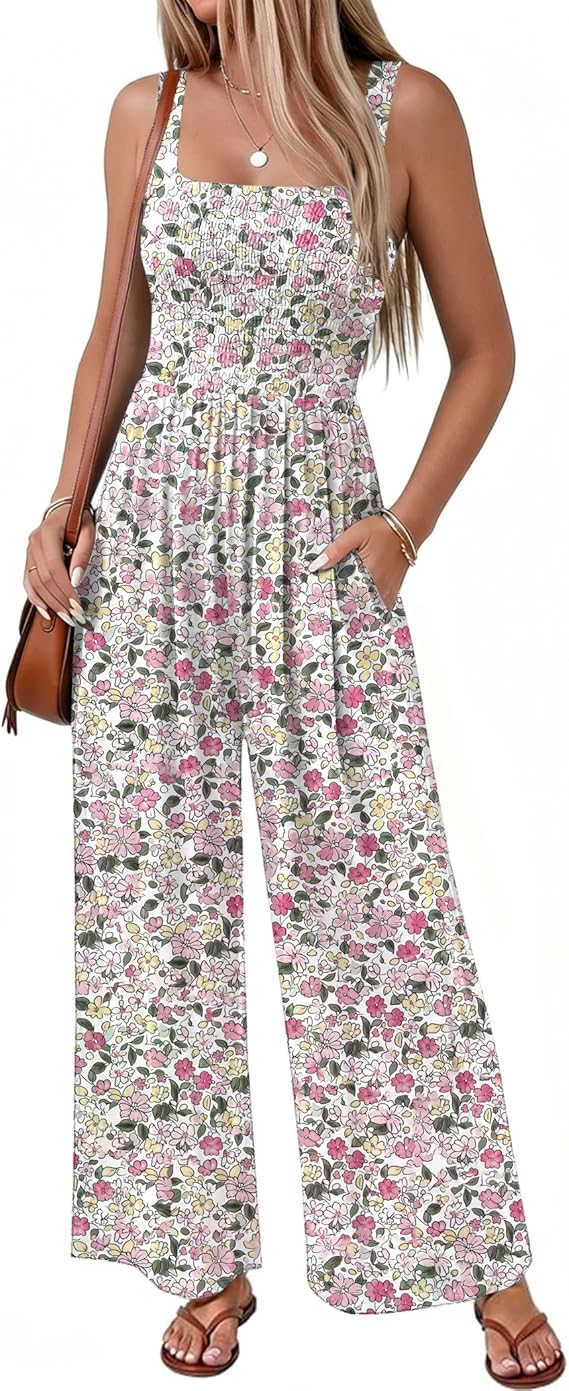
Ekouaer Women's Casual Loose Jumpsuit - One-Piece Printed Sleeveless Wide Leg Romper with Pockets
$14.99 $37.99
36% OFF
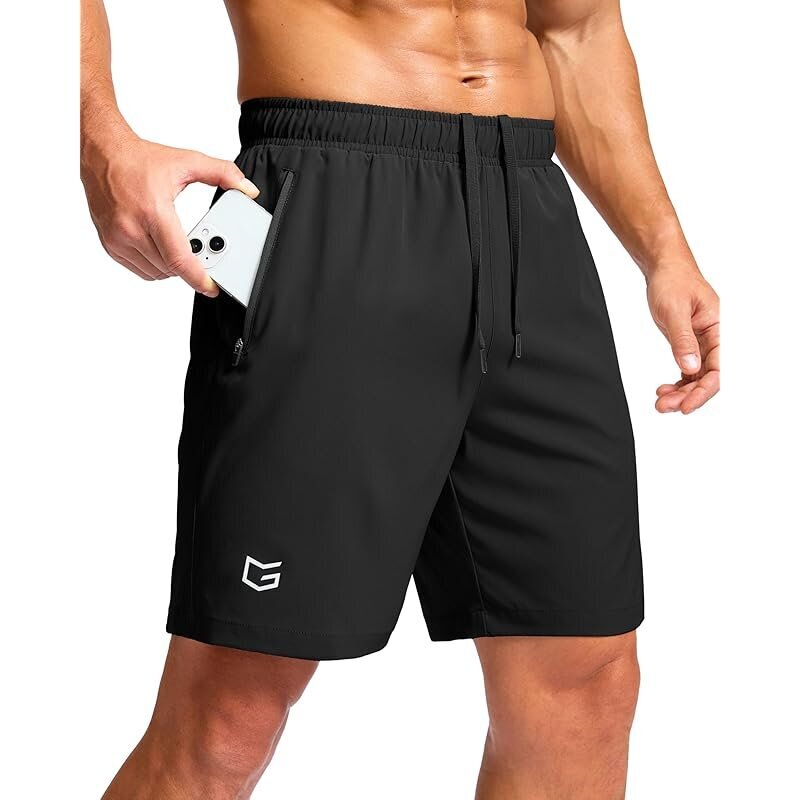
Men's Athletic Running Shorts with Zipper Pockets - Lightweight & Quick Dry
$12.74 $19.99
61% OFF
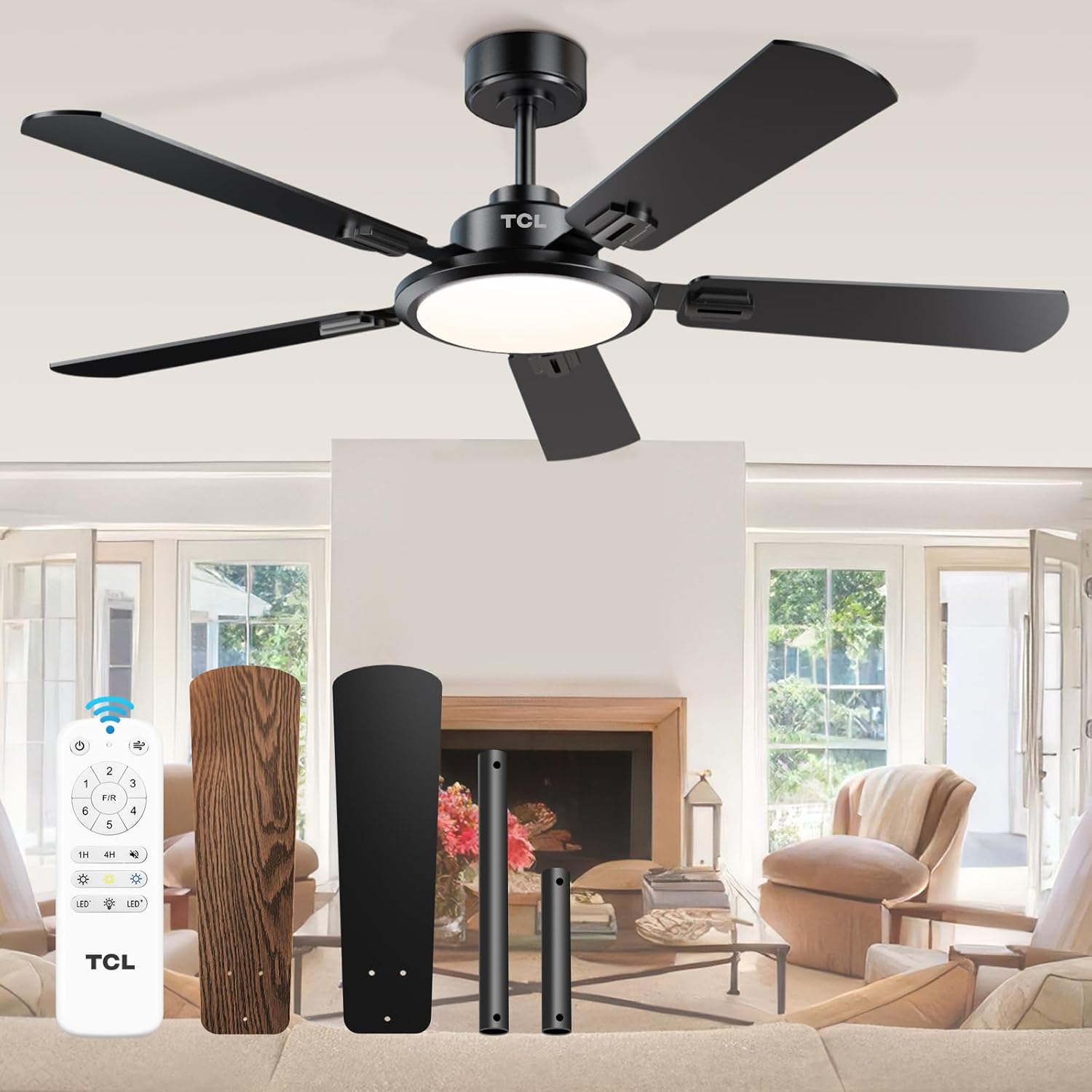
Modern Ceiling Fan with Light and Remote - Reversible Quiet DC Motor
$69.3 $179.99
50% OFF

MOOKA H13 True HEPA Air Purifier for Home Large Room - 1076 sq ft Odor Eliminator
$39.97 $79.95
40% OFF
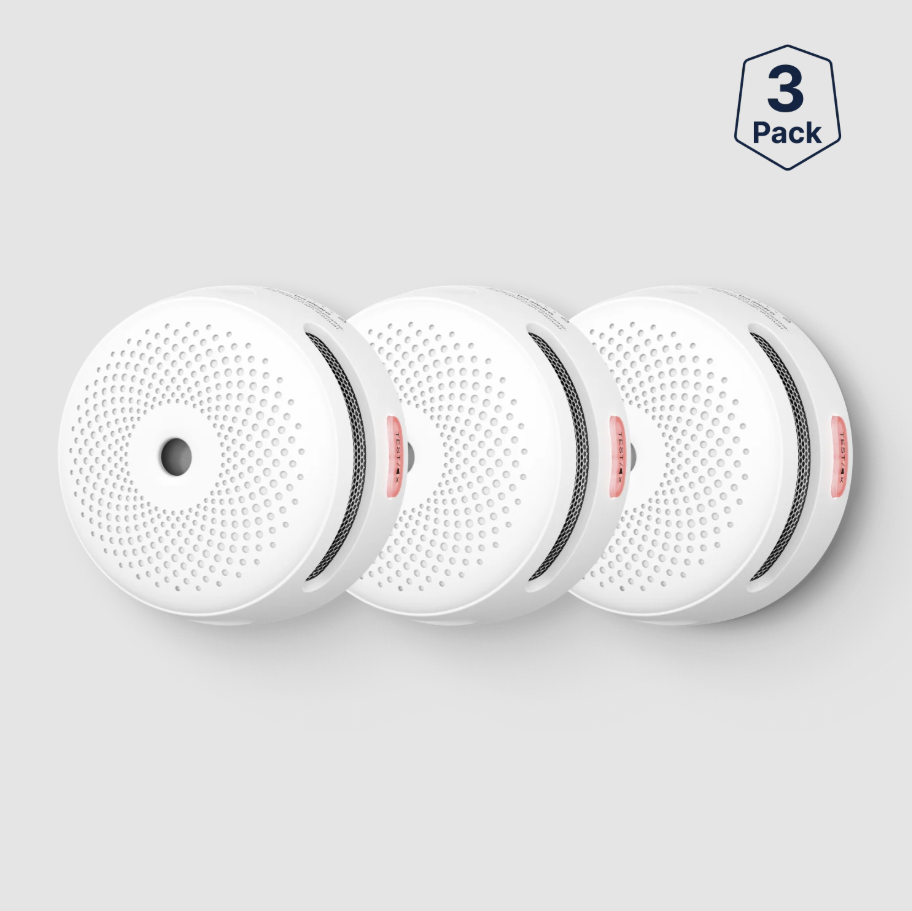
X-Sense XS01-WX Smart Smoke Alarm - 2.4 GHz Wi-Fi Photoelectric Fire Detector with Mobile App Alerts
$65.99 $109.99
11% OFF

VitaUp Beet Root Gummies with CoQ10 & Grape Seed - Nitric Oxide Circulation Support (60 Count)
$24.91 $27.91
Sealy 2-Pack Tritech 16" Twin Inflatable Air Mattress with Built-in AC Pump
$0 $113.99
20% OFF
INTEX Prism Frame 20ft x 52in Above Ground Pool Set - Round Steel Frame Swimming Pool
$695.99 $869.99

Gardner Pet 43" Heavy Duty Dog Crate with Wheels - Indestructible Folding Metal Cage (Black)
$0 $149.99




-

Diary of a CEO’s Steven Bartlett and John Lennox discuss AI, faith and the search for meaning
-

Belfast churches 'heartbroken' over unrest
-

Is there a two-tier Britain?
-

Churches must disciple well and listen well in response to rise of Christian nationalism
-

Welsh reverend speaks of culture of fear over LGBT issues
-

South Wales Police back down on imposing Islamic 'blasphemy law'
Most Popular
News

Anti-Christian hate crimes across Europe surge in May as arson attacks reach 2026 high
Anti-Christian incidents across Europe rose sharply in May, with new figures showing the highest monthly number of arson-related attacks recorded so far this year.

Gloucester churches come together to bless River Avon amid pollution concerns
It is part of a broader campaign against river pollution as concerns remain about the amount of untreated sewage in the Avon.

Life beyond burnout: how Christians can grow in the desert seasons
Christian Today speaks to author and Anglican priest Tish Harrison Warren about growth in desert seasons and why the Church shouldn’t treat all spiritual weariness as a problem to fix.

Iranian-born bishop stands in solidarity with Britain's Jews
2025 had the second highest number of antisemitic incidents on record.
MANSPOT Electric Pubic Hair Trimmer - Waterproof Body and Groin Shaver for Men and Women (Black)
$20.39
Lick-Safe Dog Paw and Nose Balm Stick - All-Natural Moisturizer with Coconut Oil for Dry, Cracked Pads and Snout
$11.69
Men's Quick Dry Moisture Wicking Polo Shirt - High Elasticity Slim Fit Athletic Top (Runs Small)
$6.99
Men's Running Shorts with Zipper Pockets - Lightweight, Quick-Dry, Multi-Sport
$12.95
NEWFAST NF-RE523 AC1200 WiFi Extender - 1200Mbps Dual Band Signal Booster & Internet Repeater
$18.5
G Gradual Men's 7-inch Workout Running Shorts - Lightweight, Quick-Dry, Comfort
$12.91
NOVETE Under Sink Water Filter - 3 Years, 30,000 Gallons, High-Efficiency Filtration
$41.99
HDPE All-Weather Adirondack Chair with Built-In Cup Holder - Tool-Free Assembly (Grey)
$69.99
HOMETUK Clear Plastic Storage Bins with Dividers - 3-Pack Stackable Acrylic Organizer Containers for Fridge and Pantry
$19.99
G Gradual Men's Fishing Shirt - UPF 50+ Lightweight Short Sleeve Button Down with Zipper Pockets
$14.99
Everyfun 60" Rectangular Platform Tree Swing - 700lbs Heavy Duty Adjustable Outdoor Swing (Colorful)
$49.99
Ekouaer Women's Casual Loose Jumpsuit - One-Piece Printed Sleeveless Wide Leg Romper with Pockets
$14.99
Men's Athletic Running Shorts with Zipper Pockets - Lightweight & Quick Dry
$12.74
Modern Ceiling Fan with Light and Remote - Reversible Quiet DC Motor
$69.3
MOOKA H13 True HEPA Air Purifier for Home Large Room - 1076 sq ft Odor Eliminator
$39.97
X-Sense XS01-WX Smart Smoke Alarm - 2.4 GHz Wi-Fi Photoelectric Fire Detector with Mobile App Alerts
$65.99
VitaUp Beet Root Gummies with CoQ10 & Grape Seed - Nitric Oxide Circulation Support (60 Count)
$24.91
Sealy 2-Pack Tritech 16" Twin Inflatable Air Mattress with Built-in AC Pump
$0
INTEX Prism Frame 20ft x 52in Above Ground Pool Set - Round Steel Frame Swimming Pool
$695.99
Gardner Pet 43" Heavy Duty Dog Crate with Wheels - Indestructible Folding Metal Cage (Black)
$0