
The World Evangelical Alliance (WEA) has welcomed the landmark global agreement on climate change struck at the UN Climate Change Conference in Bali, Indonesia on Saturday. It warned, however, that its success may be jeopardised if world governments fail to agree firm targets for reducing emissions by the time of the next major gathering in 2009.
A last minute compromise from the US cleared the way for agreement to be reached between the more than 180 countries gathered in Bali over the last two weeks charged with launching negotiations on a replacement to the Kyoto Protocol, which expires in 2012.
The new deal commits the US and China to global greenhouse goals for the first time, as well as a two-year process to negotiate further emissions cuts, to culminate in the adoption of a new agreement in Copenhagen in 2009.
Andy Atkins, the WEA's environment spokesperson and Policy Director at UK evangelical relief and development agency Tearfund, was among more than ten thousand participants at the conference.
Atkins disapproved western countries like Japan, Canada, the US and Australia for "playing hard ball" during negotiations, which slid into overtime on Friday and Saturday due to the US' opposition to Indian demands for greater leniency to be shown towards developing nations in the new deal.
While Atkins welcomed the new agreement as a sign of progress in tackling climate change on an international level, he criticised governments for rejecting a European Union proposal to bind industrialized countries to 25 - 40 per cent carbon emissions cuts by 2020.
"The stalling tactics of the Bush Administration and a few others snatched mediocrity from the jaws of resounding success," he said on Saturday.
"The good news is we have a process to negotiate further emissions cuts by 2020. Getting more than 180 countries to agree was no mean feat. But the fact that there is no agreement about exactly how far to cut emissions means the Bali roadmap is missing a vital signpost."
He added, "An ambitious, science-based target will have to be agreed by 2009 if the new agreement is not to be fatally flawed."
Further positive news followed in the finalising of a special Adaptation Fund, which has the potential to deliver significant funds to grassroots programmes to help poor communities adapt.
"It represents some progress, however at least $50 billion a year is needed for adaptation in developing countries, which means we will need much more than just the Adaptation Fund," said Sarah La Trobe, Senior Policy Analyst at Tearfund.
"We are pleased that adaptation has leapt up the political agenda but money is not yet flowing in the quantity we need. And world leaders must acknowledge that with every delay in taking strong action to cut global emissions, poor people in developing countries have to survive more droughts, floods and more intense storms."
"Rich countries will have to explore every possible avenue for funding over the next few years if we are to have any chance of meeting our responsibilities to poor people."
Atkins now asks that the WEA members would pray and act regularly about climate change.
"Just as 200 years ago, many Christians spoke out about the horror and injustice of the slave trade or, more recently, the oppression of communism, this generation of Christians could play a key role in addressing the grave injustice of climate change, which hits the poorest hardest and will unfairly affect generations to come," said Atkins.
He urged Christians, in the light of the Bali agreement to start new negotiations, "to get informed and use all of their influence with friends, neighbours, work colleagues, church communities and government representatives to build the public and political support which will be necessary to ensure a just and effective outcome of negotiations in 2009".
Dr Geoff Tunnicliffe, International Director of WEA, shared his feelings on the outcome of the conference upon his return from visit to South Korea.
"We are generally encouraged by the progress made at the Bali summit achieved on addressing both the causes and effects of climate change," he said. "However, for the sake of the poor and for the love of God's creation, governments must be encouraged to work very hard over the next two years to establish the new global framework."
The WEA is made up of 128 national evangelical alliances located in seven regions and 104 associate member organisations. The vision of WEA is to extend the Kingdom of God by making disciples of all nations and by Christ-centered transformation within society. WEA exists to foster Christian unity, to provide an identity, voice and platform for the 420 million evangelical Christians worldwide.
11% OFF

VitaUp Beet Root Gummies with CoQ10 & Grape Seed - Nitric Oxide Circulation Support (60 Count)
$24.91 $27.91
50% OFF

HDPE All-Weather Adirondack Chair with Built-In Cup Holder - Tool-Free Assembly (Grey)
$69.99 $139.99
60% OFF

HOMETUK Clear Plastic Storage Bins with Dividers - 3-Pack Stackable Acrylic Organizer Containers for Fridge and Pantry
$19.99 $49.99
58% OFF

G Gradual Men's Fishing Shirt - UPF 50+ Lightweight Short Sleeve Button Down with Zipper Pockets
$14.99 $35.99
55% OFF

Everyfun 60" Rectangular Platform Tree Swing - 700lbs Heavy Duty Adjustable Outdoor Swing (Colorful)
$49.99 $110.99
61% OFF

Ekouaer Women's Casual Loose Jumpsuit - One-Piece Printed Sleeveless Wide Leg Romper with Pockets
$14.99 $37.99
40% OFF
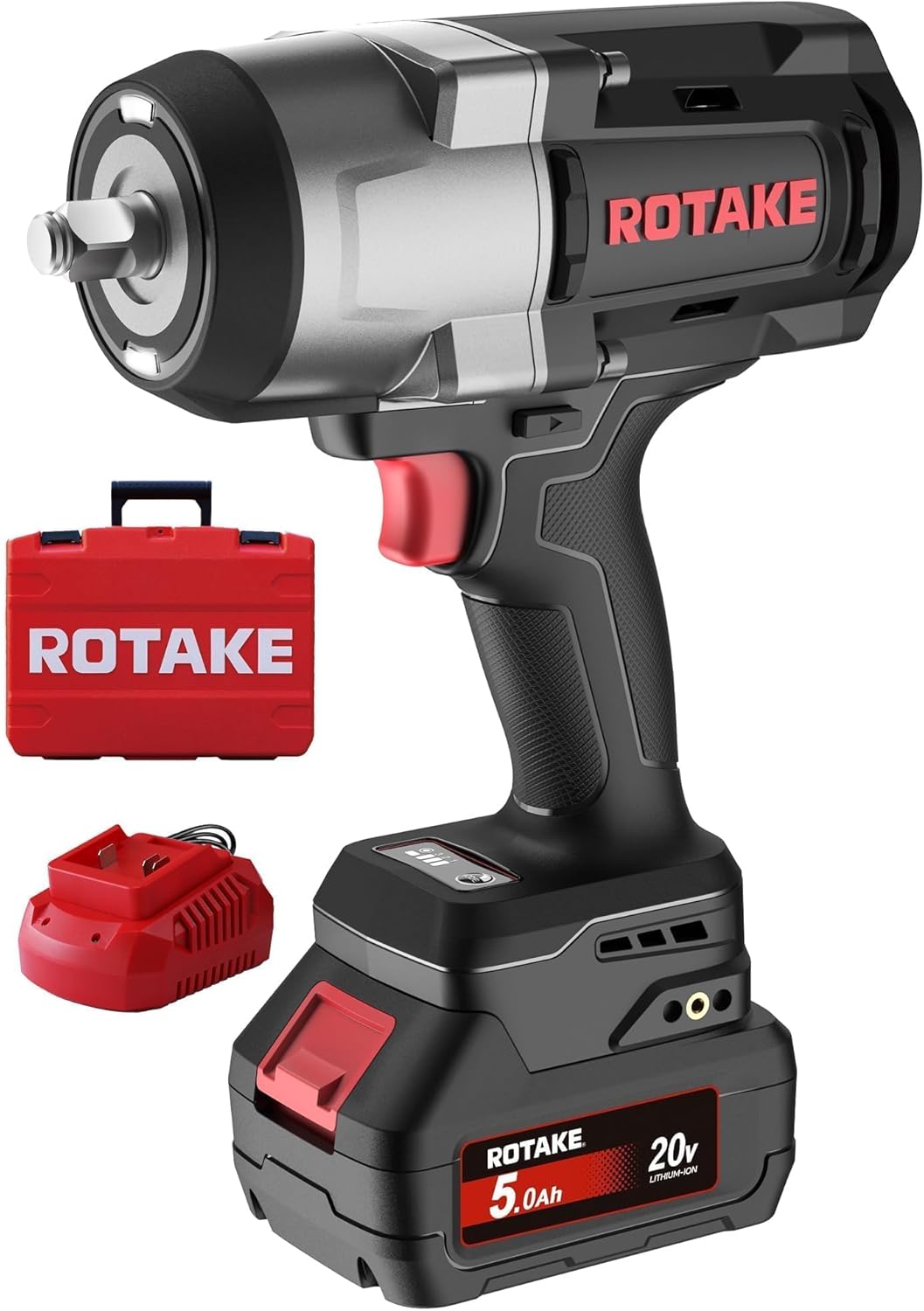
ROTAKE TB3 20V Heavy Duty 1/2" Cordless Impact Wrench Kit - 1380 Ft-Lbs Torque
$132 $219.99
36% OFF

Men's Athletic Running Shorts with Zipper Pockets - Lightweight & Quick Dry
$12.74 $19.99
61% OFF

Modern Ceiling Fan with Light and Remote - Reversible Quiet DC Motor
$69.3 $179.99
50% OFF

MOOKA H13 True HEPA Air Purifier for Home Large Room - 1076 sq ft Odor Eliminator
$39.97 $79.95
60% OFF

Ekouaer Women's Satin Silky Pajama Set - Short Sleeve Pullover Top & Wide-Leg Pants
$13.99 $34.99
55% OFF

Ekouaer 3-Piece Maternity & Nursing Pajamas Set - Short Sleeve Top with Shorts and Pants
$14.99 $32.99

Sealy 2-Pack Tritech 16" Twin Inflatable Air Mattress with Built-in AC Pump
$0 $113.99
20% OFF

INTEX Prism Frame 20ft x 52in Above Ground Pool Set - Round Steel Frame Swimming Pool
$695.99 $869.99

Gardner Pet 43" Heavy Duty Dog Crate with Wheels - Indestructible Folding Metal Cage (Black)
$0 $149.99
12% OFF

Elegant Mid-Century Modern Bar Stools - Set of 4
$395.99 $449.99
23% OFF

Ergonomic Office Chair - Big and Tall Desk Chair with Adjustable Lumbar Support
$279.99 $363.99
26% OFF

Magnelex American Flag Windshield Sun Shade - High-Resolution UV Reflective Heat Shield (X-Large)
$19.9 $26.9
20% OFF

EVIQO 48 Amp NACS Level 2 EV Charger - Hardwired Smart WiFi Wall Charger for Tesla
$368.51 $458.55
50% OFF

DBFIT Air Purifier for Home Large Room
$29.99 $59.99




-

Historic Lancashire church secures £250,000 National Lottery grant for major roof repairs
-

Sunderland Minster PCC was right to push back over trans toilet sign
-

Bethel Church distances itself from Todd Bentley and Mike Bickle
-

Christian police officer reaches settlement over diversity training discrimination claim
-

Turkey's hidden Christian past: Extraordinary discoveries are rewriting the story of early Christianity
-

Diary of a CEO’s Steven Bartlett and John Lennox discuss AI, faith and the search for meaning
Most Popular
News
Pride and the Gospel: the way of self or the way of Christ?
As Christians, our understanding of pride is shaped not primarily by culture, but by Scripture.
Campaign urging greater support for Christian education
Unite for Education founder, Niel Deepnarain, said Christians must be willing to engage publicly with educational issues rather than remain silent.
Welsh reverend speaks of culture of fear over LGBT issues
Many people have already left the Church in Wales over its stance on same-sex relationships, an evangelical leader has said.

Reddit users declare small Welsh church best place in the world
Users voted to eliminate one half of a map until only one location remained.
VitaUp Beet Root Gummies with CoQ10 & Grape Seed - Nitric Oxide Circulation Support (60 Count)
$24.91
HDPE All-Weather Adirondack Chair with Built-In Cup Holder - Tool-Free Assembly (Grey)
$69.99
HOMETUK Clear Plastic Storage Bins with Dividers - 3-Pack Stackable Acrylic Organizer Containers for Fridge and Pantry
$19.99
G Gradual Men's Fishing Shirt - UPF 50+ Lightweight Short Sleeve Button Down with Zipper Pockets
$14.99
Everyfun 60" Rectangular Platform Tree Swing - 700lbs Heavy Duty Adjustable Outdoor Swing (Colorful)
$49.99
Ekouaer Women's Casual Loose Jumpsuit - One-Piece Printed Sleeveless Wide Leg Romper with Pockets
$14.99
ROTAKE TB3 20V Heavy Duty 1/2" Cordless Impact Wrench Kit - 1380 Ft-Lbs Torque
$132
Men's Athletic Running Shorts with Zipper Pockets - Lightweight & Quick Dry
$12.74
Modern Ceiling Fan with Light and Remote - Reversible Quiet DC Motor
$69.3
MOOKA H13 True HEPA Air Purifier for Home Large Room - 1076 sq ft Odor Eliminator
$39.97
Ekouaer Women's Satin Silky Pajama Set - Short Sleeve Pullover Top & Wide-Leg Pants
$13.99
Ekouaer 3-Piece Maternity & Nursing Pajamas Set - Short Sleeve Top with Shorts and Pants
$14.99
Sealy 2-Pack Tritech 16" Twin Inflatable Air Mattress with Built-in AC Pump
$0
INTEX Prism Frame 20ft x 52in Above Ground Pool Set - Round Steel Frame Swimming Pool
$695.99
Gardner Pet 43" Heavy Duty Dog Crate with Wheels - Indestructible Folding Metal Cage (Black)
$0
Elegant Mid-Century Modern Bar Stools - Set of 4
$395.99
Ergonomic Office Chair - Big and Tall Desk Chair with Adjustable Lumbar Support
$279.99
Magnelex American Flag Windshield Sun Shade - High-Resolution UV Reflective Heat Shield (X-Large)
$19.9
EVIQO 48 Amp NACS Level 2 EV Charger - Hardwired Smart WiFi Wall Charger for Tesla
$368.51
DBFIT Air Purifier for Home Large Room
$29.99