
LISBON - Human rights groups urged European and African leaders gathering for their first summit in seven years on Friday to act on Sudan's Darfur crisis and confront Zimbabwe's Robert Mugabe over rights abuses.
Activists hoped the more than 70 leaders from the world's largest trading bloc and its poorest continent would put rights high on the agenda at the summit, which aims to create fresh partnerships on issues like immigration and development.
Mugabe is seen by African leaders as an independence hero and many said they would not attend if he was not invited.
British Prime Minister Gordon Brown boycotted the summit because Mugabe would be there.
A smiling Mugabe arrived to attend a Friday evening banquet with other leaders at the summit venue on the banks of Lisbon's River Tagus. He was greeted with a handshake from Portuguese Secretary of State for Foreign Affairs Joao Cravinho.
Portuguese Prime Minister Jose Socrates, whose country holds the rotating EU presidency and which was criticised for inviting Mugabe, said there was no intention of ducking tough issues.
"At this summit there are no taboos," Socrates told European and African business leaders meeting ahead of the gathering. "Everything can be freely discussed. Without this summit, Darfur, human rights or immigration would not be discussed.
"It was a historic mistake not to have had dialogue for seven years between the EU and Africa."
Previous attempts to hold the summit have failed over Mugabe's attendance but this time the EU, mindful of growing Chinese influence in Africa, decided to hold the meeting.
A group of 40 African and European parliamentarians was joined by 50 human rights groups in urging the leaders to tackle the plight of people in Sudan's Darfur region, where experts estimate 200,000 people have died due to conflict.
"MPs, campaigners and human rights activists are all asking the same question: how can our leaders ignore one of the world's worst crises?" asked Glenys Kinnock, a member of the European Parliament.
Outside the summit venue, rights groups erected a bed with actors depicting French President Nicolas Sarkozy and German Chancellor Angela Merkel sleeping next to Mugabe and Sudan's President Omar Hassan al-Bashir.
"CONFRONT REALITY"
Decades after most African countries became independent, relations between Europe and Africa remain clouded by colonial era issues.
Many Africans think Europe owes a debt to former colonies and European leaders have called for a change from paternalism that had characterised Europe's approach to the continent.
Libyan leader Muammar Gaddafi, on his first visit to Portugal, used a speech at Lisbon University to urge former colonial powers to pay compensation to the countries they once ruled. "If we don't confront reality, we must pay the price ... terrorism, migration, revenge," said Gaddafi.
Trade tensions were also apparent before the summit at a meeting of business leaders from the two continents.
The European Union says it needs to clinch new Economic Partnership Agreements (EPAs) with former European colonies in Africa before a World Trade Organisation waiver of preferential treatment expires on December 31.
Some African nations have complained they will face too much competition and are being strong-armed into signing new deals.
EU countries are trying to settle their own differences over the EPAs. Free trade supporters such as Sweden want to ensure local context rules do not hamper textiles and other exports from poor countries. But Italy and others are concerned about a possible rise in imports hurting their own producers.
European and African farmers protested near the summit.
"In Europe a cow gets two dollars per day and in Africa a human being doesn't get half a dollar," said Justus Lavi, treasurer at the Kenya Small Scale Farmers Forum.
"After signing the EPAs, products from Europe, which are highly subsidised, will come and how can Africa compete?"
50% OFF
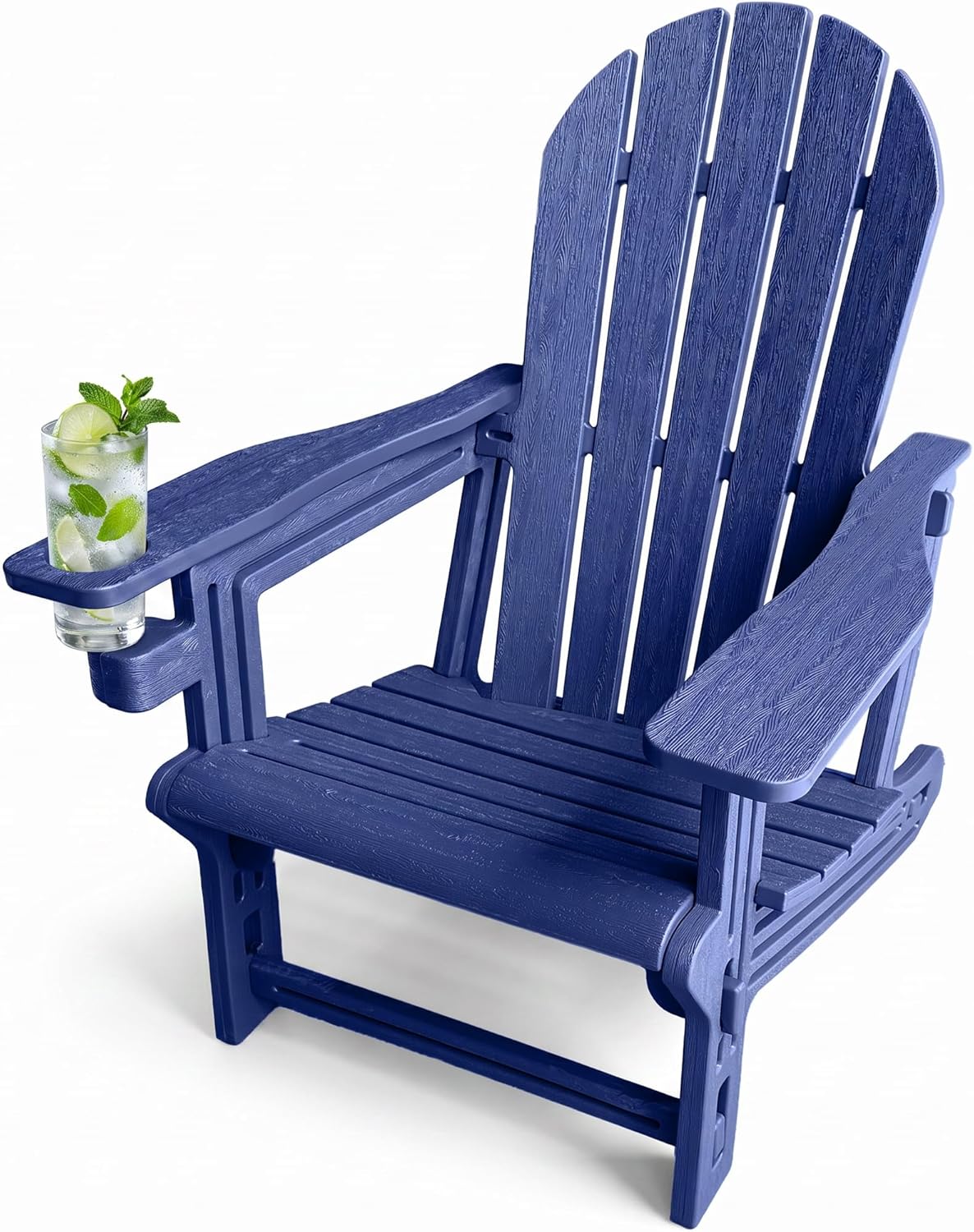
All-Weather HDPE Plastic Adirondack Chair with Cup Holder – Navy Blue
$70 $139.99
50% OFF

7-Color LED Red Light Therapy Mask for Face and Anti-Aging
$29.99 $59.99
49% OFF
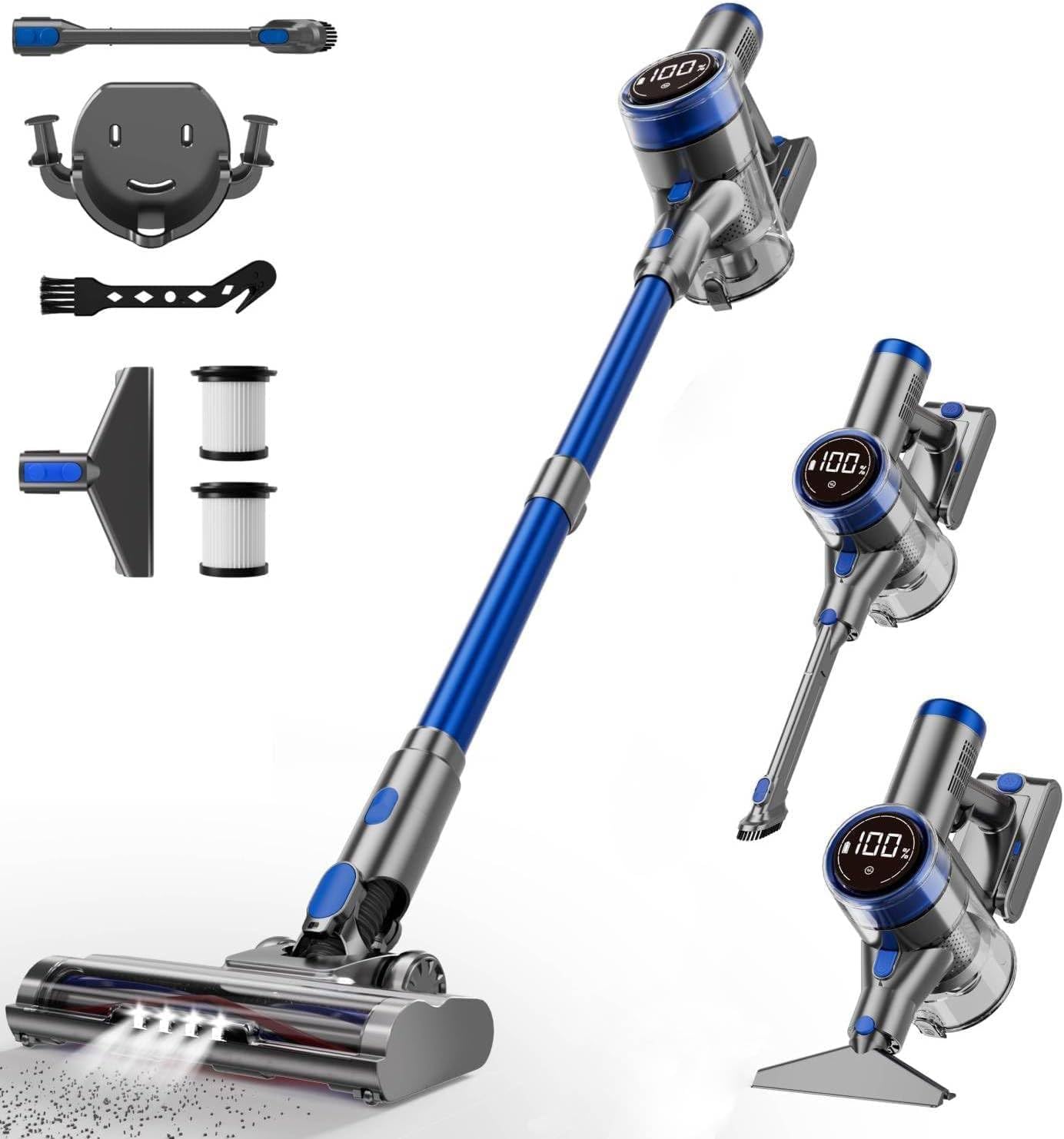
Cordless Vacuum Cleaner - 480W/45Kpa Powerful Stick Vacuum with LED Smart Touch Screen
$55.99 $109.99
20% OFF

Hypoallergenic Pet Wipes for Dogs & Cats - 400 Count Extra Large Coconut Scented Grooming Wipes
$24.79 $30.99
49% OFF
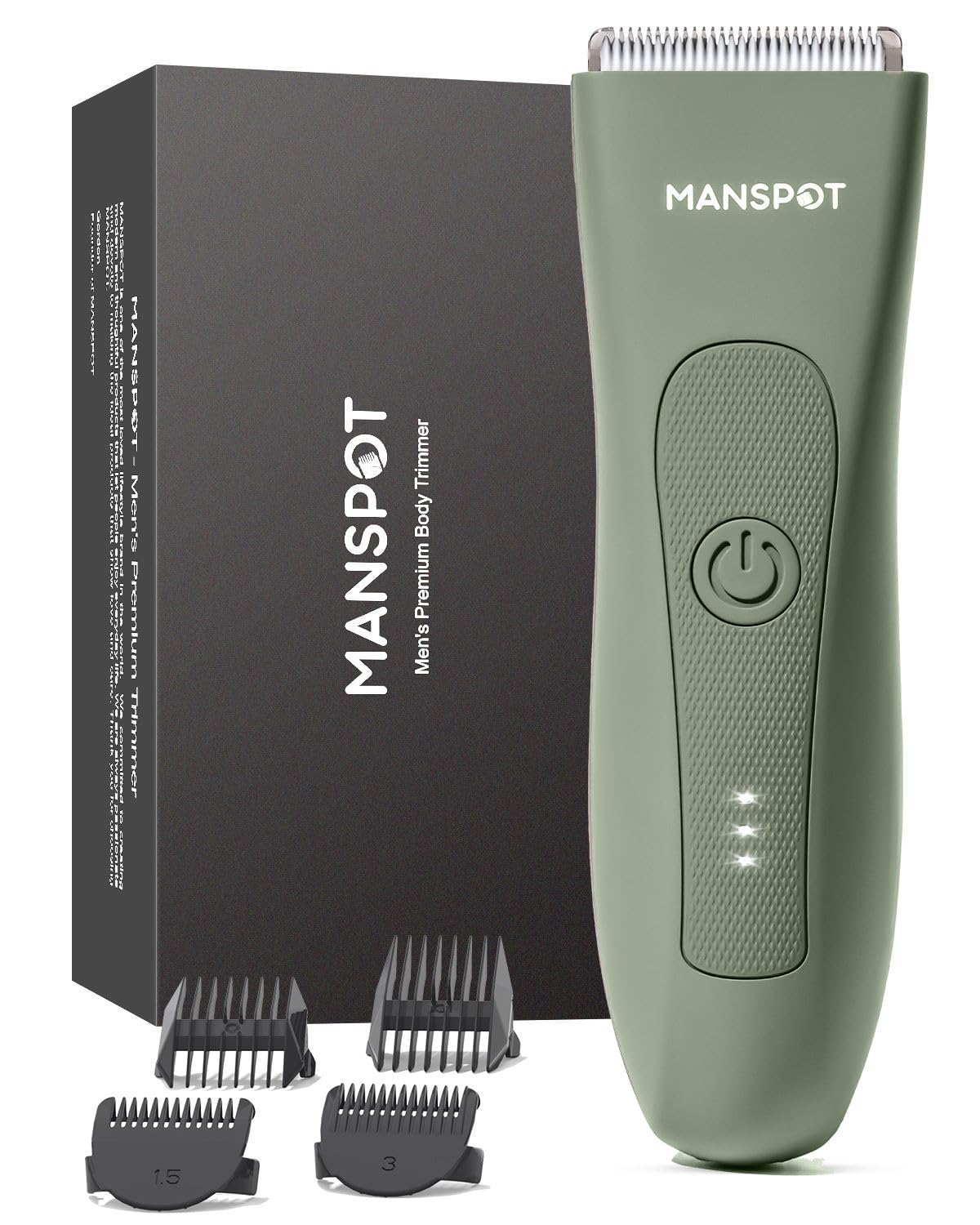
MANSPOT Electric Pubic Hair Trimmer - Waterproof Body and Groin Shaver for Men and Women (Black)
$20.39 $40
25% OFF
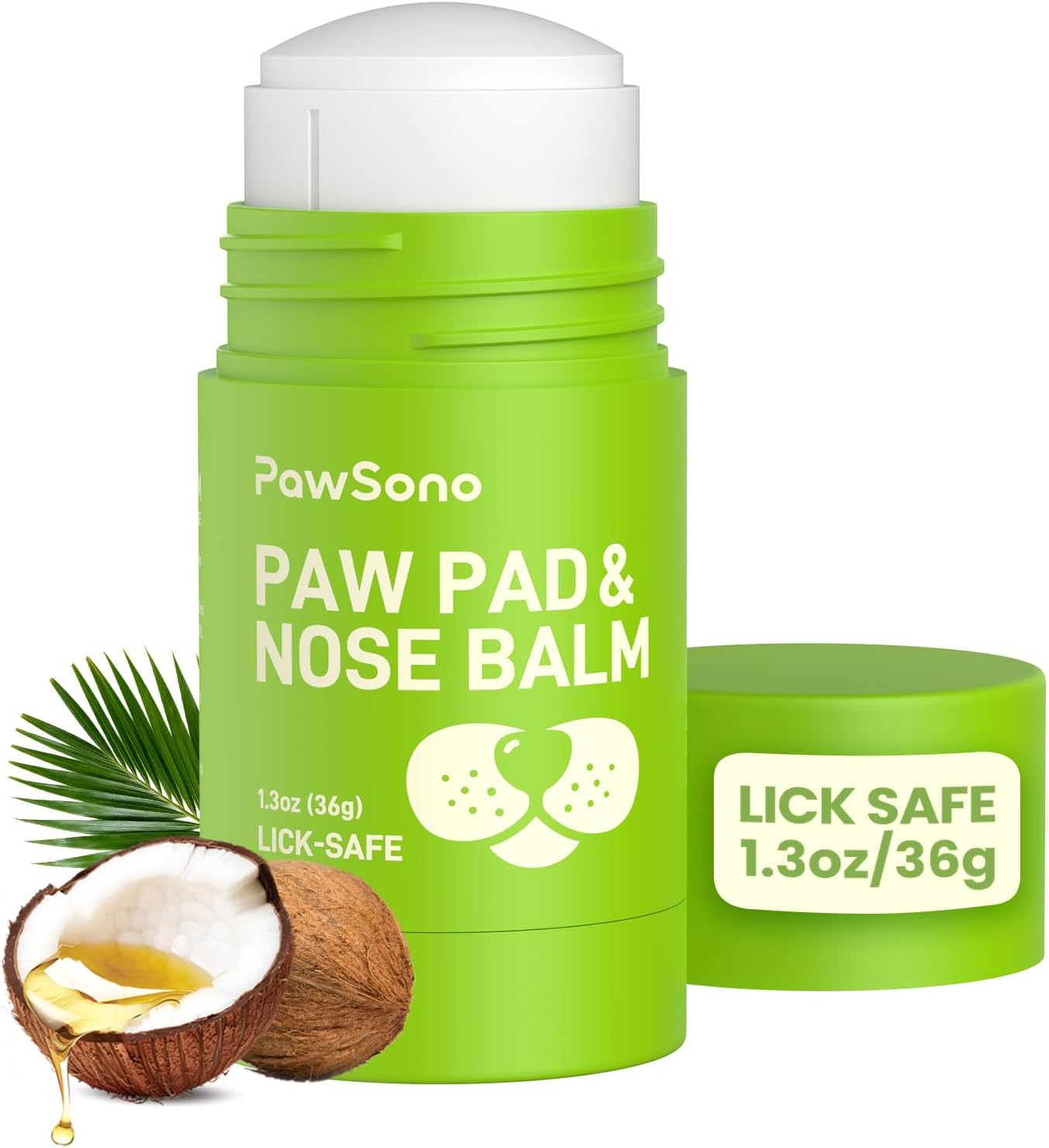
Lick-Safe Dog Paw and Nose Balm Stick - All-Natural Moisturizer with Coconut Oil for Dry, Cracked Pads and Snout
$11.69 $15.59
77% OFF
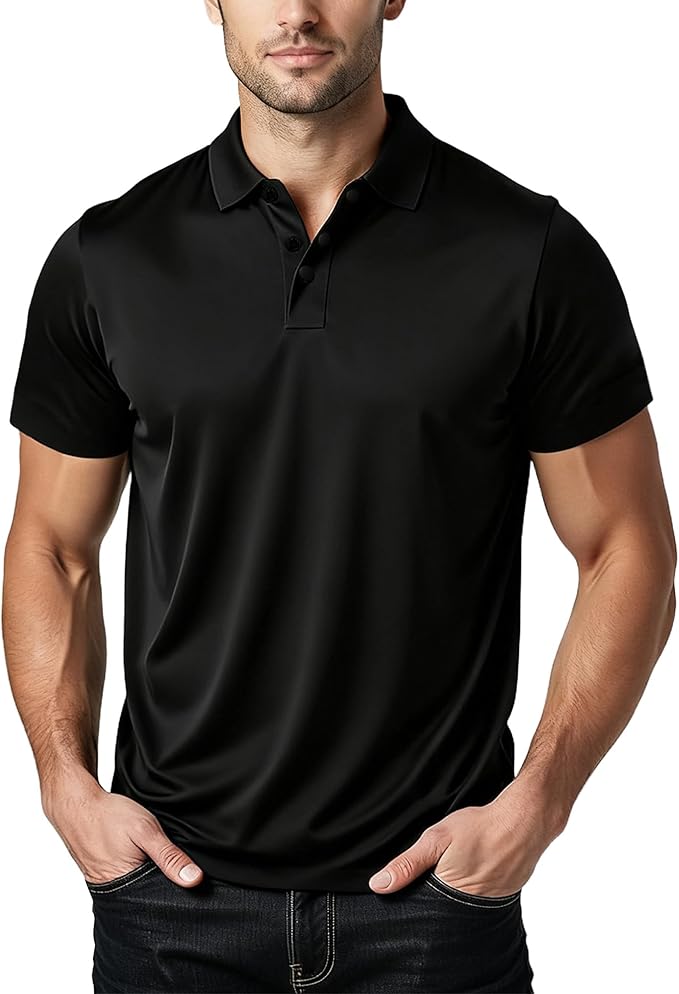
Men's Quick Dry Moisture Wicking Polo Shirt - High Elasticity Slim Fit Athletic Top (Runs Small)
$6.99 $29.99
46% OFF
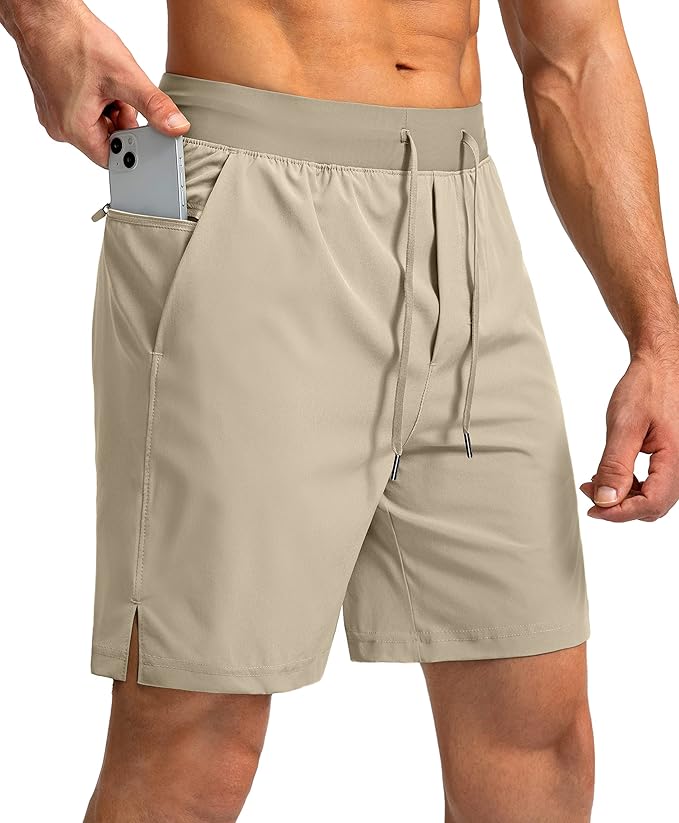
Men's Running Shorts with Zipper Pockets - Lightweight, Quick-Dry, Multi-Sport
$12.95 $23.99
50% OFF
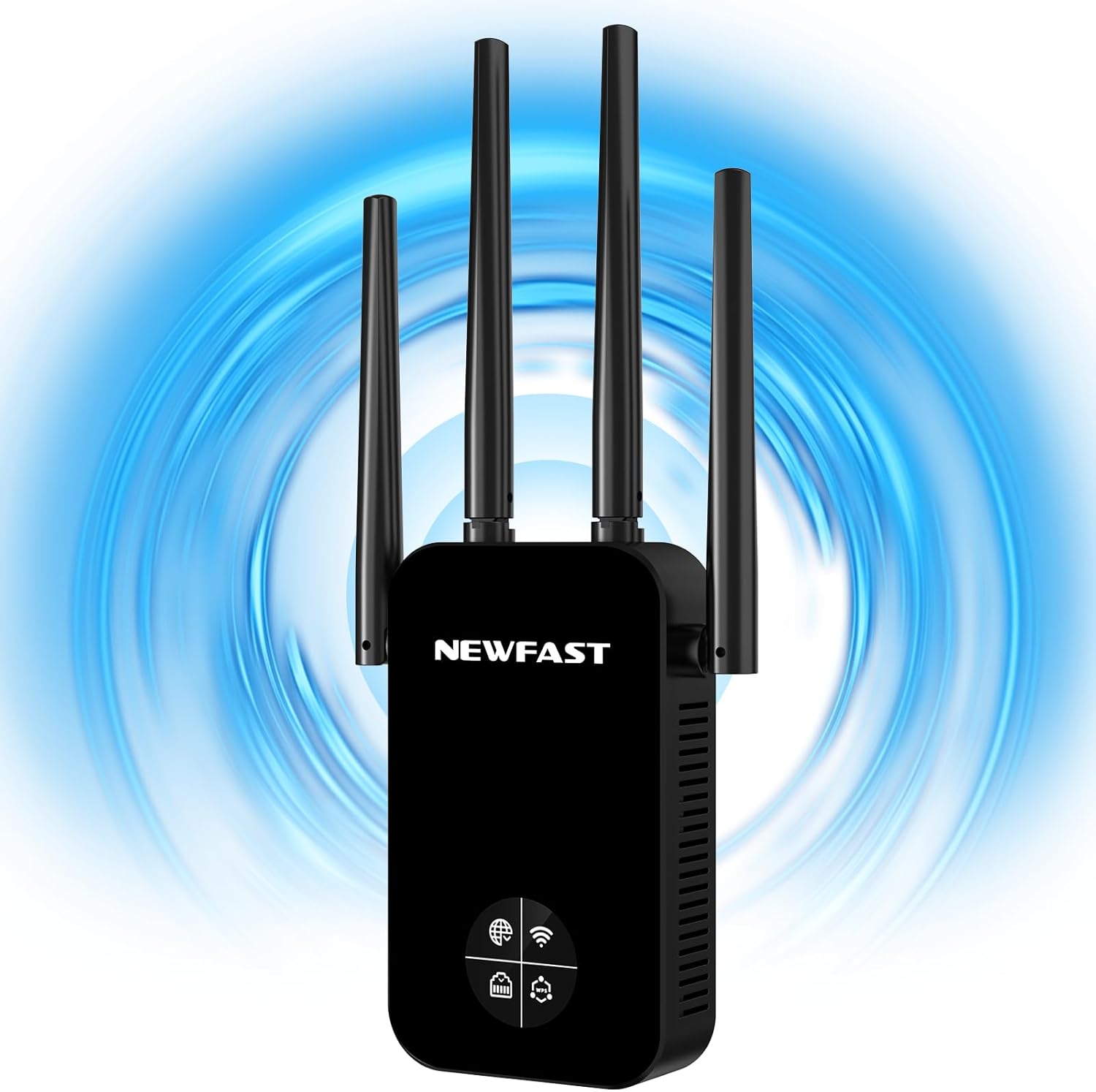
NEWFAST NF-RE523 AC1200 WiFi Extender - 1200Mbps Dual Band Signal Booster & Internet Repeater
$18.5 $36.99
48% OFF
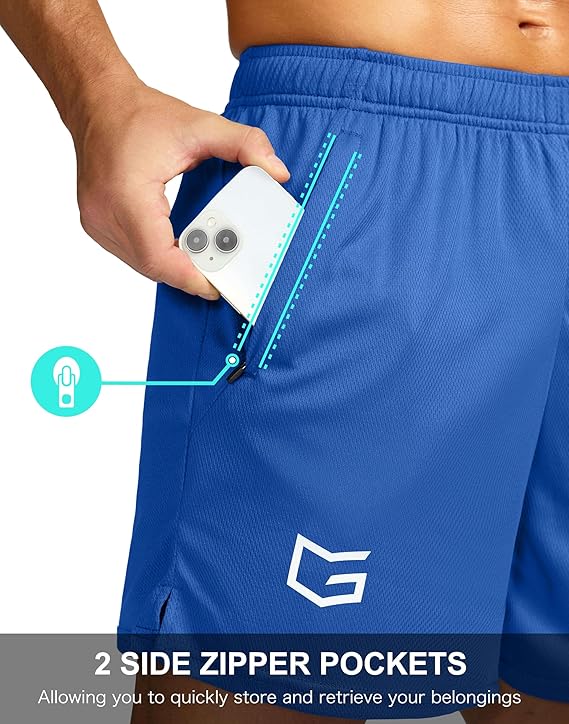
G Gradual Men's 7-inch Workout Running Shorts - Lightweight, Quick-Dry, Comfort
$12.91 $24.99
30% OFF
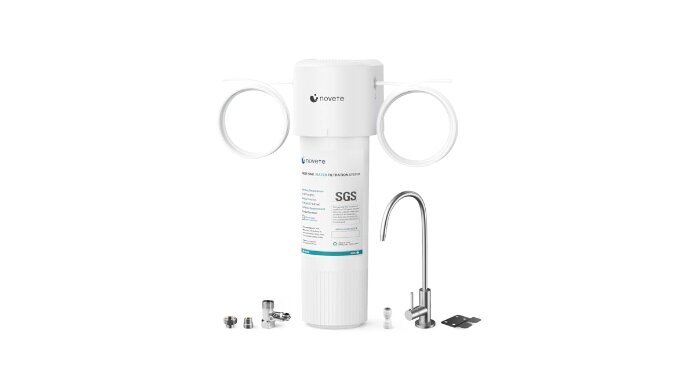
NOVETE Under Sink Water Filter - 3 Years, 30,000 Gallons, High-Efficiency Filtration
$41.99 $59.99
50% OFF

HDPE All-Weather Adirondack Chair with Built-In Cup Holder - Tool-Free Assembly (Grey)
$69.99 $139.99
60% OFF

HOMETUK Clear Plastic Storage Bins with Dividers - 3-Pack Stackable Acrylic Organizer Containers for Fridge and Pantry
$19.99 $49.99
58% OFF

G Gradual Men's Fishing Shirt - UPF 50+ Lightweight Short Sleeve Button Down with Zipper Pockets
$14.99 $35.99
55% OFF

Everyfun 60" Rectangular Platform Tree Swing - 700lbs Heavy Duty Adjustable Outdoor Swing (Colorful)
$49.99 $110.99
61% OFF

Ekouaer Women's Casual Loose Jumpsuit - One-Piece Printed Sleeveless Wide Leg Romper with Pockets
$14.99 $37.99
36% OFF

Men's Athletic Running Shorts with Zipper Pockets - Lightweight & Quick Dry
$12.74 $19.99
61% OFF

Modern Ceiling Fan with Light and Remote - Reversible Quiet DC Motor
$69.3 $179.99
50% OFF

MOOKA H13 True HEPA Air Purifier for Home Large Room - 1076 sq ft Odor Eliminator
$39.97 $79.95
40% OFF
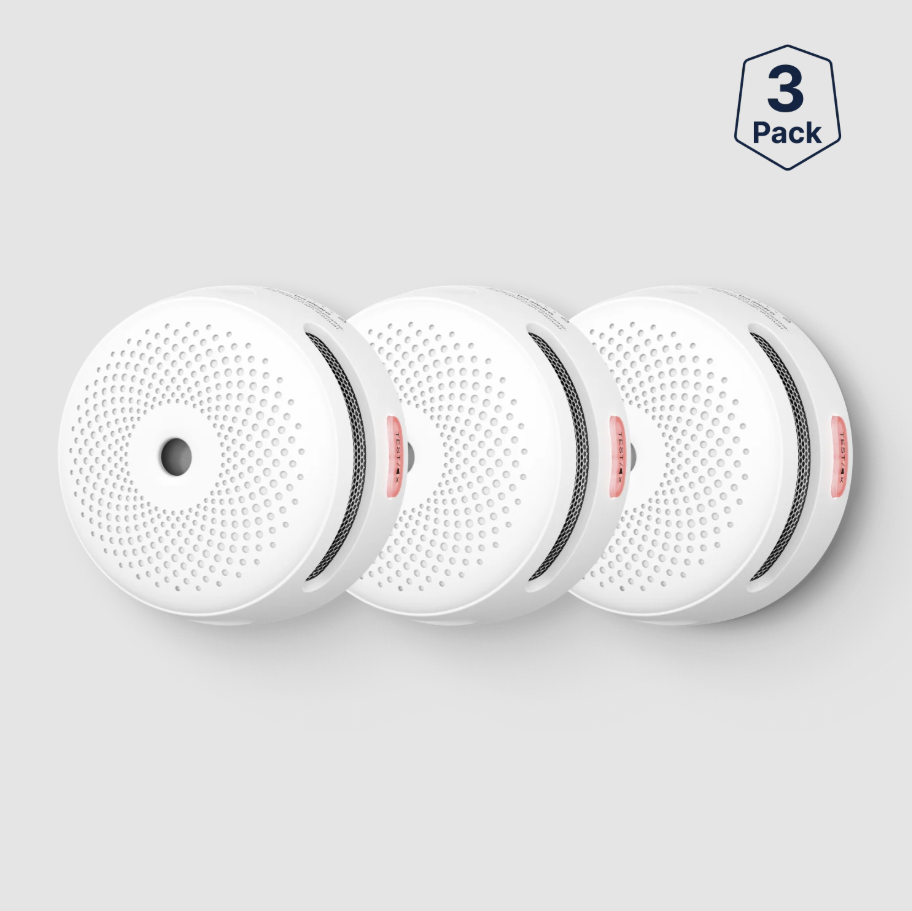
X-Sense XS01-WX Smart Smoke Alarm - 2.4 GHz Wi-Fi Photoelectric Fire Detector with Mobile App Alerts
$65.99 $109.99
-

Life beyond burnout: how Christians can grow in the desert seasons
-

New attempt to revive assisted suicide bill faces opposition
-

A Christian reflection on men’s health week: Jesus - the man we were created to be
-

Anti-Christian hate crimes across Europe surge in May as arson attacks reach 2026 high
News
-

Anti-Christian hate crimes across Europe surge in May as arson attacks reach 2026 high
-

Belfast churches 'heartbroken' over unrest
-

South Wales Police back down on imposing Islamic 'blasphemy law'
-

Churches must disciple well and listen well in response to rise of Christian nationalism
-

Welsh reverend speaks of culture of fear over LGBT issues
-

Making cohabitation equal with marriage is 'unfair', Christians argue
Most Popular
News
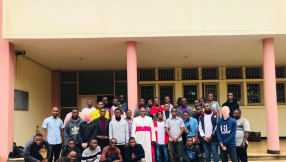
African Christian leaders demand justice after Mozambican bishop shot dead
Christian leaders across Africa have called for a full investigation into the killing of a Mozambican bishop who was shot dead at his residence.

Lebanese Christians on the brink as peace deal agreed
The Christian population of the Middle East has drastically declined due to ongoing conflict.

A Christian reflection on men’s health week: Jesus - the man we were created to be
As Men’s Health Week reminds us of the challenges many men face, perhaps there is no better time to look again at Jesus Christ. In Him we find not only a model for manhood, but the way to life itself.

Kyiv’s Dormition Cathedral badly damaged in major Russian strikes on Ukrainian capital
Kyiv’s historic Dormition Cathedral, part of the UNESCO-listed Pechersk Lavra monastery complex, caught fire overnight after a wave of Russian missile and drone strikes on the Ukrainian capital.
All-Weather HDPE Plastic Adirondack Chair with Cup Holder – Navy Blue
$70
7-Color LED Red Light Therapy Mask for Face and Anti-Aging
$29.99
Cordless Vacuum Cleaner - 480W/45Kpa Powerful Stick Vacuum with LED Smart Touch Screen
$55.99
Hypoallergenic Pet Wipes for Dogs & Cats - 400 Count Extra Large Coconut Scented Grooming Wipes
$24.79
MANSPOT Electric Pubic Hair Trimmer - Waterproof Body and Groin Shaver for Men and Women (Black)
$20.39
Lick-Safe Dog Paw and Nose Balm Stick - All-Natural Moisturizer with Coconut Oil for Dry, Cracked Pads and Snout
$11.69
Men's Quick Dry Moisture Wicking Polo Shirt - High Elasticity Slim Fit Athletic Top (Runs Small)
$6.99
Men's Running Shorts with Zipper Pockets - Lightweight, Quick-Dry, Multi-Sport
$12.95
NEWFAST NF-RE523 AC1200 WiFi Extender - 1200Mbps Dual Band Signal Booster & Internet Repeater
$18.5
G Gradual Men's 7-inch Workout Running Shorts - Lightweight, Quick-Dry, Comfort
$12.91
NOVETE Under Sink Water Filter - 3 Years, 30,000 Gallons, High-Efficiency Filtration
$41.99
HDPE All-Weather Adirondack Chair with Built-In Cup Holder - Tool-Free Assembly (Grey)
$69.99
HOMETUK Clear Plastic Storage Bins with Dividers - 3-Pack Stackable Acrylic Organizer Containers for Fridge and Pantry
$19.99
G Gradual Men's Fishing Shirt - UPF 50+ Lightweight Short Sleeve Button Down with Zipper Pockets
$14.99
Everyfun 60" Rectangular Platform Tree Swing - 700lbs Heavy Duty Adjustable Outdoor Swing (Colorful)
$49.99
Ekouaer Women's Casual Loose Jumpsuit - One-Piece Printed Sleeveless Wide Leg Romper with Pockets
$14.99
Men's Athletic Running Shorts with Zipper Pockets - Lightweight & Quick Dry
$12.74
Modern Ceiling Fan with Light and Remote - Reversible Quiet DC Motor
$69.3
MOOKA H13 True HEPA Air Purifier for Home Large Room - 1076 sq ft Odor Eliminator
$39.97
X-Sense XS01-WX Smart Smoke Alarm - 2.4 GHz Wi-Fi Photoelectric Fire Detector with Mobile App Alerts
$65.99