
A theological consultation on cruelty has been held by the Faith and Order Commission of the World Council of Churches (WCC) in partnership with the Evangelical Lutheran Church in America (ELCA), 5-8 December 2006, in Puidoux, Switzerland.
Those participating at the conference emerged with the clear testimony: "The cross calls us not to glorify, but to attend to the suffering in the world and to struggle for its elimination."
Issues tackled at the conference included: sex trafficking of women and children, walls going up in the name of security, new justifications for the torture of human beings - and other forms of cruelty.
Twenty-five theologians and social scientists attended the four-day conference. In reflecting on such structural and institutional forms of cruelty as patriarchy, racism, casteism, and xenophobia, the participants noted that as well as being inherently cruel in and of themselves, such structures and institutions also legitimise and perpetrate cruelty against the vulnerable and the disempowered.
"For over two thousand years we have talked about cruelty. It is an ugliness that implicates us and tears the fabric of our societies," said Dr Michael Trice of the ELCA, whose theological study provided the theoretical framework of the consultation.
He added, "We have gathered here in order to learn what churches can do to respond to inter-generational cruelty that is created and perpetrated at institutional and structural levels."
Dr Lerleen Willis of the Sheffield Black Theology Forum UK gave a presentation on 'Hierarchies of humanity: the dehumanising potential of racism in Europe'.
She said, "Given the role of slavery and its allied ideology of race-thinking in laying the foundations of current-day racism, shouldn't the church go beyond merely apologising for its role in making slavery palatable?"
Dr Deenabandhu Manchala of the WCC said, "This is an attempt to do theology from below, on the basis of the experiences of people living in contexts and situations of acute violence. Such a theology has the potential to inspire churches to champion life in a world overwhelmed by a culture of death."
The cross, participants affirmed, "goes before us as a pledge that God is leading us to that time when God will wipe away every tear and there will be no suffering or mourning or death anymore. It reminds us of, and to live in, the confidence that God is already overcoming that suffering in our world."
30% OFF
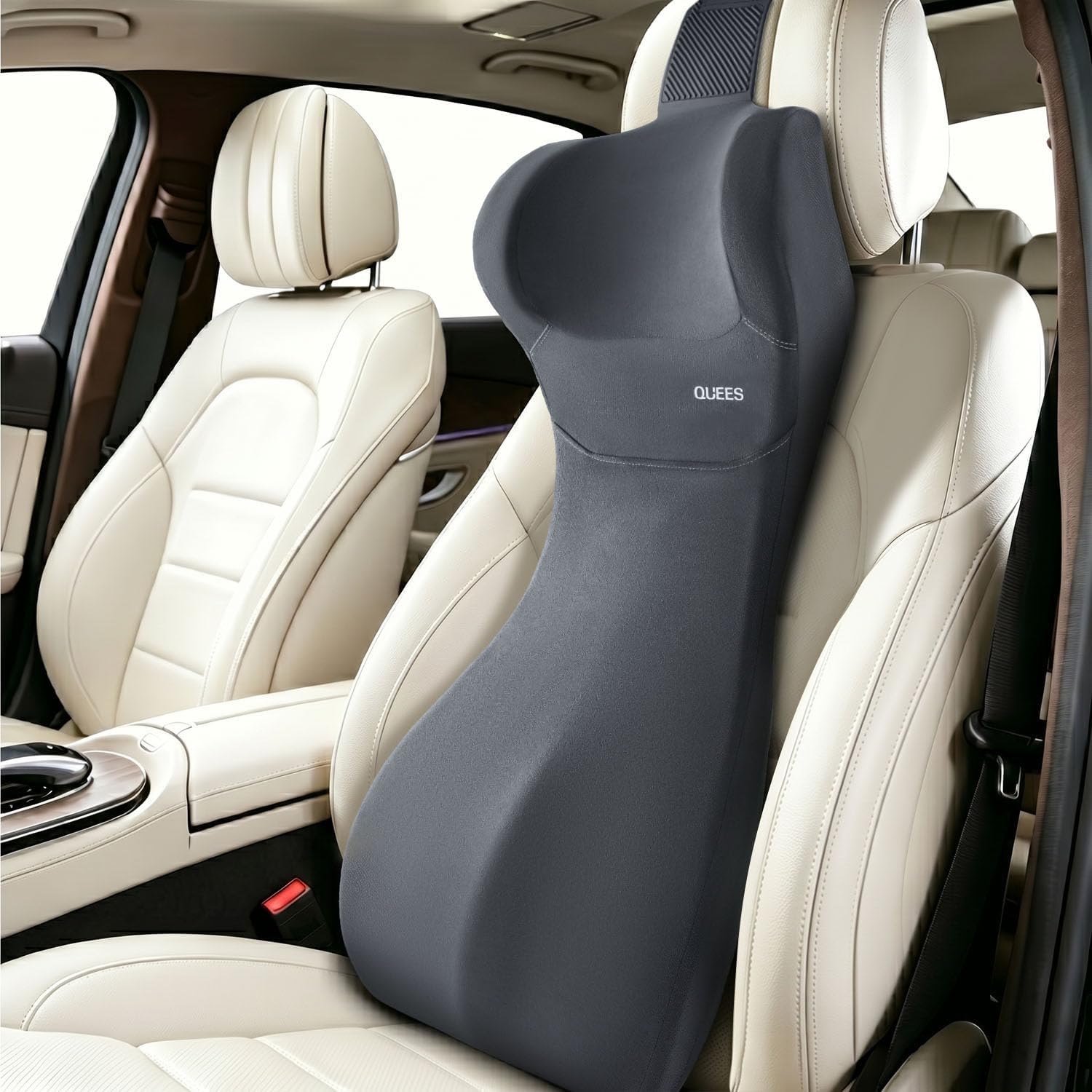
Lumbar Support Pillow for Car with Headrest – Memory Foam Full-Length S-Curve Back & Neck Cushion for Long Drives, Fits Cars, SUVs & Trucks
$32.89 $46.99
46% OFF
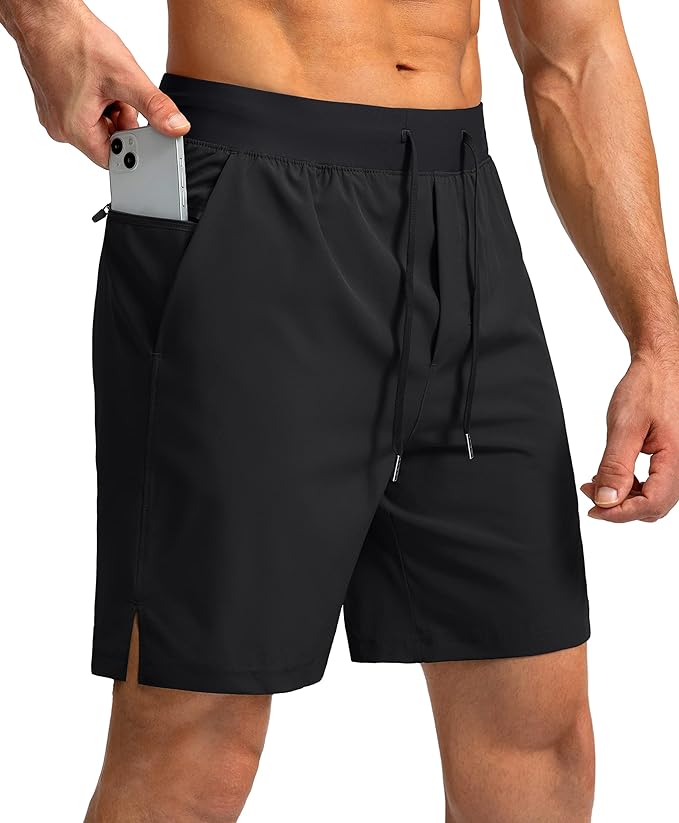
Soothfeel Men's Running Shorts with Zipper Pockets – Quick Dry Athletic Shorts in 9", 7" & 5" Inseams for Basketball, Gym & Workout
$12.91 $23.99
40% OFF
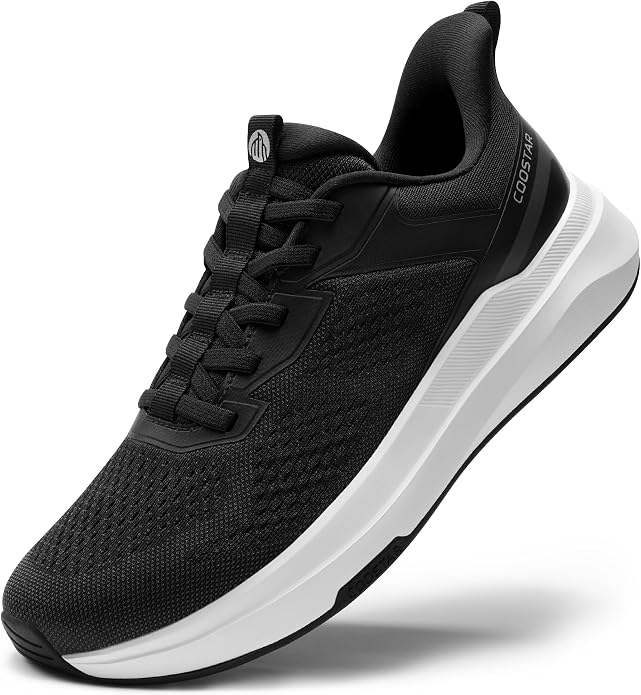
Men's Slip On Walking Shoes – Hands-Free Casual Sneakers with Arch Support, Wide Stable Base, Breathable Knit Upper, Non-Slip Traction
$29.99 $49.99
52% OFF
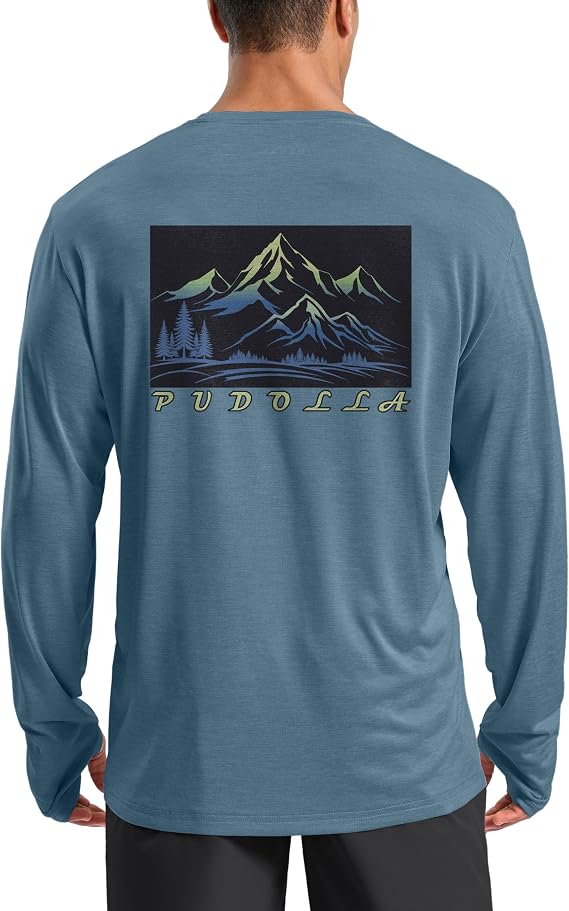
Pudolla Men's UPF 50+ Sun Shirt – Long Sleeve Quick Dry Hiking & Running Shirt with Thumb Holes, Lightweight Moisture-Wicking Rash Guard Base Layer
$11.99 $24.99
35% OFF
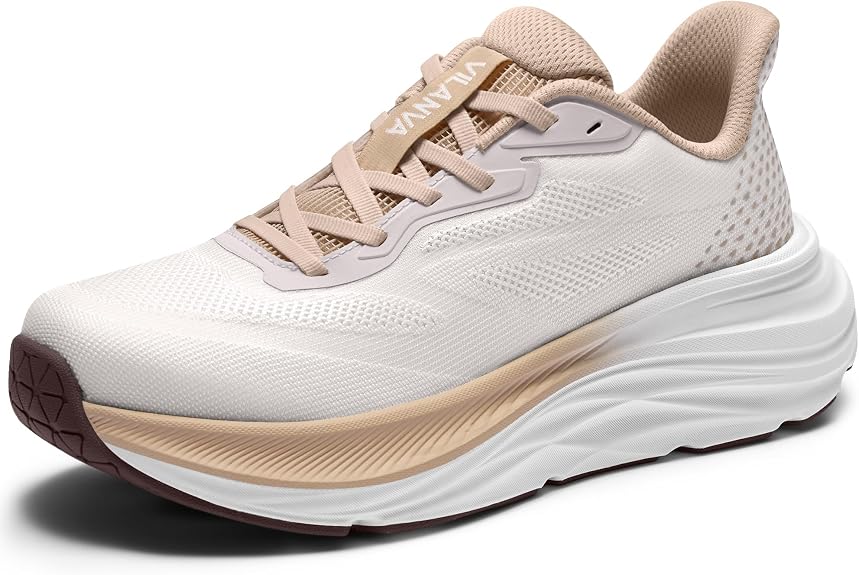
Vilanva Women's Walking Shoes – Cushioned Lightweight Running Sneakers with Slip-Resistant Sole, Breathable Woven Upper for Everyday Wear & Workouts
$35.09 $53.99
67% OFF
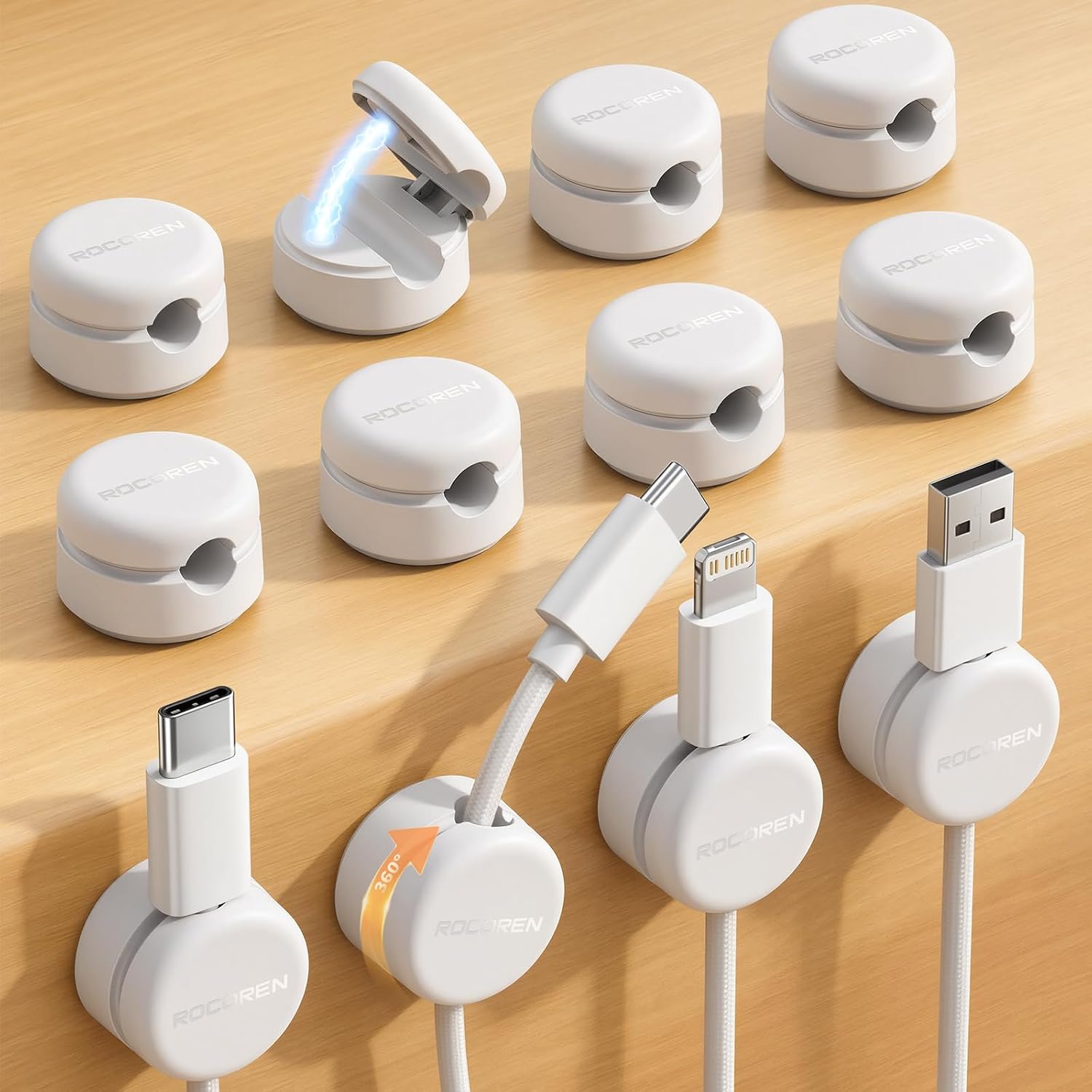
Rocoren 12-Pack Magnetic Cable Clips – 360° Rotating Cord Organizer with No-Residue Adhesive, Cord Holder for Desk, Nightstand, Wall, Car & Office, White
$6.5 $19.99
60% OFF
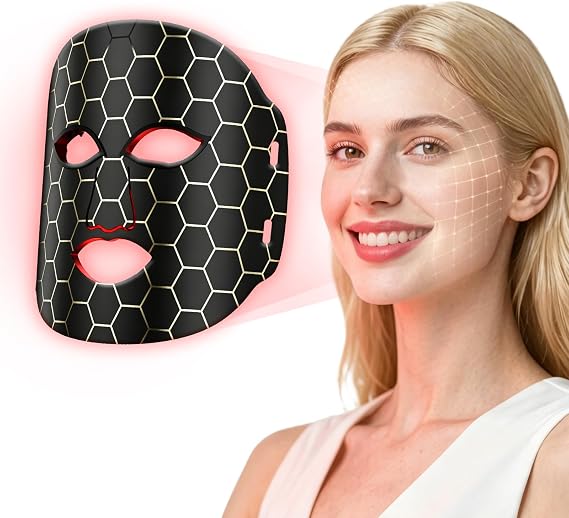
Red Light Therapy Mask for Face – 7-Color LED Silicone Facial Mask, Cordless Rechargeable Skincare Device with 240 LEDs for Home & Travel
$39.99 $99.99
77% OFF
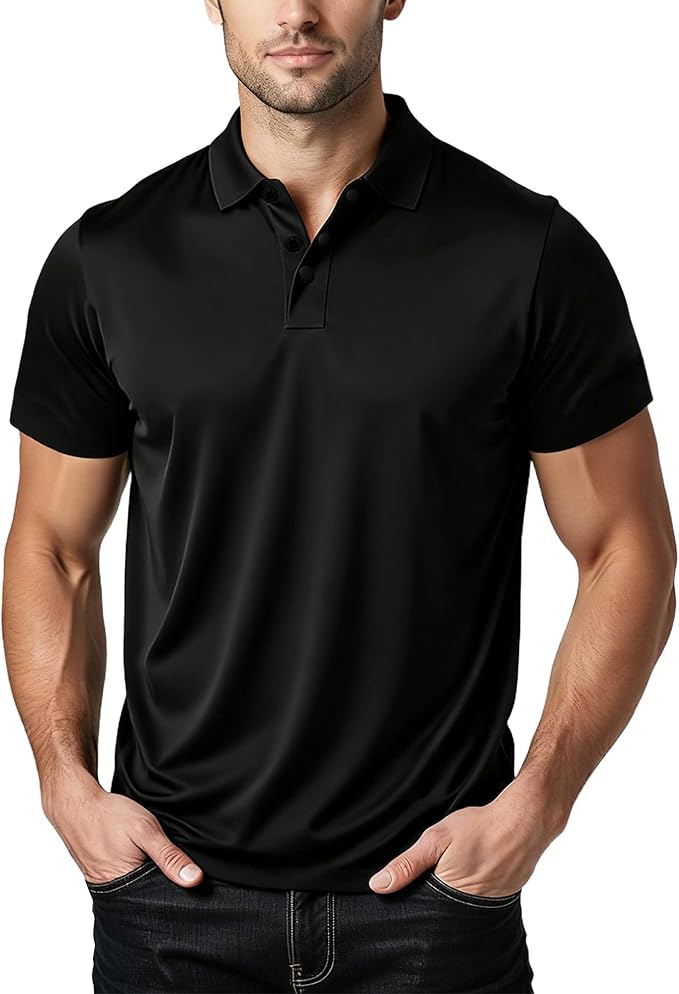
Men's Slim Fit Polo Shirt – Quick Dry Moisture Wicking, High Elasticity, Athletic Fit Polo for Golf, Tennis, Work & Casual Wear (Runs Small, Size Up)
$6.99 $29.99
28% OFF
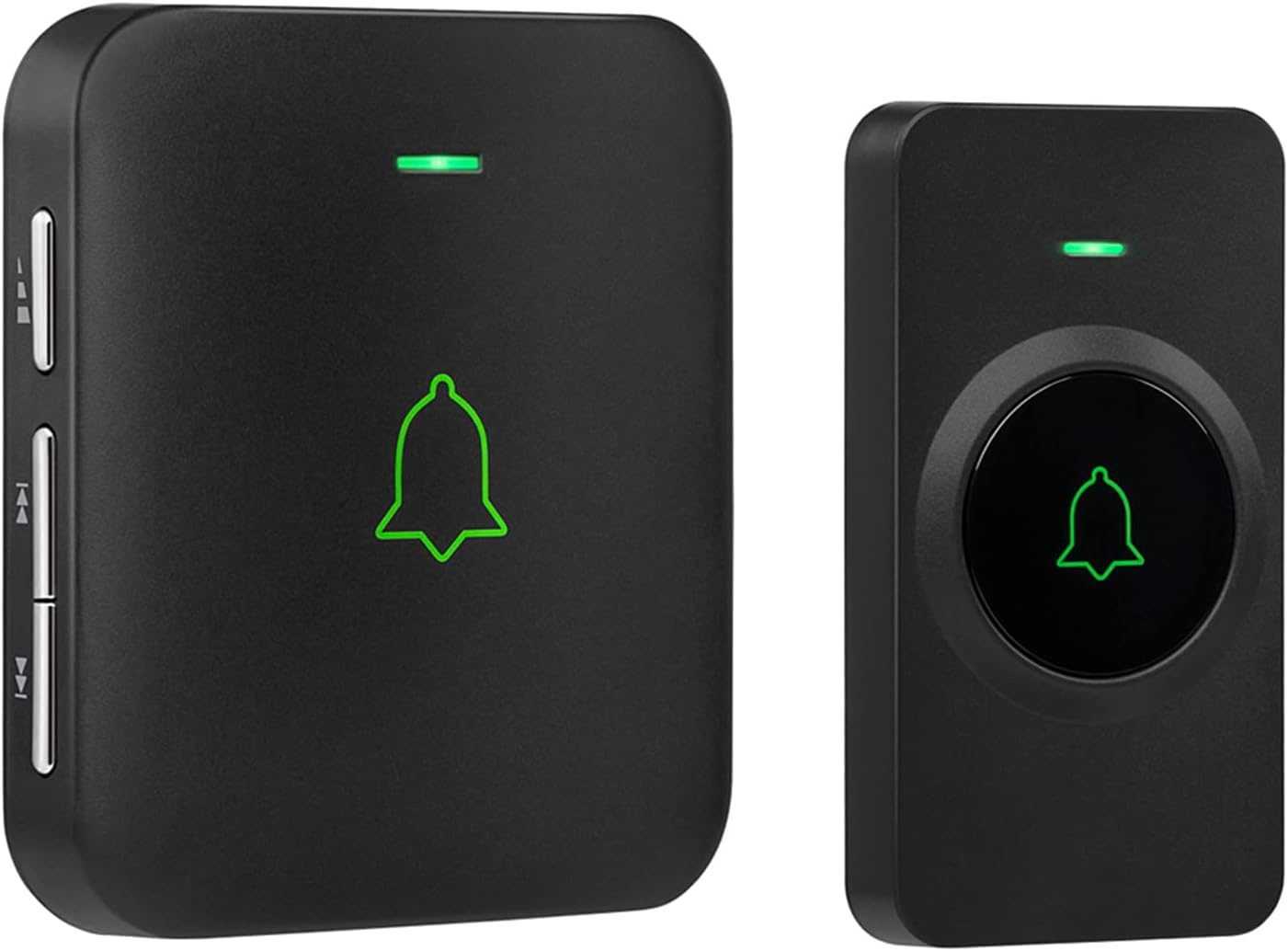
AVANTEK Wireless Doorbell CB-11 – 1000 ft Range, 1 Button + 1 Plug-In Receiver, 115 dB Volume, LED Flash, 52 Chimes, Waterproof, 3-Year Battery
$12.91 $17.99
50% OFF
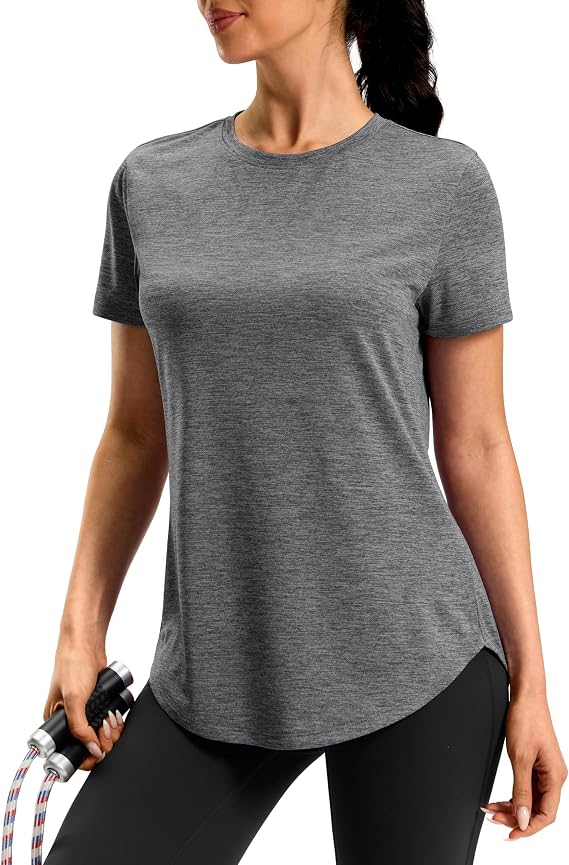
Women's Workout Shirts – Bum-Covering Length Short Sleeve Dry Fit Tops, Lightweight & Breathable for Athletic, Hiking, Running & Summer Wear
$6.99 $13.99
50% OFF
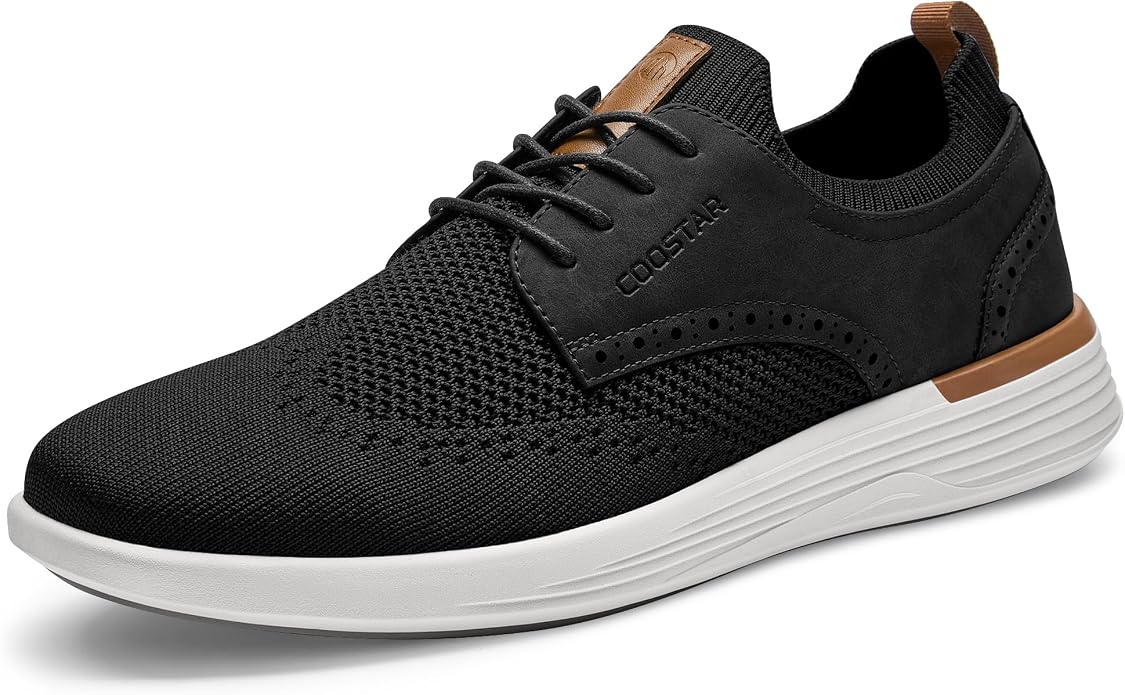
Coostar Men's Casual Dress Sneakers – Lightweight Wingtip Oxford Style with Breathable Knit Upper, Rubber Sole & Slip-On Elastic Collar, Business & Walking Shoe
$22.49 $44.99
45% OFF
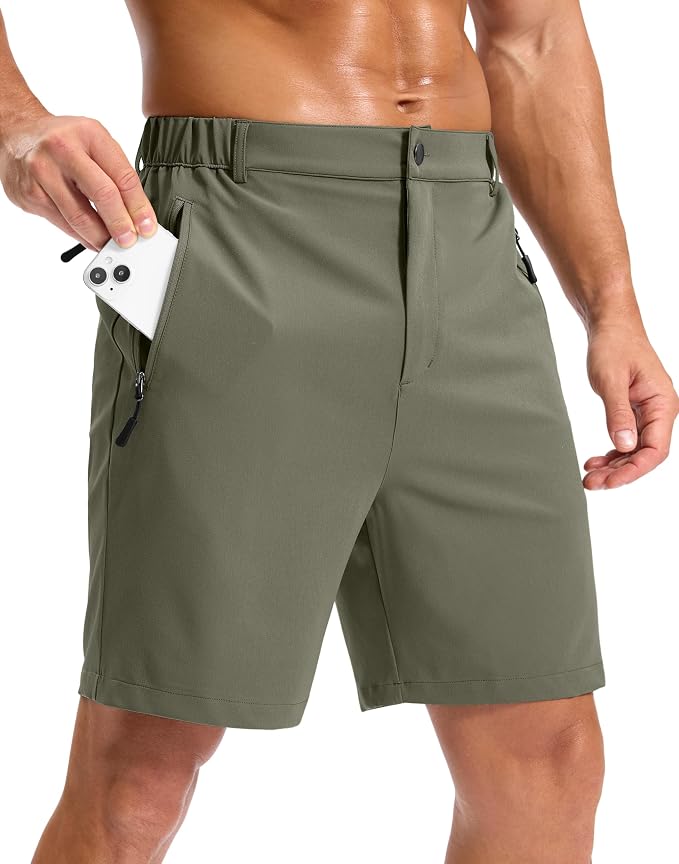
Pudolla Men's Quick Dry Hiking and Golf Shorts with 3 Zipper Pockets
$14.84 $26.99
50% OFF

Venture Pal Ceremonial Grade Matcha Green Tea Powder – First Harvest, Shade Grown, 100% Pure with No Additives, Unsweetened, Vegan & Gluten-Free, 30g Tin
$7.5 $14.99
40% OFF
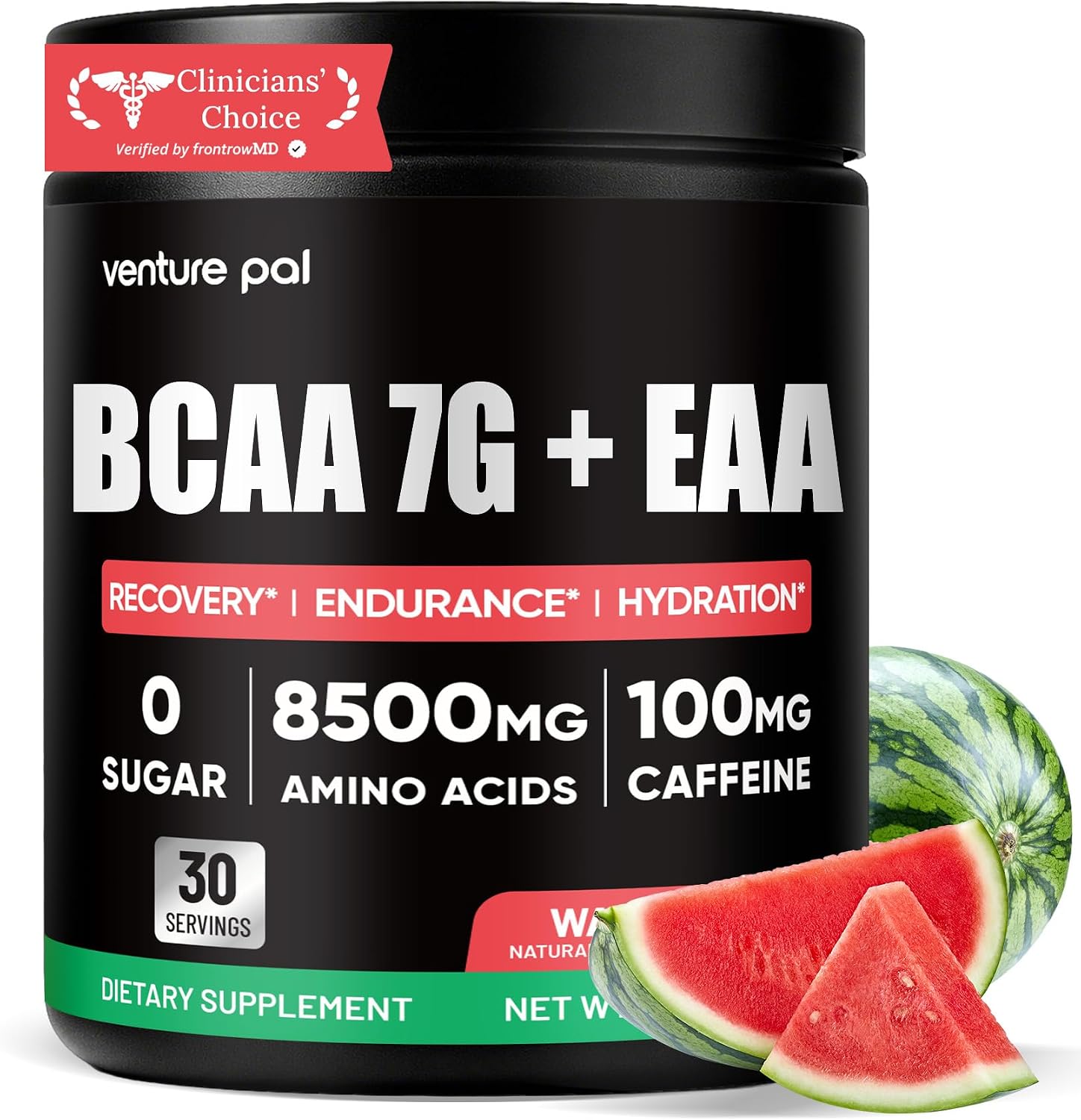
Venture Pal Sugar Free 7g BCAA + EAA Powder – 9 Essential Amino Acids with L-Glutamine, Caffeine, Electrolytes & Vitamins for Muscle Recovery, Growth & Hydration
$14.99 $24.99
30% OFF
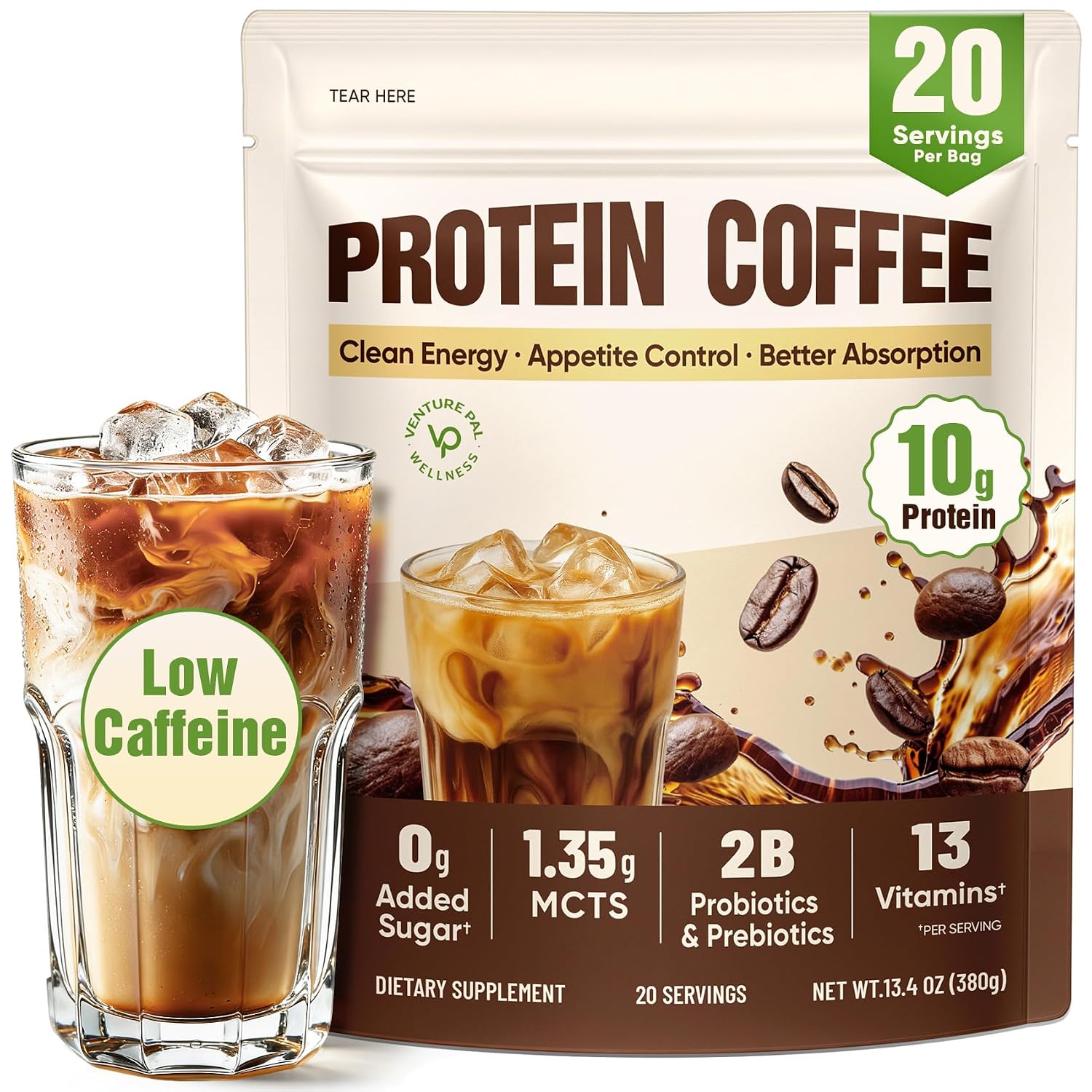
Venture Pal Sugar Free Protein Coffee – Cold Brew Mocha Instant Iced Coffee with MCT Oil, Probiotics, Fiber & 13 Vitamins, 70mg Caffeine, Keto & Gluten-Free, 20 Servings
$13.29 $18.99
20% OFF
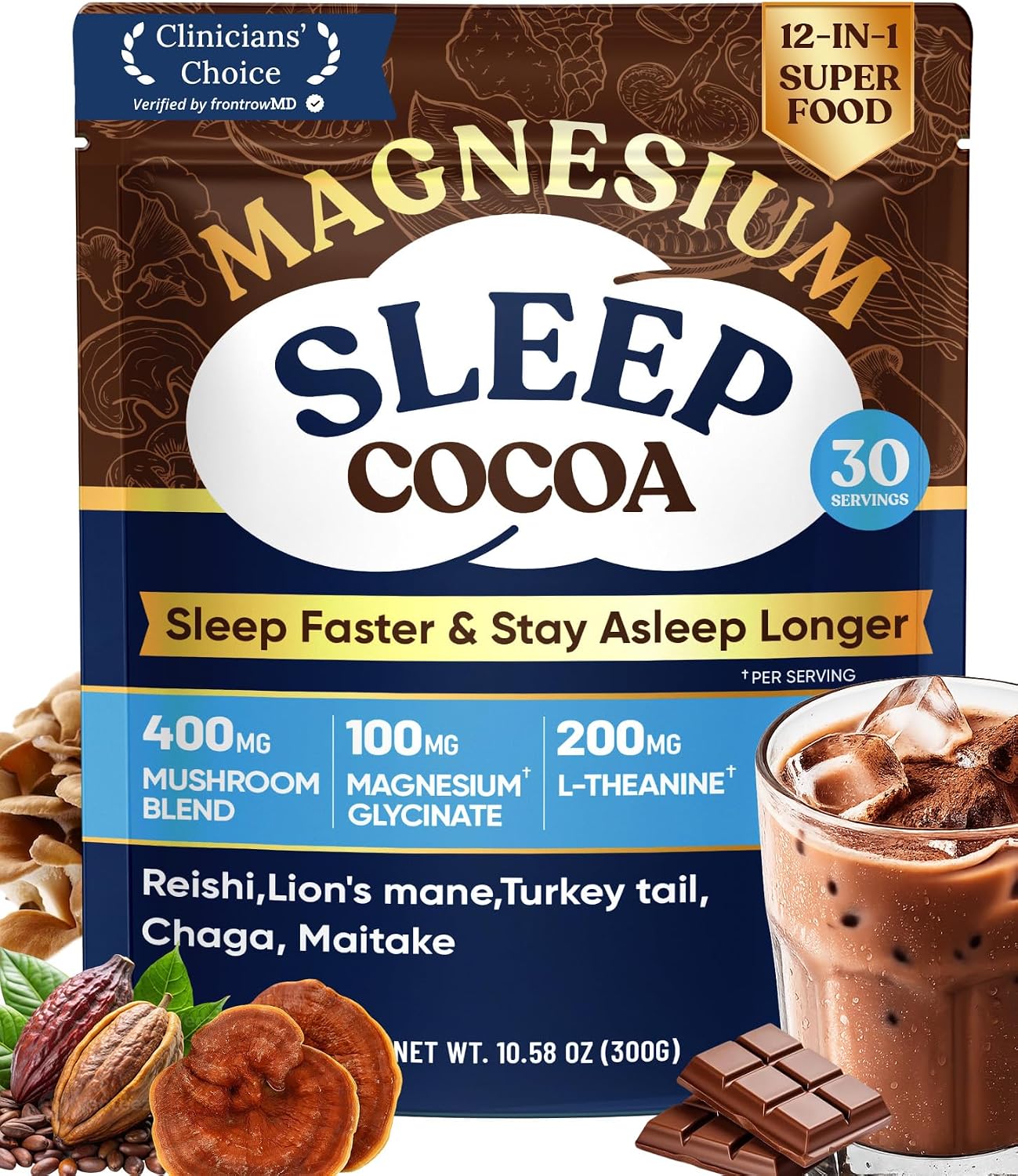
Venture Pal Mushroom Hot Cocoa – Natural Sleep Aid with 12 Superfoods, Melatonin 3mg, Magnesium Glycinate, L-Theanine, Glycine, Lion's Mane, Reishi & Turkey Tail, Bedtime Cocoa Mix, 30 Servings
$23.99 $29.99
24% OFF
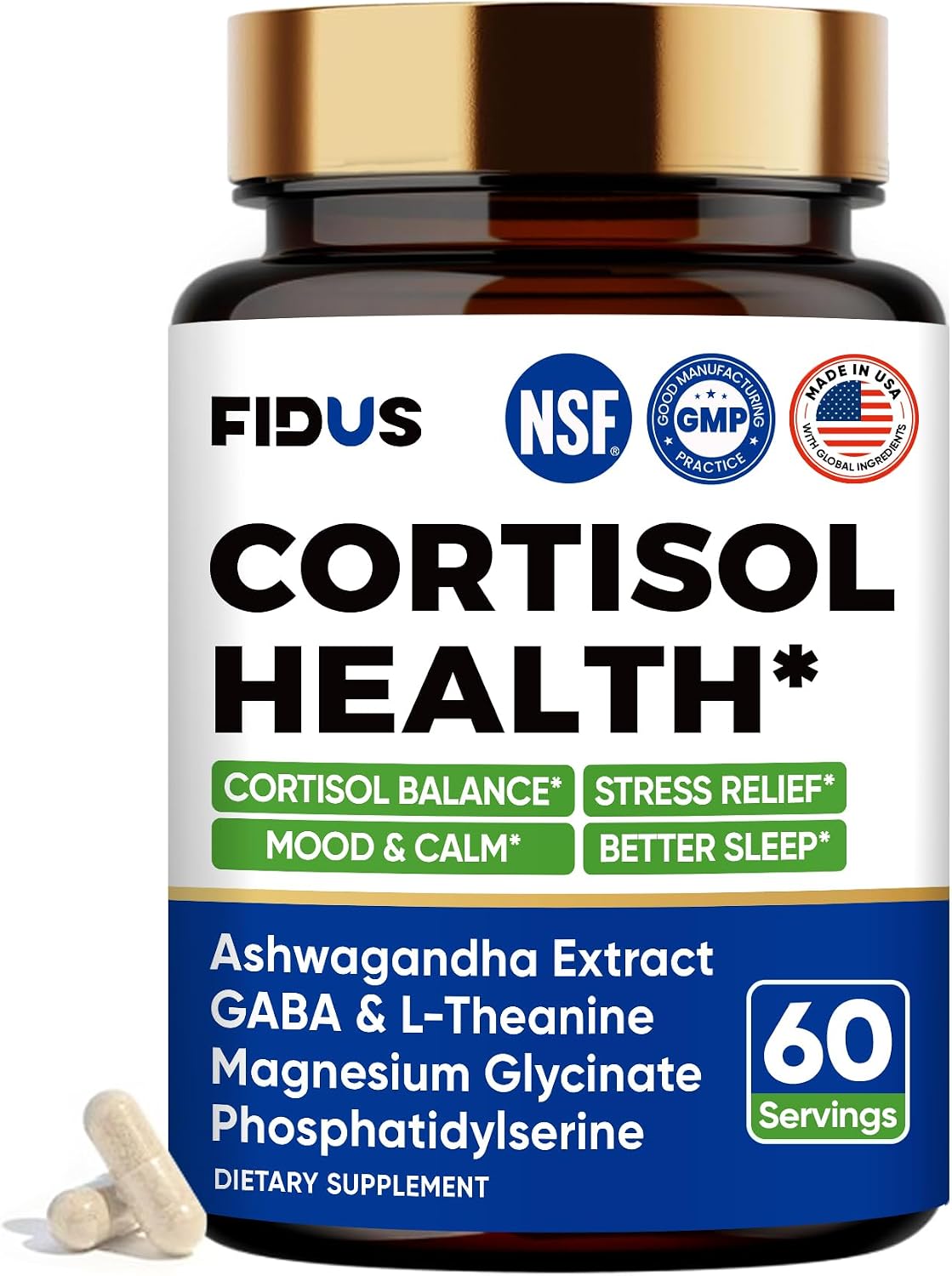
Cortisol Supplement for Women & Men with Ashwagandha & GABA – Magnesium, L-Theanine & Rhodiola, Stress Support for Sleep, Mood & Focus, 60-Day Supply, Made in USA
$15.29 $19.99
50% OFF
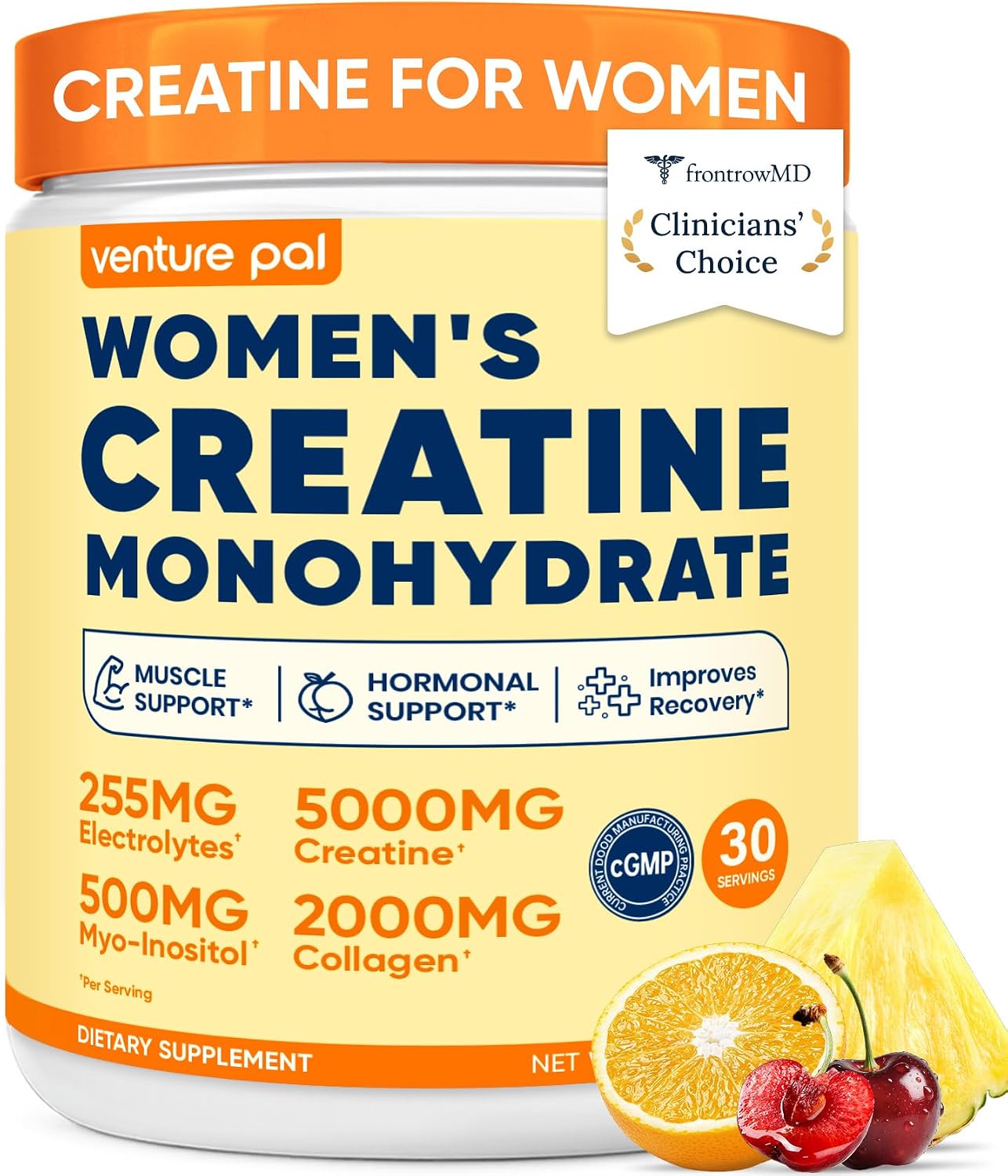
Venture Pal 18-in-1 Creatine for Women – Creatine Monohydrate with Collagen, Myo & D-Chiro Inositol, Electrolytes & Vitamins for Strength, Recovery & Skin Support, Sugar Free, 10.58 oz
$14.99 $29.99
32% OFF
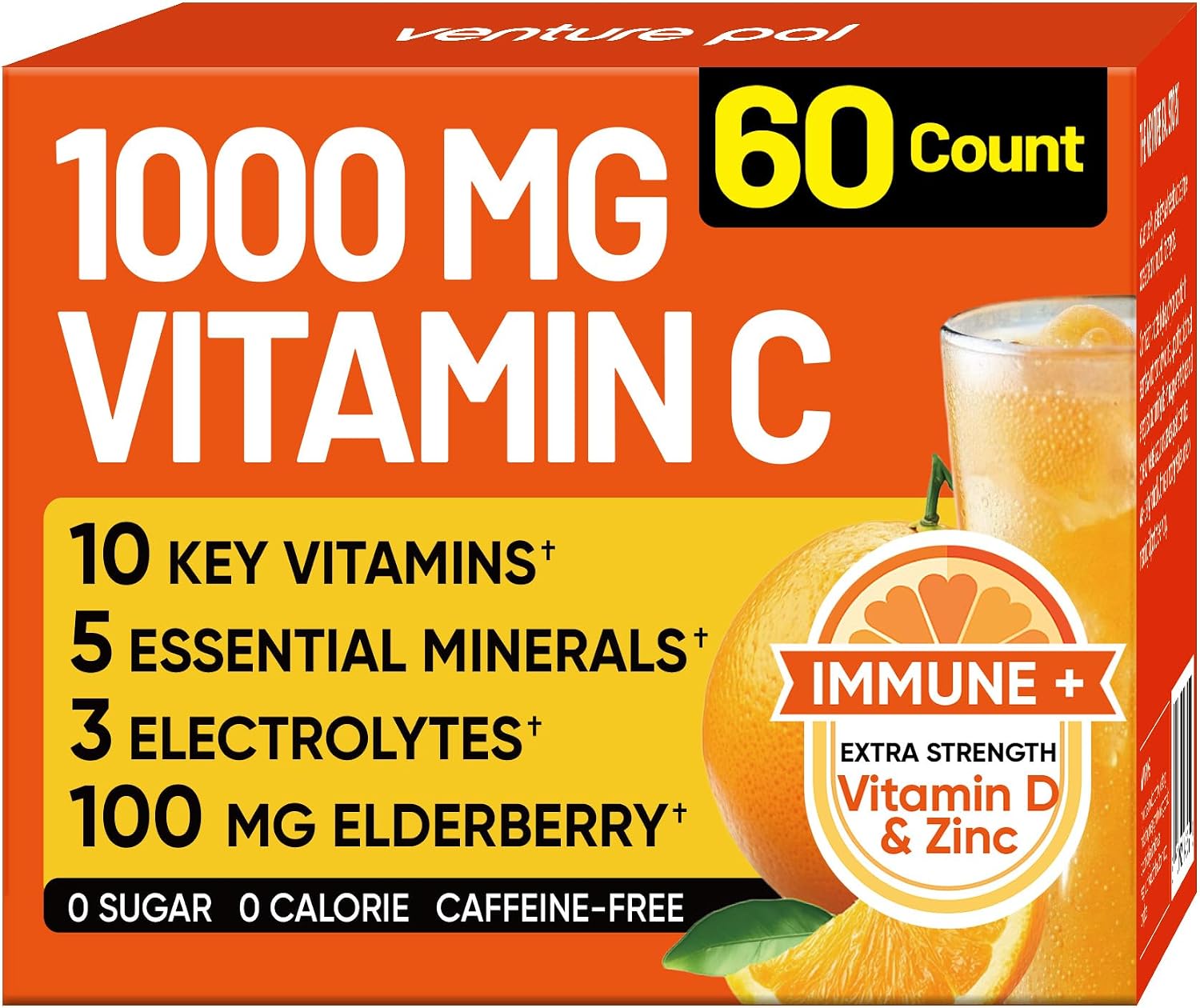
Venture Pal 1000mg Vitamin C Powder with Zinc & Elderberry – Sugar Free B Complex, 10 Vitamins, Minerals & Electrolytes, Daily Immune & Energy Support Packets, 60 Count
$13.59 $19.99
20% OFF
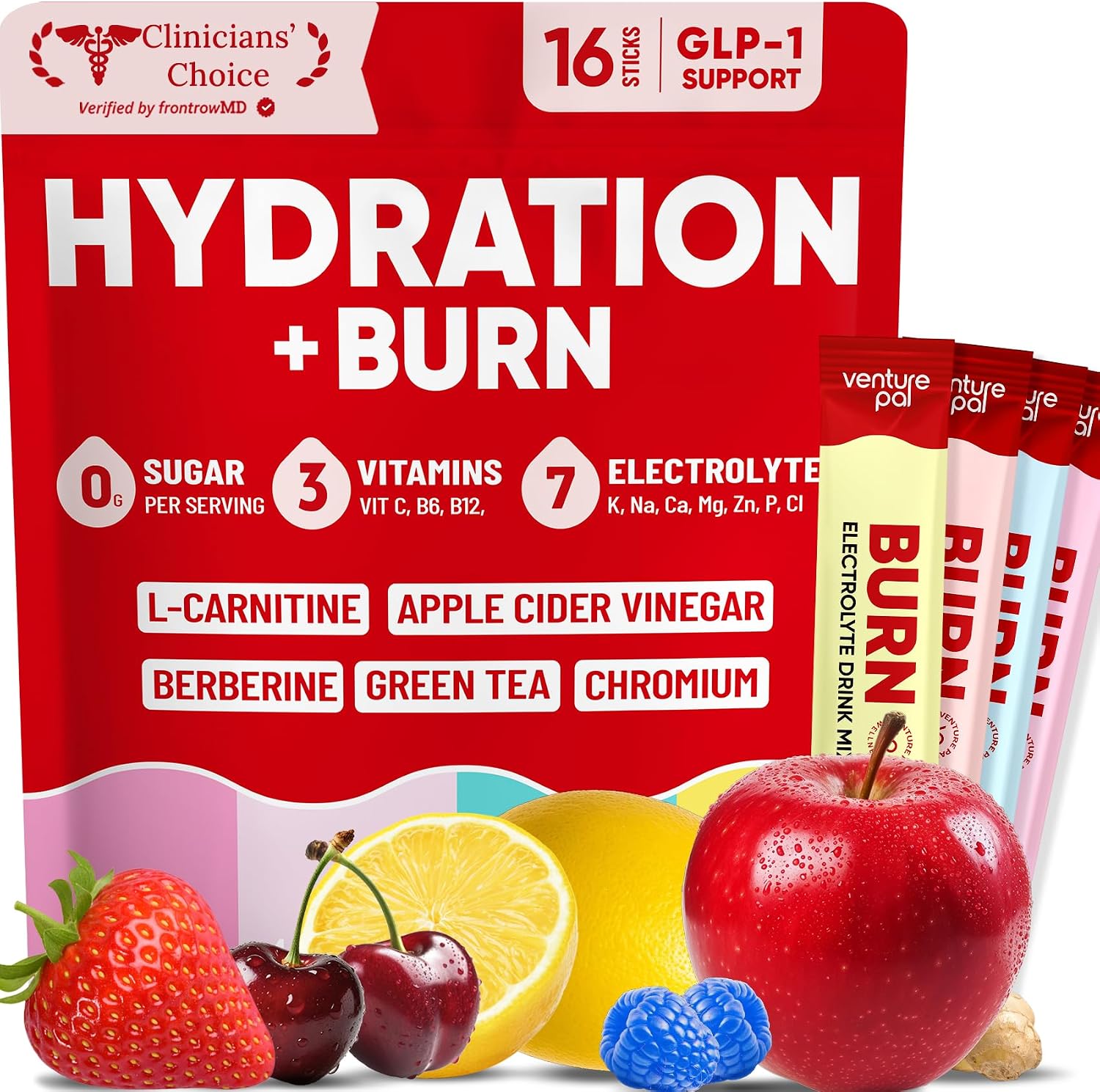
Venture Pal Burn Electrolyte Packets – Sugar Free Hydration with 7 Electrolytes, L-Carnitine, Berberine, ACV & Chromium, Metabolic & Satiety Support, Keto & Vegan, 16 Sticks
$15.99 $19.99




-

Canadian family claim Christian grandmother was euthanised against her wishes
-

Bethel pausing sale of The Passion Translation amid backlash
-

Requiem Mass held for Ann Widdecombe at Buckfast Abbey
-

Jen Hatmaker says she no longer believes in Hell
-

AI has an 'impersonation problem', American Bible Society warns
-

Are churches missing out in the bitcoin boom?
Most Popular
related articles
Ecumenical Head Discusses Role of Religion in Building China's Future
Ecumenical Head Discusses Role of Religion in Building China's Future
Ecumenical Christian Delegation Concludes Historic Visit to China
Ecumenical Christian Delegation Concludes Historic Visit to China
World Ecumenical Head Urges 'Spiritual & Practical' Ecumenism during Taiwan Visit
World Ecumenical Head Urges 'Spiritual & Practical' Ecumenism during Taiwan Visit
World Theologians Set to Debate Theological Basis of Cruelty
World Theologians Set to Debate Theological Basis of Cruelty
News
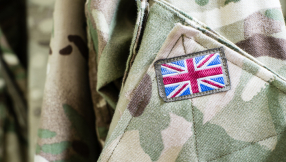
Why are so few Britons willing to fight for their country?
The erosion of Christian faith and virtues may help explain why fewer Britons feel a duty to defend their country and its inheritance.

Global church body concerned for Armenian Church amid dispute with state
The Armenian Apostolic Church (AAC) has been engaged in a years long cold war with the Armenian government.

Twenty African countries back charter affirming traditional marriage and opposition to abortion
Twenty African countries have endorsed a new charter affirming national sovereignty over issues including abortion, marriage and family policy, amid an ongoing debate over the influence of Western governments and international organisations on social policy across the continent.

Government cohabitation plans risk undermining marriage, Christian group warns
Had Taylor Swift and her former boyfriend been together under the government’s proposed system, Swift could potentially have been on the hook for tens of millions of dollars.
Lumbar Support Pillow for Car with Headrest – Memory Foam Full-Length S-Curve Back & Neck Cushion for Long Drives, Fits Cars, SUVs & Trucks
$32.89
Soothfeel Men's Running Shorts with Zipper Pockets – Quick Dry Athletic Shorts in 9", 7" & 5" Inseams for Basketball, Gym & Workout
$12.91
Men's Slip On Walking Shoes – Hands-Free Casual Sneakers with Arch Support, Wide Stable Base, Breathable Knit Upper, Non-Slip Traction
$29.99
Pudolla Men's UPF 50+ Sun Shirt – Long Sleeve Quick Dry Hiking & Running Shirt with Thumb Holes, Lightweight Moisture-Wicking Rash Guard Base Layer
$11.99
Vilanva Women's Walking Shoes – Cushioned Lightweight Running Sneakers with Slip-Resistant Sole, Breathable Woven Upper for Everyday Wear & Workouts
$35.09
Rocoren 12-Pack Magnetic Cable Clips – 360° Rotating Cord Organizer with No-Residue Adhesive, Cord Holder for Desk, Nightstand, Wall, Car & Office, White
$6.5
Red Light Therapy Mask for Face – 7-Color LED Silicone Facial Mask, Cordless Rechargeable Skincare Device with 240 LEDs for Home & Travel
$39.99
Men's Slim Fit Polo Shirt – Quick Dry Moisture Wicking, High Elasticity, Athletic Fit Polo for Golf, Tennis, Work & Casual Wear (Runs Small, Size Up)
$6.99
AVANTEK Wireless Doorbell CB-11 – 1000 ft Range, 1 Button + 1 Plug-In Receiver, 115 dB Volume, LED Flash, 52 Chimes, Waterproof, 3-Year Battery
$12.91
Women's Workout Shirts – Bum-Covering Length Short Sleeve Dry Fit Tops, Lightweight & Breathable for Athletic, Hiking, Running & Summer Wear
$6.99
Coostar Men's Casual Dress Sneakers – Lightweight Wingtip Oxford Style with Breathable Knit Upper, Rubber Sole & Slip-On Elastic Collar, Business & Walking Shoe
$22.49
Pudolla Men's Quick Dry Hiking and Golf Shorts with 3 Zipper Pockets
$14.84
Venture Pal Ceremonial Grade Matcha Green Tea Powder – First Harvest, Shade Grown, 100% Pure with No Additives, Unsweetened, Vegan & Gluten-Free, 30g Tin
$7.5
Venture Pal Sugar Free 7g BCAA + EAA Powder – 9 Essential Amino Acids with L-Glutamine, Caffeine, Electrolytes & Vitamins for Muscle Recovery, Growth & Hydration
$14.99
Venture Pal Sugar Free Protein Coffee – Cold Brew Mocha Instant Iced Coffee with MCT Oil, Probiotics, Fiber & 13 Vitamins, 70mg Caffeine, Keto & Gluten-Free, 20 Servings
$13.29
Venture Pal Mushroom Hot Cocoa – Natural Sleep Aid with 12 Superfoods, Melatonin 3mg, Magnesium Glycinate, L-Theanine, Glycine, Lion's Mane, Reishi & Turkey Tail, Bedtime Cocoa Mix, 30 Servings
$23.99
Cortisol Supplement for Women & Men with Ashwagandha & GABA – Magnesium, L-Theanine & Rhodiola, Stress Support for Sleep, Mood & Focus, 60-Day Supply, Made in USA
$15.29
Venture Pal 18-in-1 Creatine for Women – Creatine Monohydrate with Collagen, Myo & D-Chiro Inositol, Electrolytes & Vitamins for Strength, Recovery & Skin Support, Sugar Free, 10.58 oz
$14.99
Venture Pal 1000mg Vitamin C Powder with Zinc & Elderberry – Sugar Free B Complex, 10 Vitamins, Minerals & Electrolytes, Daily Immune & Energy Support Packets, 60 Count
$13.59
Venture Pal Burn Electrolyte Packets – Sugar Free Hydration with 7 Electrolytes, L-Carnitine, Berberine, ACV & Chromium, Metabolic & Satiety Support, Keto & Vegan, 16 Sticks
$15.99