This form of female slavery has been around since ancient times, and yet not that many people are apparently aware of its existence outside its country of origin.
This is the Hindu religious practice of appointing "devadasi," meaning "servants of god," in a kind of religious or ritual servitude that some sources say has been practiced for more than 5,000 years now in India.
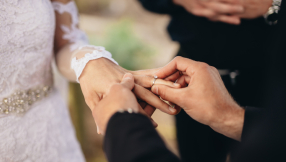
India's government outlawed the practice in 1988, yet poor parents in southern India, and Nepal as well, continue to give away their daughters as young as five years old in "marriage" ceremonies to Hindu gods or temples, according to Women Without Borders, an international advocacy and research organisation for women.
Hindu parents believe they achieve two purposes by following the tradition: They rid themselves of unwanted female children while at the same time making an offering to their gods, which they hope will appease their deity and bring them good luck.
In reality, this Hindu practice ensnares young girls into a life of sexual exploitation.
In the local language, they have a saying about a devadasi: "Servant of god, but wife of the whole town," according to the Christian church-planting organisation Mission India.
These temple slaves are exploited until the Hindu priests get tired of them. They are then sold to the highest bidder as child concubines. Eventually the girls, including the children they give birth to, are pushed to the streets to survive any way they can, mostly by begging.
Still "married to the gods," they are not allowed to marry anyone else. Most are forced to endure the remainder of their lives as prostitutes in brothels, with their distinctive bangles and pendant necklaces identifying them as former temple prostitutes.
Christian organisations like Mission India and IMB Missions have been reaching out to these poor women by offering them alternative lifestyles. These women number about 70,000 in the state of Karnataka alone and 250,000 in all of India.
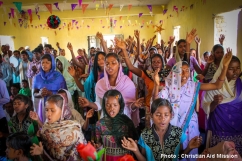
Church planters from Mission India hold group meetings with devadasis, raising their awareness about HIV and other sexually transmitted diseases, and telling them about their rights and benefits as citizens.
The church planters also share their personal testimonies, distribute Christian reading materials, and pray for devadasis who are sick.
These church planters personally visit devadasis in their homes, sharing the Gospel and praying with them.
One of the devadasis that Mission India helped is Samita. After a church planter told her about Jesus Christ, Samita readily and tearfully declared, "I am ready to leave my goddess, who has made me a prostitute."
Samita eventually received Jesus as her personal Savior and abandoned her devadasi life.
Now she works for daily wages in the village fields, sharing with others in the community about the Good News of Jesus and His goodness towards her.