
LONDON - The Bank of England cut interest rates for the first time in over 2 years on Thursday in order to shore up the economy in the face of a global credit crunch after a week of feverish speculation over what it would do.
The quarter-point cut to 5.5 percent, which reversed July's hike, was needed, the central bank said, because economic growth was slowing and the state of financial markets was getting worse, piling pressure on both companies and consumers.
"The Bank of England has pulled the rip-cord to much lower rates," said David Brown, economist at Bear Stearns.
In the United States, where the market troubles began, the Federal Reserve has already chopped rates by 75 basis points and looks certain to cut again next week as the turmoil rages on.
A Reuters poll after the Bank cut put the chances of another reduction in Britain in the first three months of 2008 at 80 percent. Two-thirds said rates would hit 5 percent by June.
Retail and business groups cheered the early Christmas present and the government must be hoping the prospect of cheaper mortgage payments will revive flagging consumer spirits and restore Prime Minister Gordon Brown's poll ratings.
As expected, Halifax, the nation's largest mortgage lender, said it would cut its standard variable mortgage rate by 25 basis points for existing borrowers from Jan 1.
FROM SCROOGE TO SANTA
But some questioned whether a cut was really appropriate now given rising price pressures. In Frankfurt, the European Central Bank left interest rates on hold and a cut seems a long way off given euro zone inflation is at a 6-year high.
Even in London, Europe's biggest financial centre, most banks thought until this week that the Bank would keep interest rates unchanged this month given the soaring cost of food, oil and other commodities.
That changed on Wednesday when one survey showed house prices falling sharply and another that the country's huge services sector had slowed further in November. Banks tore up their forecasts of no change and tabloid newspapers started screaming for lower borrowing costs.
"If ever a rate cut was aimed at animal spirits in the economy this was it," said Andrew McLaughlin, Royal Bank of Scotland Group chief economist. "Inflation remains a concern for many committee members and some will have voted to cut through gritted teeth."
The Bank acknowledged that risks to inflation still lie on the upside but said the slowing in the economy should ease the pressure to raise prices.
Stock markets and interest rate futures which had initially rallied on the Bank decision fell back as investors took in the comments to mean that another cut was not inevitable.
"The MPC is trying to portray the move as bringing forward the timing ...rather than a downpayment on more," said Malcolm Barr, economist at JP Morgan.
"And the explicit mention of 'upside risks' to inflation , which the Committee will continue to "monitor carefully" serves to reinforce the hawkish tone of the statement as a whole."
Certainly, not all the economic data has been uniformly bad. Official figures out earlier on Thursday showed manufacturing output rising more than expected and other surveys have shown businesses not being hit too hard by the credit crunch.
"We're more likely than not to see some slowing down in the economy but I don't think it's cause for alarm at this point," RBS chief executive Fred Goodwin told reporters.
"It's not a bad picture. We're all expecting to see economic growth slowing down a bit, but the jury is out on how big a slowdown that will be."
Markets are now waiting for the minutes of the Bank's Monetary Policy Committee meeting in a couple of weeks to see how many members voted for a cut.
"Our baseline view is that there was a fairly clear majority in favour of a cut, with perhaps Andrew Sentance and Tim Besley remaining as hawkish dissenters," said Alan Castle, economist at Lehman Brothers.
49% OFF
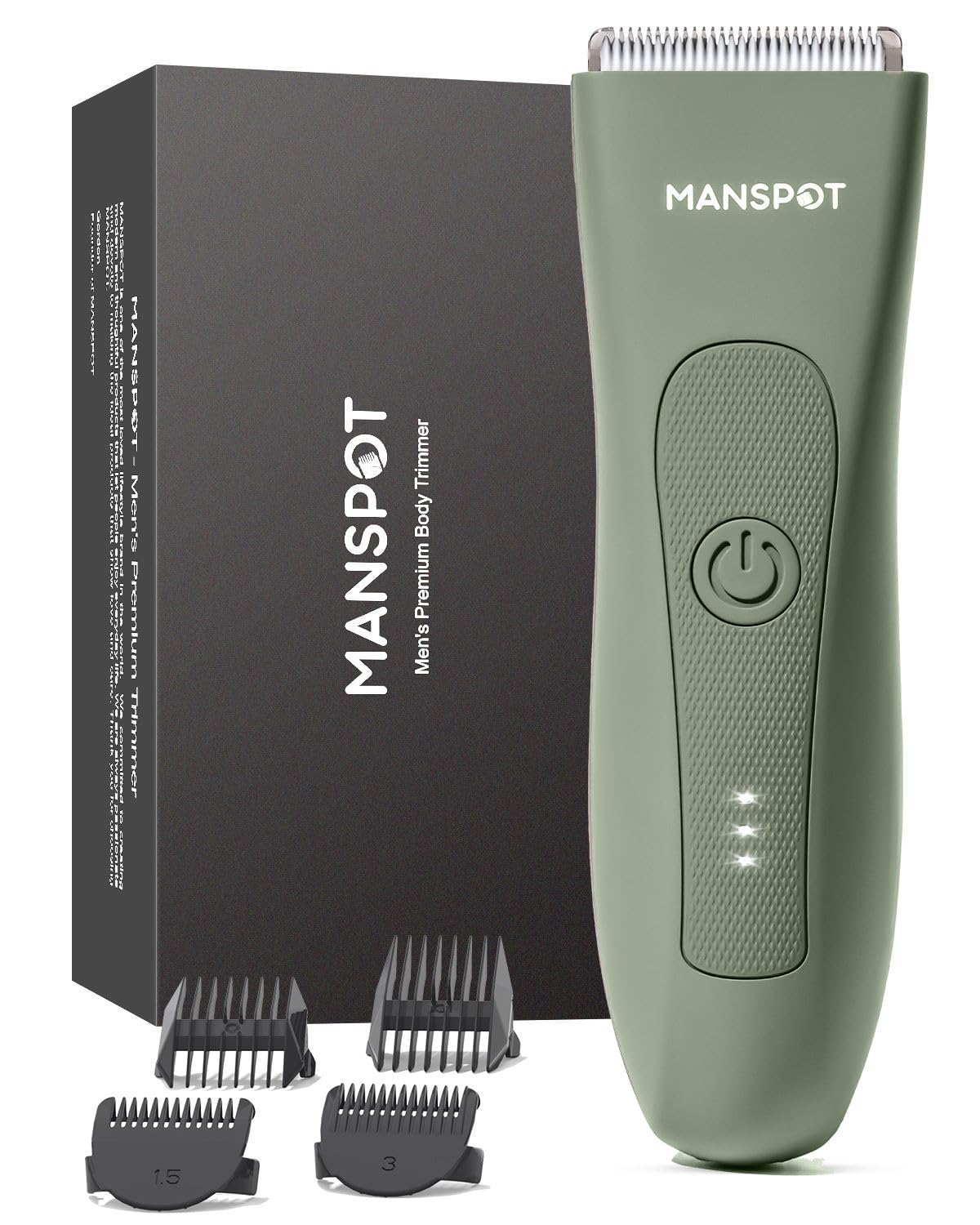
MANSPOT Electric Pubic Hair Trimmer - Waterproof Body and Groin Shaver for Men and Women (Black)
$20.39 $40
25% OFF

Lick-Safe Dog Paw and Nose Balm Stick - All-Natural Moisturizer with Coconut Oil for Dry, Cracked Pads and Snout
$11.69 $15.59
77% OFF
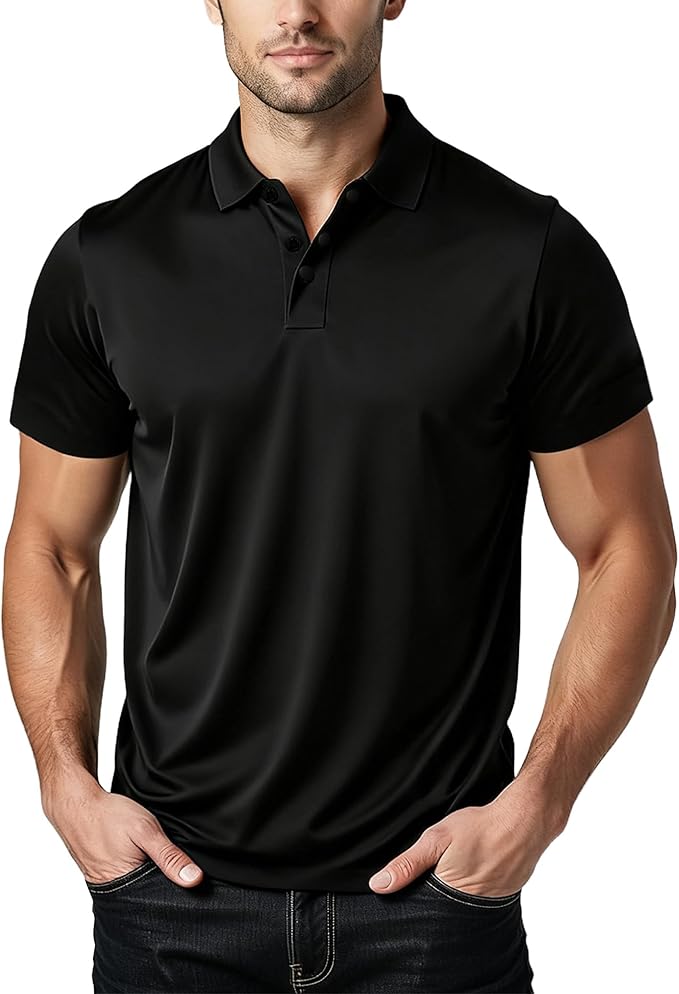
Men's Quick Dry Moisture Wicking Polo Shirt - High Elasticity Slim Fit Athletic Top (Runs Small)
$6.99 $29.99
46% OFF
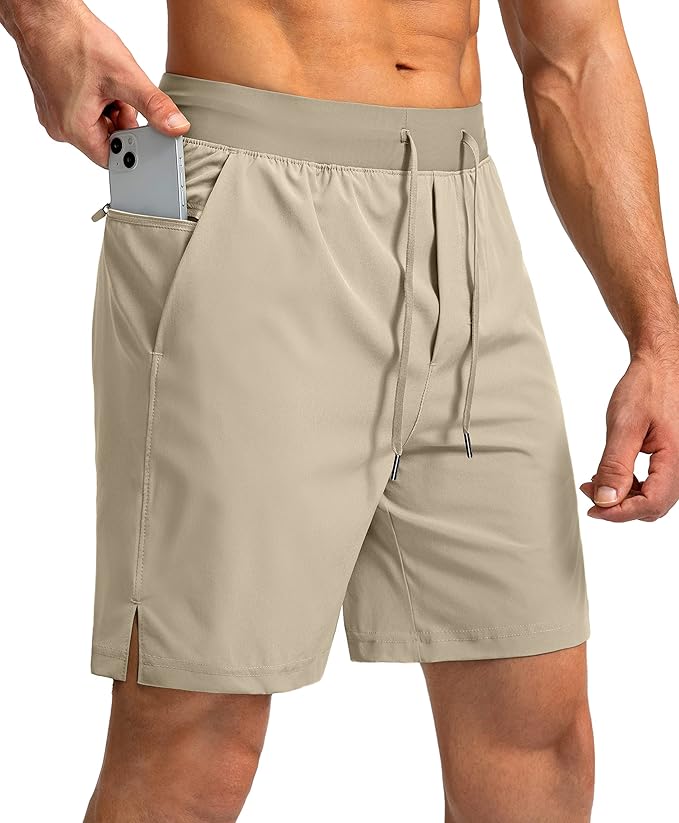
Men's Running Shorts with Zipper Pockets - Lightweight, Quick-Dry, Multi-Sport
$12.95 $23.99
50% OFF

NEWFAST NF-RE523 AC1200 WiFi Extender - 1200Mbps Dual Band Signal Booster & Internet Repeater
$18.5 $36.99
48% OFF
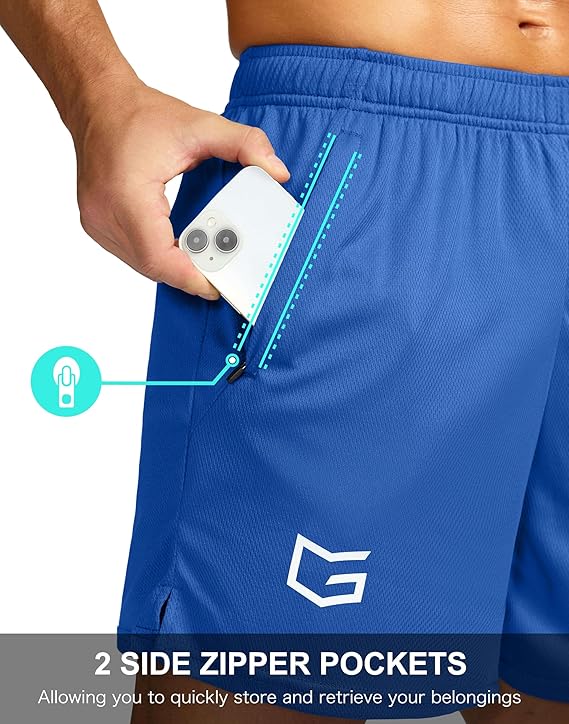
G Gradual Men's 7-inch Workout Running Shorts - Lightweight, Quick-Dry, Comfort
$12.91 $24.99
30% OFF
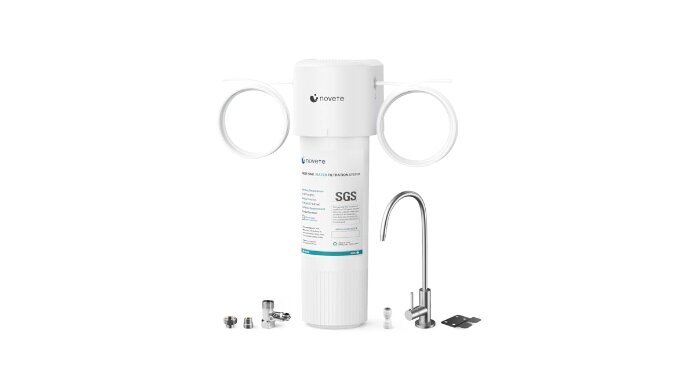
NOVETE Under Sink Water Filter - 3 Years, 30,000 Gallons, High-Efficiency Filtration
$41.99 $59.99
50% OFF

HDPE All-Weather Adirondack Chair with Built-In Cup Holder - Tool-Free Assembly (Grey)
$69.99 $139.99
60% OFF

HOMETUK Clear Plastic Storage Bins with Dividers - 3-Pack Stackable Acrylic Organizer Containers for Fridge and Pantry
$19.99 $49.99
58% OFF

G Gradual Men's Fishing Shirt - UPF 50+ Lightweight Short Sleeve Button Down with Zipper Pockets
$14.99 $35.99
55% OFF

Everyfun 60" Rectangular Platform Tree Swing - 700lbs Heavy Duty Adjustable Outdoor Swing (Colorful)
$49.99 $110.99
61% OFF

Ekouaer Women's Casual Loose Jumpsuit - One-Piece Printed Sleeveless Wide Leg Romper with Pockets
$14.99 $37.99
36% OFF

Men's Athletic Running Shorts with Zipper Pockets - Lightweight & Quick Dry
$12.74 $19.99
61% OFF

Modern Ceiling Fan with Light and Remote - Reversible Quiet DC Motor
$69.3 $179.99
50% OFF

MOOKA H13 True HEPA Air Purifier for Home Large Room - 1076 sq ft Odor Eliminator
$39.97 $79.95
40% OFF
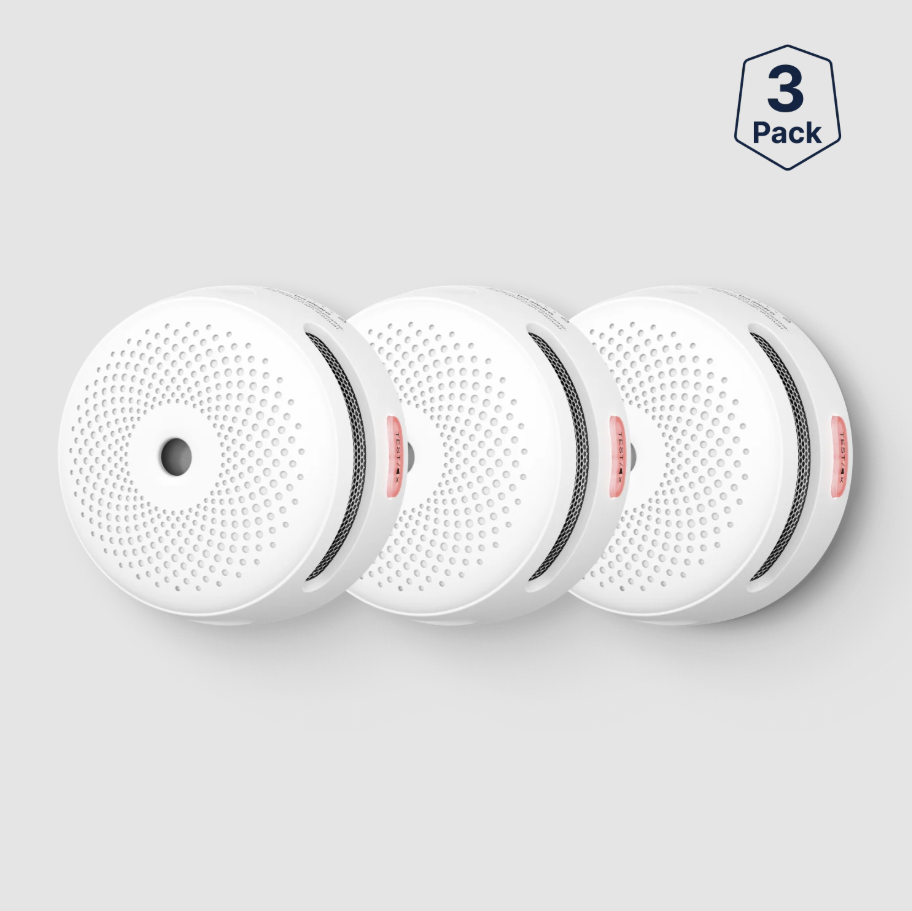
X-Sense XS01-WX Smart Smoke Alarm - 2.4 GHz Wi-Fi Photoelectric Fire Detector with Mobile App Alerts
$65.99 $109.99
11% OFF

VitaUp Beet Root Gummies with CoQ10 & Grape Seed - Nitric Oxide Circulation Support (60 Count)
$24.91 $27.91

Sealy 2-Pack Tritech 16" Twin Inflatable Air Mattress with Built-in AC Pump
$0 $113.99
20% OFF

INTEX Prism Frame 20ft x 52in Above Ground Pool Set - Round Steel Frame Swimming Pool
$695.99 $869.99

Gardner Pet 43" Heavy Duty Dog Crate with Wheels - Indestructible Folding Metal Cage (Black)
$0 $149.99




-

Diary of a CEO’s Steven Bartlett and John Lennox discuss AI, faith and the search for meaning
-

Belfast churches 'heartbroken' over unrest
-

Is there a two-tier Britain?
-

Churches must disciple well and listen well in response to rise of Christian nationalism
-

Welsh reverend speaks of culture of fear over LGBT issues
-

South Wales Police back down on imposing Islamic 'blasphemy law'
Most Popular
News

Anti-Christian hate crimes across Europe surge in May as arson attacks reach 2026 high
Anti-Christian incidents across Europe rose sharply in May, with new figures showing the highest monthly number of arson-related attacks recorded so far this year.

Gloucester churches come together to bless River Avon amid pollution concerns
It is part of a broader campaign against river pollution as concerns remain about the amount of untreated sewage in the Avon.

Life beyond burnout: how Christians can grow in the desert seasons
Christian Today speaks to author and Anglican priest Tish Harrison Warren about growth in desert seasons and why the Church shouldn’t treat all spiritual weariness as a problem to fix.

Iranian-born bishop stands in solidarity with Britain's Jews
2025 had the second highest number of antisemitic incidents on record.
MANSPOT Electric Pubic Hair Trimmer - Waterproof Body and Groin Shaver for Men and Women (Black)
$20.39
Lick-Safe Dog Paw and Nose Balm Stick - All-Natural Moisturizer with Coconut Oil for Dry, Cracked Pads and Snout
$11.69
Men's Quick Dry Moisture Wicking Polo Shirt - High Elasticity Slim Fit Athletic Top (Runs Small)
$6.99
Men's Running Shorts with Zipper Pockets - Lightweight, Quick-Dry, Multi-Sport
$12.95
NEWFAST NF-RE523 AC1200 WiFi Extender - 1200Mbps Dual Band Signal Booster & Internet Repeater
$18.5
G Gradual Men's 7-inch Workout Running Shorts - Lightweight, Quick-Dry, Comfort
$12.91
NOVETE Under Sink Water Filter - 3 Years, 30,000 Gallons, High-Efficiency Filtration
$41.99
HDPE All-Weather Adirondack Chair with Built-In Cup Holder - Tool-Free Assembly (Grey)
$69.99
HOMETUK Clear Plastic Storage Bins with Dividers - 3-Pack Stackable Acrylic Organizer Containers for Fridge and Pantry
$19.99
G Gradual Men's Fishing Shirt - UPF 50+ Lightweight Short Sleeve Button Down with Zipper Pockets
$14.99
Everyfun 60" Rectangular Platform Tree Swing - 700lbs Heavy Duty Adjustable Outdoor Swing (Colorful)
$49.99
Ekouaer Women's Casual Loose Jumpsuit - One-Piece Printed Sleeveless Wide Leg Romper with Pockets
$14.99
Men's Athletic Running Shorts with Zipper Pockets - Lightweight & Quick Dry
$12.74
Modern Ceiling Fan with Light and Remote - Reversible Quiet DC Motor
$69.3
MOOKA H13 True HEPA Air Purifier for Home Large Room - 1076 sq ft Odor Eliminator
$39.97
X-Sense XS01-WX Smart Smoke Alarm - 2.4 GHz Wi-Fi Photoelectric Fire Detector with Mobile App Alerts
$65.99
VitaUp Beet Root Gummies with CoQ10 & Grape Seed - Nitric Oxide Circulation Support (60 Count)
$24.91
Sealy 2-Pack Tritech 16" Twin Inflatable Air Mattress with Built-in AC Pump
$0
INTEX Prism Frame 20ft x 52in Above Ground Pool Set - Round Steel Frame Swimming Pool
$695.99
Gardner Pet 43" Heavy Duty Dog Crate with Wheels - Indestructible Folding Metal Cage (Black)
$0