
CARE warmly welcomes the publication of the Bailey Review which contains a series of very important policy recommendations for the purpose of protecting children from premature sexualisation (1).
In what follows, we outline some of the headline recommendations and then reflect on the key ‘what next?’ question.
1) Advertising
The Review calls on the industry to apply the social responsibility clause in the Committee on Advertising Practice Code (CAP) to advertising containing sexualised imagery in the same way it already does for advertising relating to alcohol. It also calls on the Advertising Standards Authority to have regard for the location of advertising and the numbers of children likely to be exposed to it when assessing compliance with the Committee on Advertising Practice Code. The ASA should ensure that its standards encompass location and that parents views on this are taken into account.
2) Newspapers and Magazines
The Review calls on retailers to have greater regard for the National Federation of Retail Newsagents Code of Practice and not to place highly sexualised images within the sight of children. It also calls on publishers to place the newspapers and magazines in question in modesty sleeves or behind modesty boards.
3) Internet
The Review calls on the industry to put parents in control through the provision of parental control software and robust age verification procedures so that children don’t stumble across completely inappropriate material.
4) Television
The Review calls on broadcasters to afford parents a much more significant role in defining what material it is appropriate to show before the 9 pm watershed.
5) Music Videos
The Review calls for a change of the law so that music videos - which often contain highly sexualised imagery - are rated under the Act.
Having outlined these key Review recommendations, the key question is what happens next? There have been four other reports dealing with the sexualisation and commercialisation of childhood in recent years and yet nothing much seems to have changed (2).
The Bailey Review, however, is arguably rather different from preceding reports because it was commissioned directly by the Prime Minister and responds to a clear Coalition Agreement commitment to address the sexualisation and commercialisation of childhood (3). The Review is consequently backed by a greater, more visible political will than any previous report.
Whilst the stronger political will associated with the Bailey Review is a reason for encouragement, some might point out that a lot of its recommendations are actually addressed to businesses and regulators rather than government. The political will, however, remains completely relevant because government is uniquely placed to ensure that the industry and regulators respond appropriately by formally requesting compliance, backed up with the promise that if they fail to act the law will be changed to require them to do so.
Today the Minister responsible, Sarah Teather, has actually provided the formal government response welcoming "Mr Bailey’s analysis and the thrust of his recommendations" (4).
Two specific commitments have been made. First, the Department of Culture Media and Sport will consult on amending the Video Recordings Act so that music videos fall within its regulatory scope. Second, the Government has called on those businesses that need to make changes to become compliant with the Review recommendations, to do so, with the warning that it will review the situation in 18 months time.
In making this commitment the Government has been very clear that it does not wish to introduce new legislation, much preferring voluntary compliance, but it has also made it clear that it will introduce new regulations if the necessary changes have not been made. The challenge for parents, and supporting charities, therefore, will be to remind the Government when the 18 months are up, December 2012, and to press them to introduce whatever legislative changes are then necessary.
(1) You can access the Bailey Review here: www.education.gov.uk/publications/standard/publicationDetail/Page1/CM%208078
(2) For more on the other four reviews mentioned above go here: www.education.gov.uk/b0074315/bailey-review/further-information(3) You can see the commitment to tackle the commercialisation and premature sexualisation of childhood in the Coalition Agreement under the heading 14 ‘Families and Children’ on pages 19 and 20
www.cabinetoffice.gov.uk/sites/default/files/resources/coalition_programme_for_government.pdf
(4) To read the Government’s Response to the Bailey Review: www.education.gov.uk/inthenews/inthenews/a0077692/the-governments-response-to-the-independent-review-of-the-commercialisation-and-sexualisation-of-childhood
26% OFF

Magnelex American Flag Windshield Sun Shade - High-Resolution UV Reflective Heat Shield (X-Large)
$19.9 $26.9
50% OFF

TailSphere 12-in-1 Turkey Tail Mushroom Immune Support Chews for Dogs (90 Count)
$13.49 $26.99
50% OFF
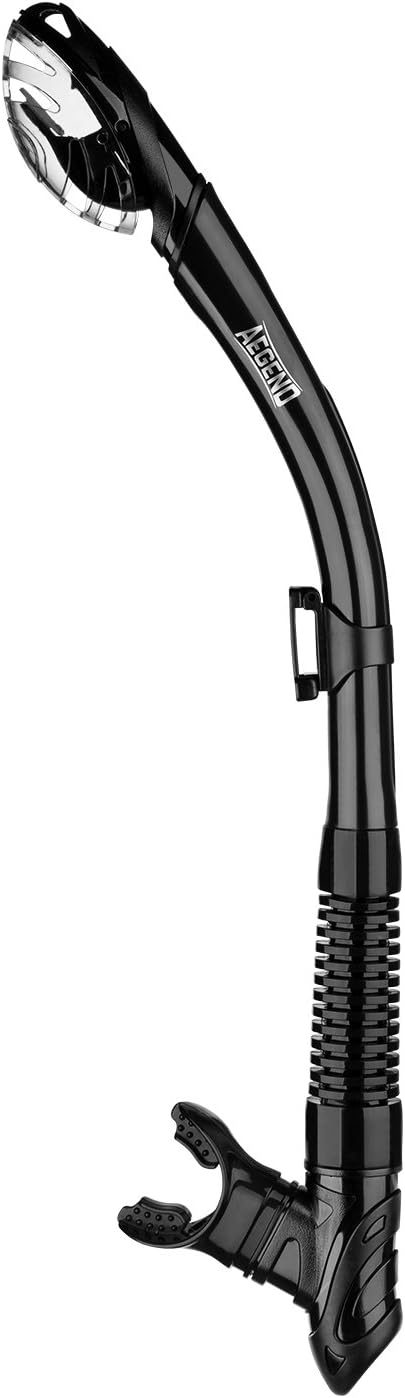
Aegend Diving Dry Snorkel for Adults and Youth with Top Dry Valve
$7.49 $14.99
50% OFF

Aegend Kids Swim Goggles for Toddlers 3-8 with Anti-Fog and No-Hair-Pull Strap
$4.49 $8.99
73% OFF
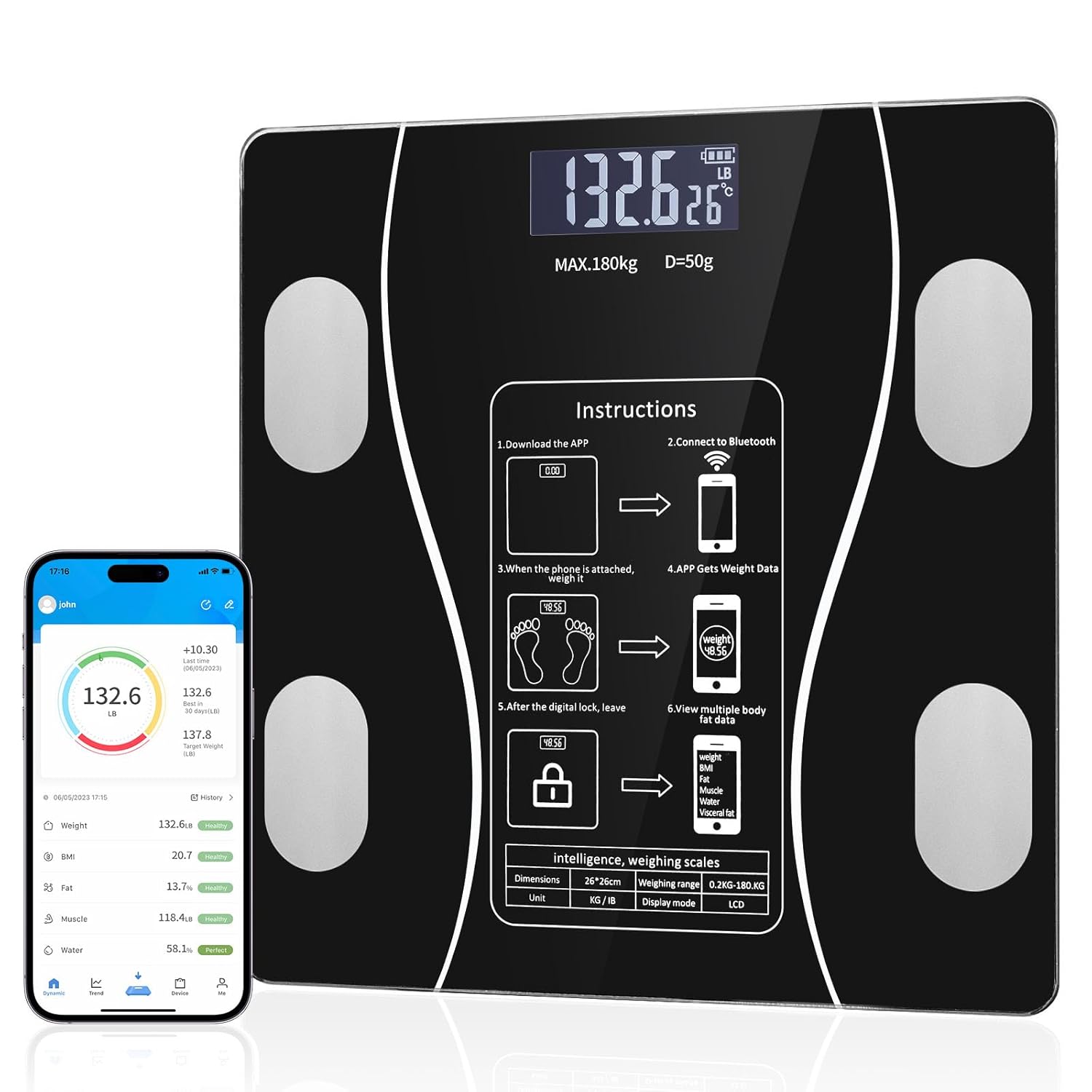
Smart Bluetooth Body Fat Scale with LED Display and Body Composition Analyzer
$21.58 $79.96
73% OFF
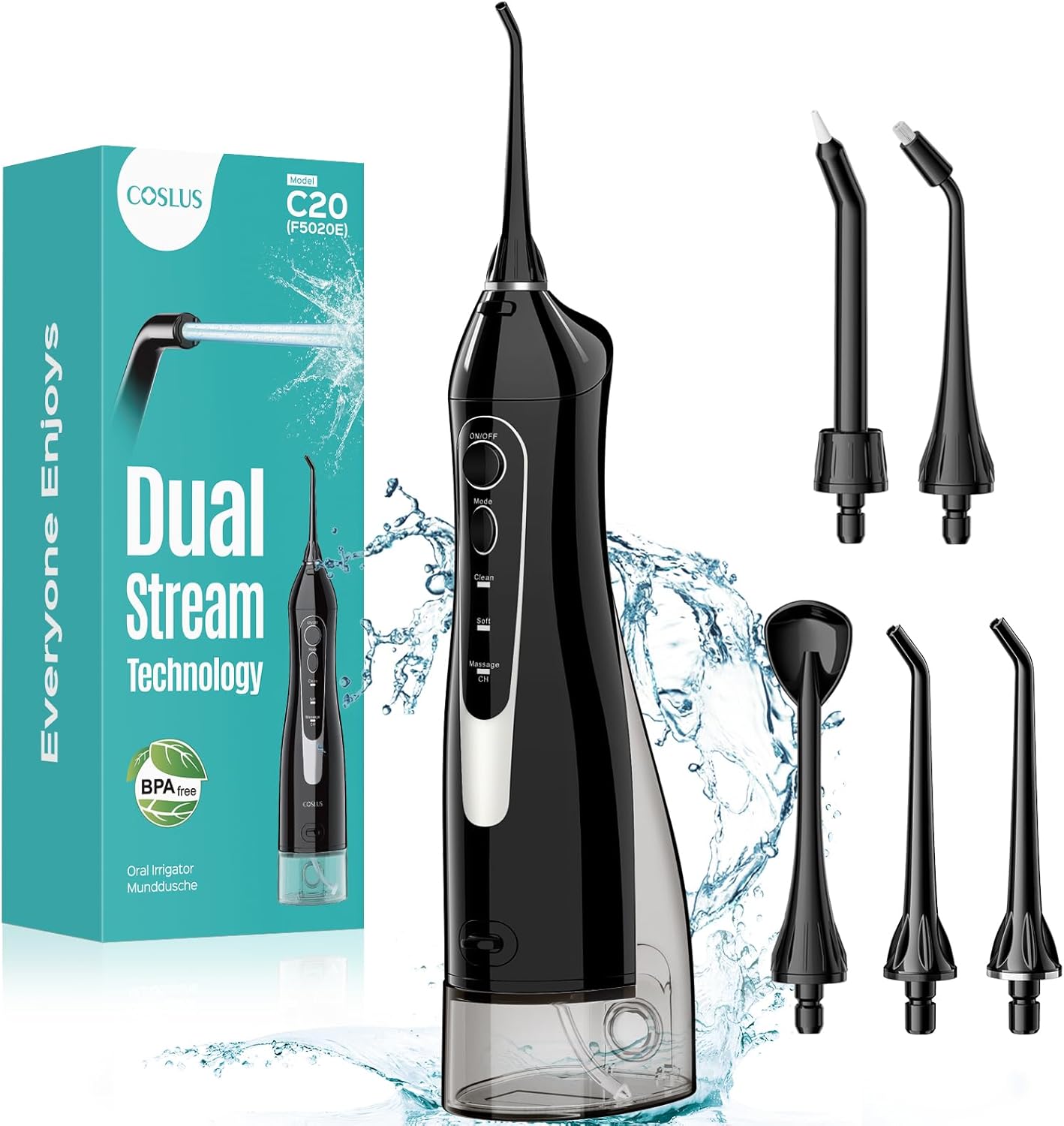
COSLUS C20 Portable Cordless Water Dental Flosser and Oral Irrigator
$7.99 $29.99
29% OFF
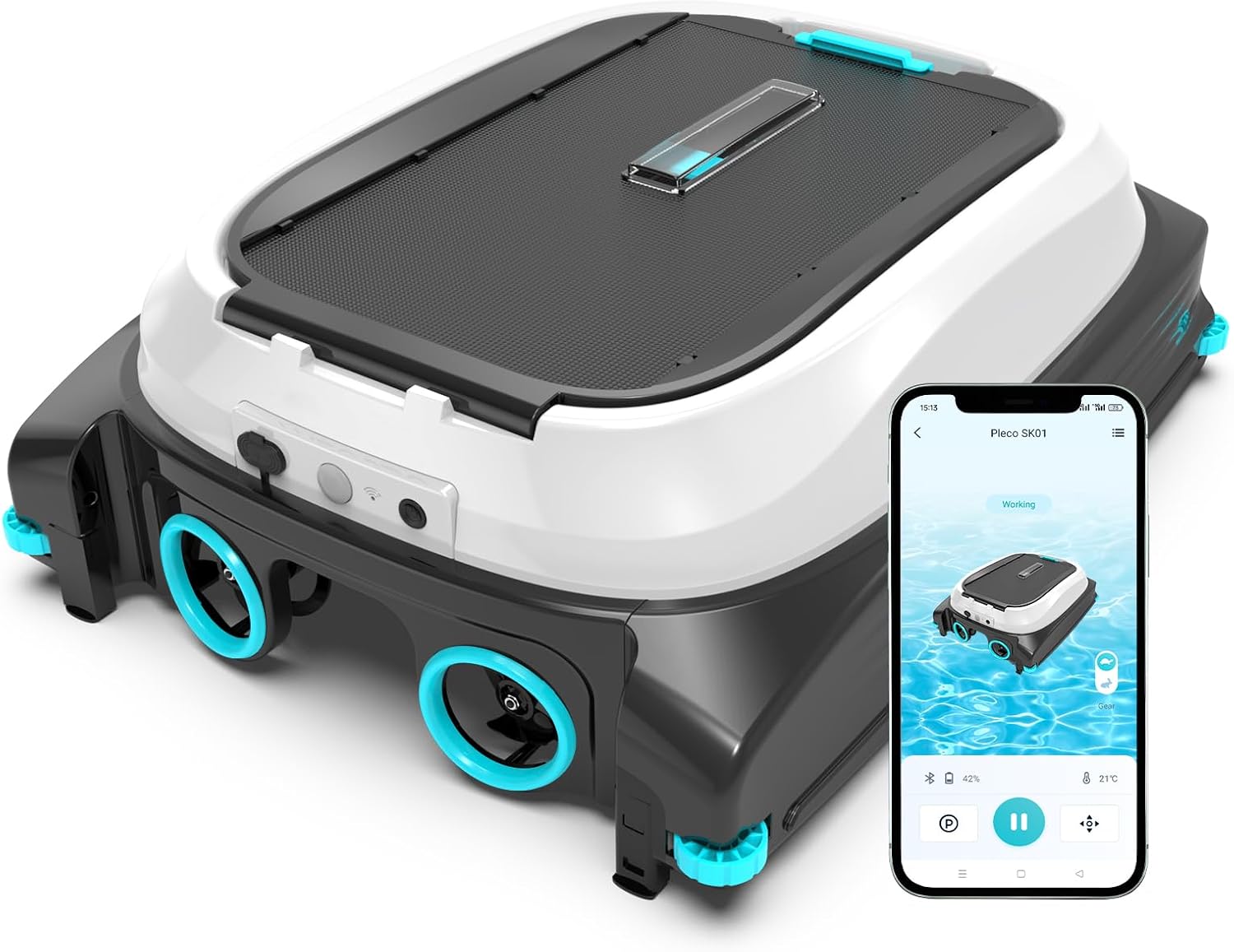
Pleco SK01 Solar Powered Robotic Pool Skimmer with App Control (Obsidian & Ivory)
$284.99 $399.99
52% OFF
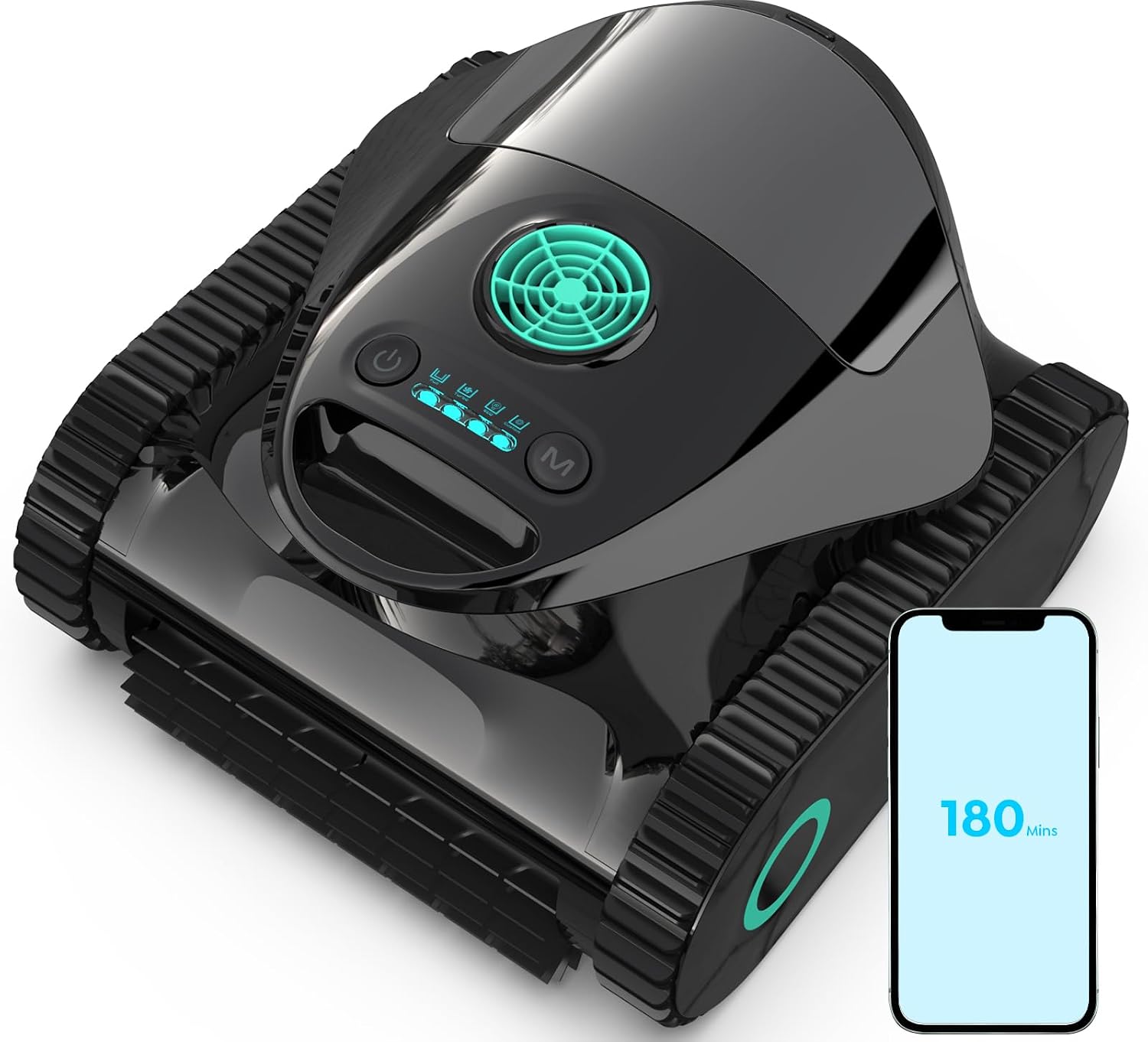
Cordless Robotic Pool Cleaner C1 with Wall Climbing and App Control (Glossy Black)
$290.69 $599.99
52% OFF
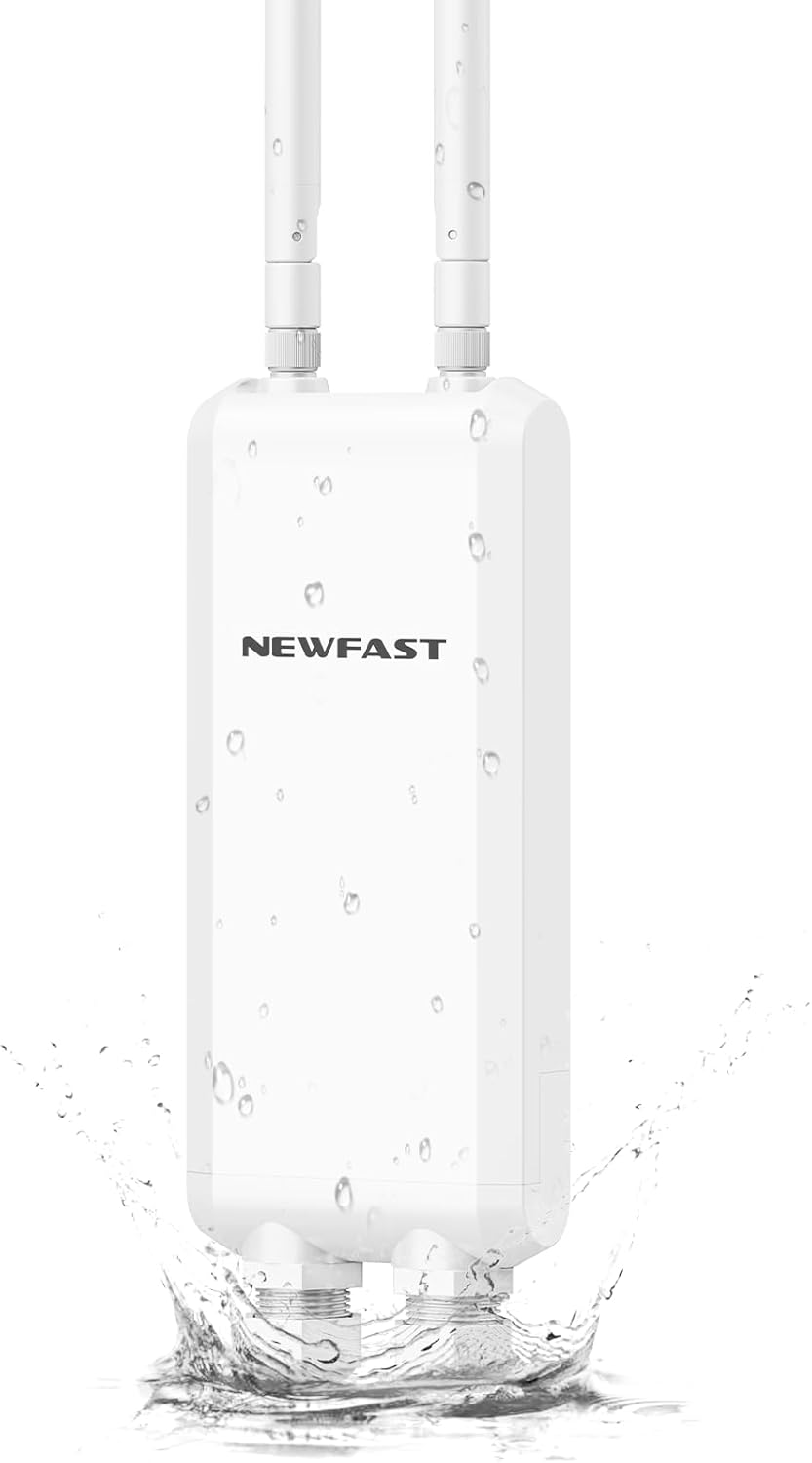
NEWFAST Outdoor WiFi Extender with MU-MIMO and 3 Gigabit Ports (IP66)
$47.99 $99.99
51% OFF

NEWFAST AXE5400 Tri-Band USB WiFi 6E Adapter with 4 Antennas (NF-U357)
$44.45 $89.99
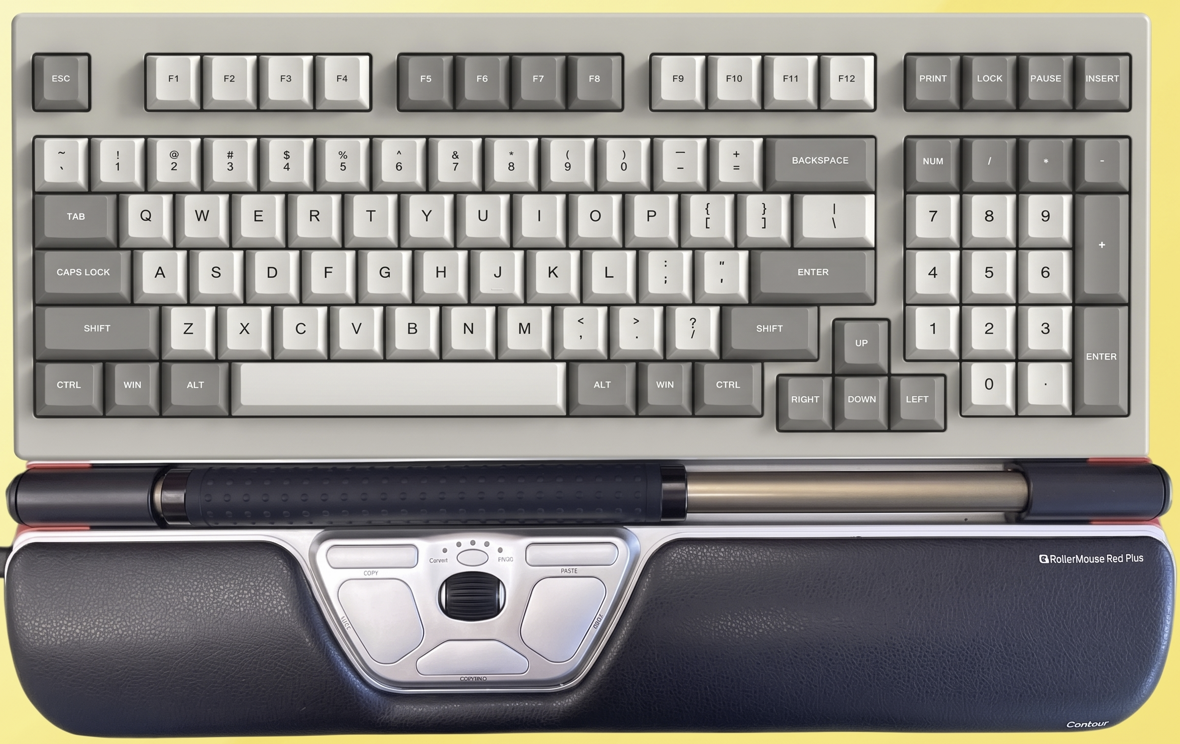
The $400 Mouse I Thought Was Ridiculously Expensive—Until It Changed How I Work
$0 $0
50% OFF

NEWFAST NF-RE523 AC1200 WiFi Extender - 1200Mbps Dual Band Signal Booster & Internet Repeater
$18.5 $36.99
36% OFF

Men's Athletic Running Shorts with Zipper Pockets - Lightweight & Quick Dry
$12.74 $19.99
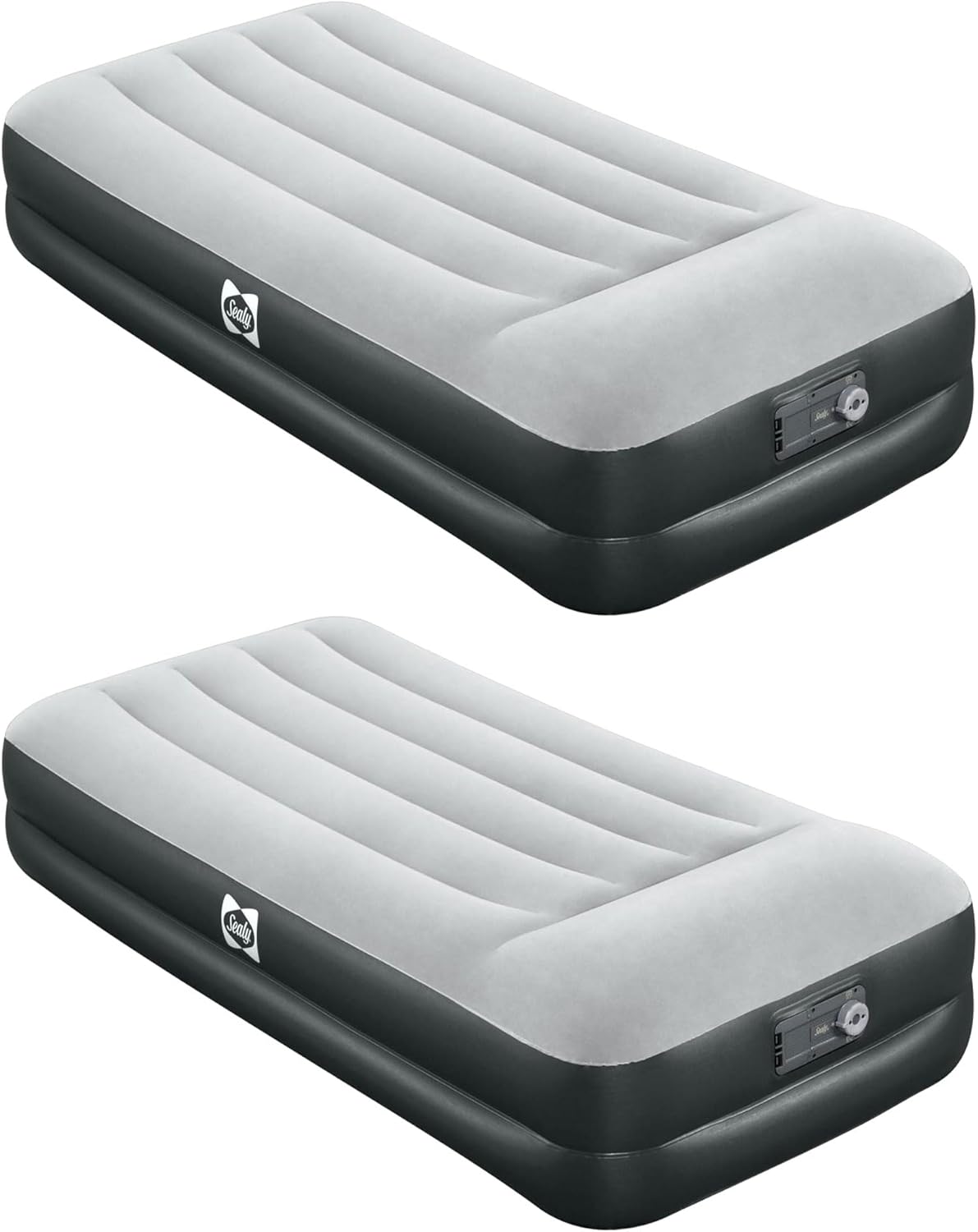
Sealy 2-Pack Tritech 16" Twin Inflatable Air Mattress with Built-in AC Pump
$0 $113.99
20% OFF

INTEX Prism Frame 20ft x 52in Above Ground Pool Set - Round Steel Frame Swimming Pool
$695.99 $869.99

Gardner Pet 43" Heavy Duty Dog Crate with Wheels - Indestructible Folding Metal Cage (Black)
$0 $149.99
23% OFF

Ergonomic Office Chair - Big and Tall Desk Chair with Adjustable Lumbar Support
$279.99 $363.99
The Tool That Finally Made Me Stop Second-Guessing My Own Wrenching
$0 $0
20% OFF

COZEWARE Visio Series 12000 BTU 20 SEER2 Smart Mini Split AC with Heat Pump (230V, 1 Ton)
$431.99 $539.99
20% OFF
COZEWARE Visio Series 9000 BTU 18 SEER2 Ductless Mini Split AC with Heat Pump (115V)
$439.99 $549.99




-

Former Queen's chaplain: King Charles has betrayed his faith, office and subjects
-

Christian teacher Enoch Burke released from prison after High Court order
-

Why C of E bishops won't oppose the Conversion Practices Bill
-

One in three pregnancies now result in abortion as England and Wales reach record high
-

Evangelicals announce month of prayer as Church of England debates same-sex relationships
-

The Archbishops must not let safeguarding be weaponised to shut down debate
Most Popular
News

Christian nurse at centre of trans pronouns row has 'no case' to answer, regulator concludes
The Nursing and Midwifery Council has decided that no action needs to be taken against a Christian nurse who refused to use the preferred pronouns of a transgender patient.

More than a million children have been referred for NHS mental health support - the Church has to be part of the solution
The mental health crisis facing children cannot be solved by healthcare alone.

July is Disability Awareness Month - Let us celebrate the diversity of God’s image in all people
Life in Christ is not shaped by uniform ability, but by interdependence in which weakness and strength are not ranked but held together.

Christian Brothers defend housing convicted sex abusers amid insolvency claims in Australia
The Christian Brothers have defended their decision to retain nine convicted child sex offenders within their religious order, saying they have a "Gospel imperative" to continue caring for all members, according to court documents filed in Australia.
Magnelex American Flag Windshield Sun Shade - High-Resolution UV Reflective Heat Shield (X-Large)
$19.9
TailSphere 12-in-1 Turkey Tail Mushroom Immune Support Chews for Dogs (90 Count)
$13.49
Aegend Diving Dry Snorkel for Adults and Youth with Top Dry Valve
$7.49
Aegend Kids Swim Goggles for Toddlers 3-8 with Anti-Fog and No-Hair-Pull Strap
$4.49
Smart Bluetooth Body Fat Scale with LED Display and Body Composition Analyzer
$21.58
COSLUS C20 Portable Cordless Water Dental Flosser and Oral Irrigator
$7.99
Pleco SK01 Solar Powered Robotic Pool Skimmer with App Control (Obsidian & Ivory)
$284.99
Cordless Robotic Pool Cleaner C1 with Wall Climbing and App Control (Glossy Black)
$290.69
NEWFAST Outdoor WiFi Extender with MU-MIMO and 3 Gigabit Ports (IP66)
$47.99
NEWFAST AXE5400 Tri-Band USB WiFi 6E Adapter with 4 Antennas (NF-U357)
$44.45
The $400 Mouse I Thought Was Ridiculously Expensive—Until It Changed How I Work
$0
NEWFAST NF-RE523 AC1200 WiFi Extender - 1200Mbps Dual Band Signal Booster & Internet Repeater
$18.5
Men's Athletic Running Shorts with Zipper Pockets - Lightweight & Quick Dry
$12.74
Sealy 2-Pack Tritech 16" Twin Inflatable Air Mattress with Built-in AC Pump
$0
INTEX Prism Frame 20ft x 52in Above Ground Pool Set - Round Steel Frame Swimming Pool
$695.99
Gardner Pet 43" Heavy Duty Dog Crate with Wheels - Indestructible Folding Metal Cage (Black)
$0
Ergonomic Office Chair - Big and Tall Desk Chair with Adjustable Lumbar Support
$279.99
The Tool That Finally Made Me Stop Second-Guessing My Own Wrenching
$0
COZEWARE Visio Series 12000 BTU 20 SEER2 Smart Mini Split AC with Heat Pump (230V, 1 Ton)
$431.99
COZEWARE Visio Series 9000 BTU 18 SEER2 Ductless Mini Split AC with Heat Pump (115V)
$439.99