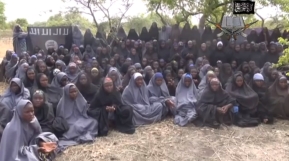
11 parents of the kidnapped Chibok schoolgirls have died, AP reports.
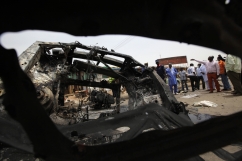
Locals have revealed that seven of the 51 people killed during an attack on Kautakari village earlier this month were fathers of the girls abducted from school on April 14.
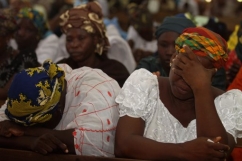
At least four more parents have died of stress-related illnesses such as heart failure and high blood pressure, which have been attributed to the trauma of losing their children.
One father apparently "went into a kind of coma and kept repeating the names of his daughters, until life left him," community leader Pogu Bitrus said.
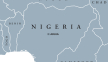
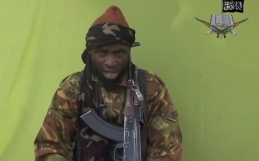
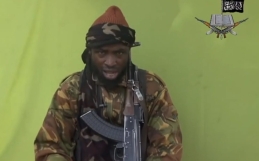
Chibok, the hometown of most of the girls, is currently under siege from Boko Haram militants, who are attempting to eradicate democracy and "cleanse" Nigeria of Christians. Their families therefore remain at risk despite the presence of around 200 Nigerian soldiers, who have as yet failed to stem the escalating violence.
The town is also said to be struggling under the pressures of refugees from local villages which have already been attacked, and has been cut off by roads "studded with burned out vehicles".
"There is a famine looming," Bitrus warned.
President Goodluck Jonathan finally met with 177 parents of the kidnapped girls yesterday, July 22, following calls from the families themselves, as well as influential leaders including activist Malala Yousafzai, to do so.
Speaking after the meeting, a spokesperson for the president insisted it was "very successful".
"Mr President reassured them [the parents] of the federal government determination and his personal determination to ensure that the girls that are still in captivity are brought out alive. He made it clear that is the main objective of the government," Reuban Abati told the press.
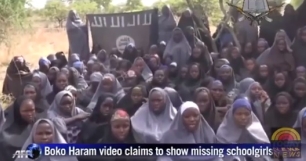
219 girls remain in captivity, over 100 days since they were taken. Their captors have demanded the release of Boko Haram fighters in return for the girls, and claim that the young women - many of whom who are Christians - have been "liberated" and converted to Islam.
They are believed to be being held in the Sambisa Forest, which borders the Sahara Desert, though some girls have been reportedly sighted in neighbouring countries Cameroon and Chad. It is likely that they are being held as sex slaves, and fears for their safety continue to mount.
The Nigerian government has faced significant criticism for its failure to secure the girls' release, including from the UN, which has stressed the importance of ensuring the full protection of all citizens across Nigeria.