
It’s been more than a year since an attack on a church in Baghdad left 58 Christians dead, but Christians in the Iraqi capital still fear for their lives, says one church leader.
Fr Amir Jaje, Superior of the Dominican Order in Baghdad, told Aid to the Church in Need: “Living in Iraq means living in fear. There’s no feeling safe and during the last two or three weeks the situation has got worse, because of tensions among political parties.”
Despite police protection outside churches, congregations still feel anxious and fear infiltration by extremists, he says.
Extremists were behind the horrific attack on Our Lady of Salvation church in Baghdad in October last year. The 58 victims included Fr Jaje’s cousin, Fr Wasim Sabieh.
A Mass was held to mark the one year anniversary of the attack and although members of the congregation came to pay their respects, they were fearful that something might happen.
"They were scared because every time there’s political tension, the extremists exploit it to cause violence and spread their message," he said.
Iraq faces an uncertain time as US troops prepare to withdraw completely from the country by December 31, turning over peacekeeping responsibilities to Iraqi security forces.
Despite the need for stability, political parties have long been at odds over who should head the government.
A new national security body was supposed to help heal the bitter rivalry between supporters of Nouri al-Maliki and rival Ayad Allawi’s Iraqiya bloc but it failed to get off the ground.
Now there are concerns that the political stalemate will tip Iraq towards civil war.
Fr Jaje warned that in times of political uncertainty, minorities “suffer the worst consequences”.
Despite the fear and uncertainty, Fr Jaje said Christians in Iraq had not fallen into despair.
“Our hope is like a small candle still burning in a dark tunnel,” he said.
“And I believe we will not lose this hope.”
Such is the degree of uncertainty that many people are choosing to leave Iraq rather than staying to see what happens.
“The next five or six years are going to be crucial to determine if Christians will stay in the country,” he said.
Many of those who already left headed to Europe, the USA, or neighbouring countries like Syria and Lebanon.
Some moved to northern Iraq, which has been relatively safer for Iraqi Christians. However many of them have returned, says Fr Jaje, because they cannot find work or adjust to the Kurdish language.
Estimates vary, but it is believed that the number of Christians living in Iraq has fallen from around 1.5 million prior to the 2003 US-led invasion to less than 500,000 today.
Fr Jaje’s order has set up a fund to support families in financial difficulty and there are plans to launch projects to help people find work and a place to live.
“If people can barely survive, how can we ask them to stay in Iraq?” he said.
-

Enoch Burke accuses Archbishop of remaining 'silent' in school trans dispute
-

Churches challenged to make single Christians feel fully part of church life
-

Many churches lack AI policies despite widespread support among pastors, study finds
-

Half of Christian questions on ChatGPT are attempts to understand the Bible
News
-

Former Crowded House pastor and wife charged with rape
-

Enoch Burke accuses Archbishop of remaining 'silent' in school trans dispute
-

'Such a blessing' - church that closed down 15 years ago opens its doors again
-

Violence and persecution driving global Christian exodus, report warns
-
Christians urged to speak out against 'conversion practices' bill
-

Halloween: behind the masks
Most Popular
News

Belief in ghosts and magic linked to faith and trust in science, study finds
A new study suggests that Americans who believe in God while placing strong trust in science and reason may be more likely to believe in ghosts, curses and other supernatural phenomena.
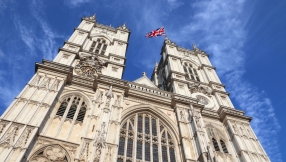
Archaeologists may have discovered identity of mystery skeleton in Westminster Abbey
Archaeologists believe they may have finally discovered the identity of a skeleton buried in a Roman sarcophagus in Westminster Abbey.

Many churches lack AI policies despite widespread support among pastors, study finds
New research reveals a significant divide between church leaders’ recognition of the need for responsible AI practices and the measures currently in place within their congregations.

New index examines how faith-based businesses put beliefs into practice
A pilot study of 100 organisations explores how religious beliefs shape investment, governance and social responsibility.





