
With the South African World Cup less than two weeks away, there is continued concern that the event will be used for human trafficking.
It has been estimated that between 40,000 to 100,000 people may be trafficked for the World Cup. In January, Time magazine reported on a three week investigation into human trafficking. Finding a lucrative trade in child sex near two stadiums, one trafficker said, "I’m really looking forward to doing more business during the World Cup." Children can earn $45 to $600 a night for their captors.
Although the numbers of people trafficked are hard to verify, the issue is of enough concern for South Africa’s President Zuma to warn parents to be vigilant during the World Cup to guard against a possible jump in child trafficking.
On Friday 21 May, at the launch of Child Protection Week and the Children's Act, Zuma said, "While we are excited that we'll be receiving visitors for the FIFA World Cup we must be mindful that an event of this magnitude opens opportunity for criminals with ill intentions of trafficking in women and children.”
With South African schools closed for the month-long Cup, which starts on June 11, Zuma noted, "Not all parents and care-givers will be able to align their vacation with that of the extended school vacation. We urge parents to take extra care and ensure that their children are supervised and provided with guidance at all times.
"Children wandering alone in shopping malls and football stadiums will be vulnerable to people with evil intentions."
South Africa has fast-tracked a new law against human trafficking to bring it into effect before the World Cup, which will make it easier to prosecute suspects and will give South African courts jurisdiction over acts outside the country's borders.
"We will play our part as government but parents and care-givers also have to be vigilant," he said.
A few days earlier, Bishops of Southern Africa from Lesotho, Namibia, South Africa and Zimbabwe, had gathered to discuss the problem of human trafficking in their region. The Interregional Meeting of Bishops of Southern Africa (IMBISA) met in Johannesburg from 18 to 19 May.
The Director of IMBISA, Fr Richard Menatsi noted in his opening remarks that women and children are trafficked into South Africa from Mozambique at the rate of 300 persons per week.
In a statement sent to Agenzia Fides, the bishops noted, “Religious groups can play a significant role in raising awareness and acting on this issue with the support of their governments to curb this problem.”
While recognising that human trafficking is complex and fuelled by a wide range of factors, “With the coming of the FIFA World Cup to South Africa, it has been noted that this occasion has become a way of sending people to traffickers,” the statement says.
“All those people who would like to make some money during the World Cup have become vulnerable to trafficking, especially girls who are told that they will be waitresses or tour guides for the visitors.”
A New York-based socially investment firm, Christian Brothers Investment Services (CBIS), that manages $3.8 billion for Catholic institutions worldwide has also sought to combat human trafficking and child sex tourism associated with the World Cup.
CBIS sent two letters on April 12 and April 20, detailing its initiative to CEOs and owners of eight hotel chains in South Africa, including InterContinental, Hyatt, Starwood, Accor, Carlson and Best Western. The CBIS initiative asks hotel operators to take action to prevent sexual exploitation of children and other human trafficking crimes.
“CBIS doesn't have any direct South African investments, but does own shares” of Accor and Starwood, spokeswoman Carol Graumann said. The second letter noted, “While not responsible for this tragic crime, the travel and lodging industry is well-positioned to help prevent human trafficking by collaborating and taking steps to stop the use of your hotels for these purposes.”
At the local level, South Africa’s largest church Christian Revival Church, based in Bloemfontein, is working to help drug addicts and victims of prostitution. Street Ministry, founded in 2006 by Pastor Andre Lombard, a former special forces soldier, was the case study for Time magazine’s research.
Lombard told Time, "If you drive by and just talk about it and don’t do anything, you’re actually justifying it."
The day before President Zuma launched Child Protection Week, he attended a mass prayer meeting for women to pray for a successful World Cup. To the thousands who had gathered at Zamdela Stadium in Sasolburg, in the Free State, President Zuma said, "In this time, we need good South Africans. Let them, just for four weeks, be good. Just for four weeks.
“When you are faced with a challenge, you must rise up to the occasion. This tournament calls for us to rise to the occasion as South Africans.”
24% OFF
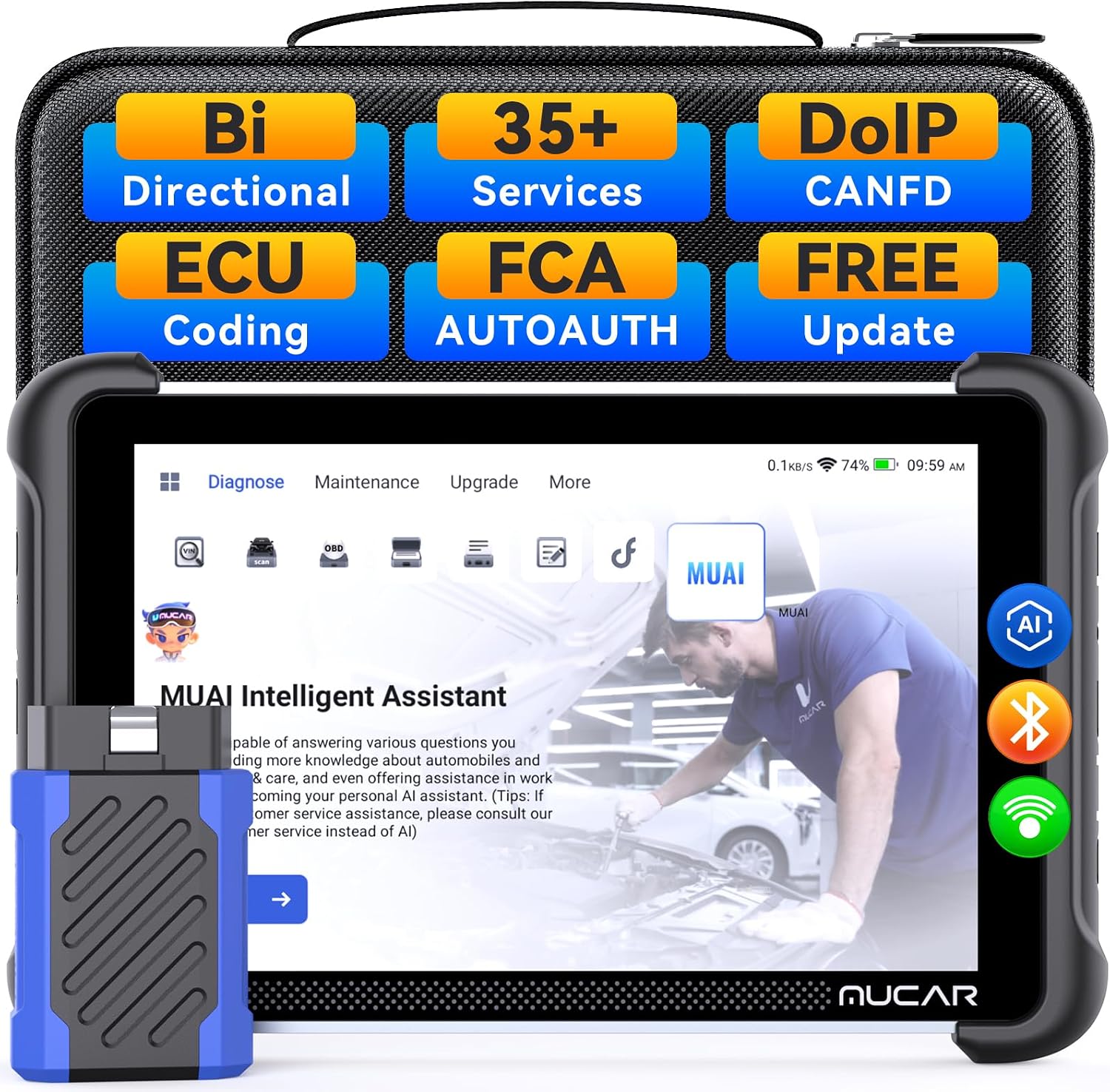
MUCAR 892BT AI-Assisted Bidirectional OBD2 Scan Tool with ECU Coding (8" Touchscreen)
$478.79 $629.99
77% OFF
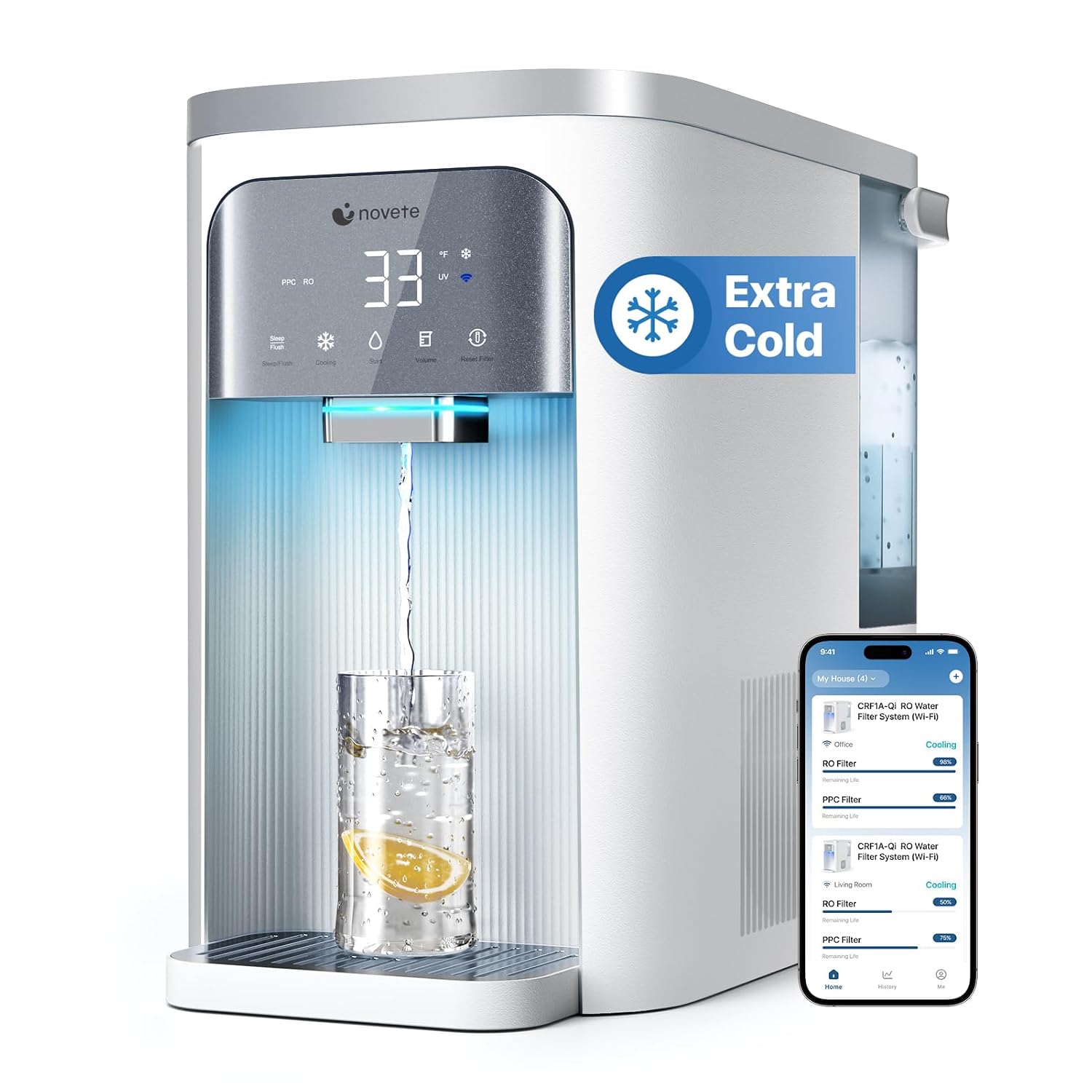
NOVETE Smart Countertop Reverse Osmosis Water Filter System with UV & Cooling (CRF0A-Qi)
$99.99 $429.99
36% OFF
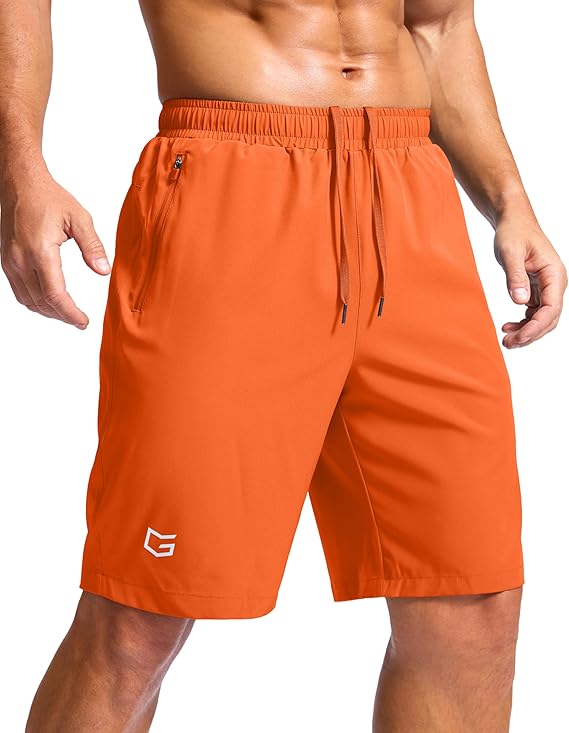
G Gradual Men's Quick Dry Athletic Running Shorts with Zipper Pockets
$12.74 $19.99
17% OFF
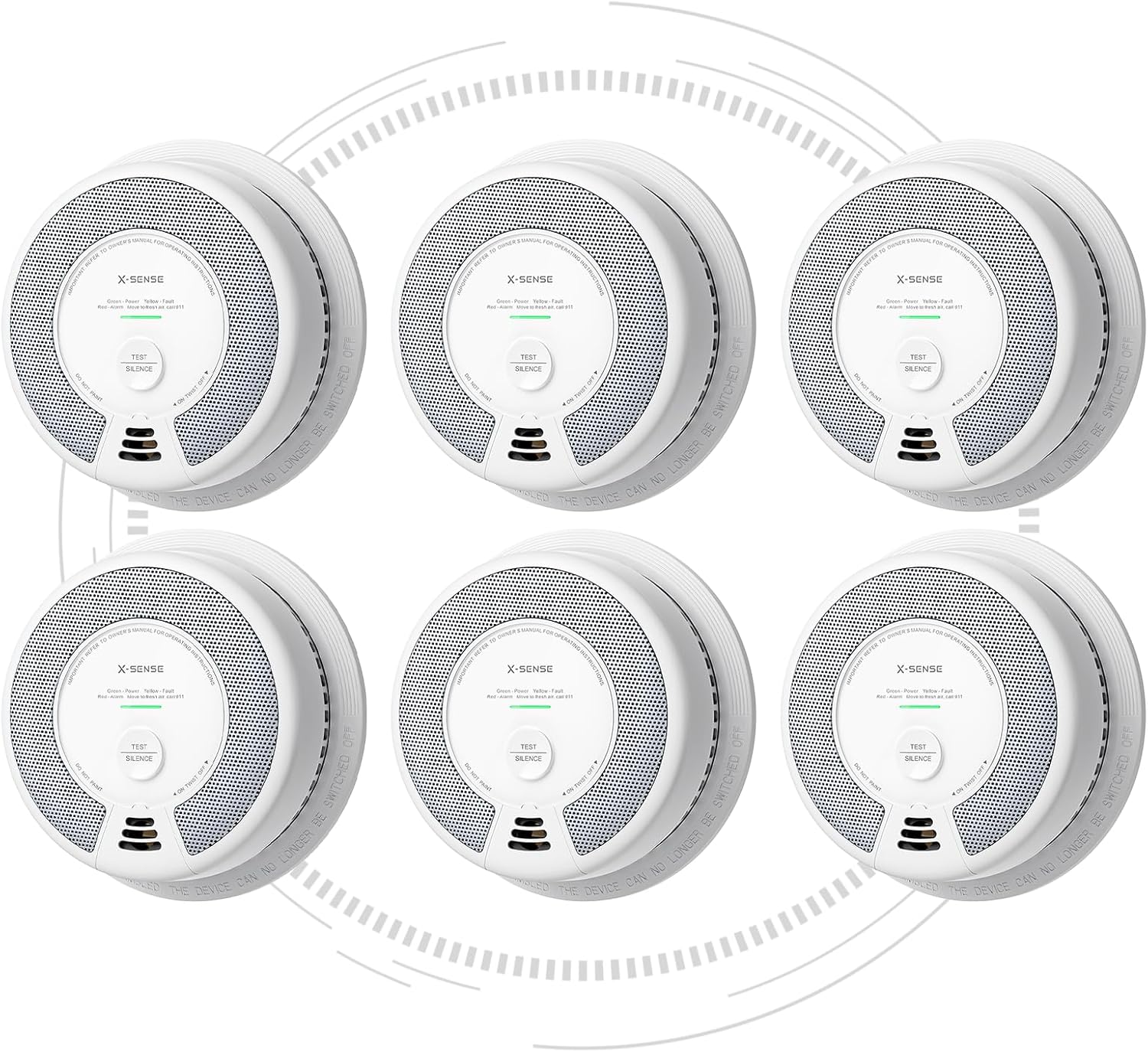
X-Sense 10-Year Sealed Battery Combination Smoke and CO Detector (6-Pack, SC06-W)
$225.21 $269.99
50% OFF
18K Gold Plated Initial Pendant Necklace with Reinforced Box Chain
$6.49 $12.99
50% OFF
6-Inch Desktop Pottery Wheel Kit for Beginners with 2.2lb Air Dry Clay
$44.99 $89.98
50% OFF
Portable Folding LED Book Light Night Lamp with Floral Print Cover
$11.99 $23.99
26% OFF

Magnelex American Flag Windshield Sun Shade - High-Resolution UV Reflective Heat Shield (X-Large)
$19.9 $26.9
50% OFF

TailSphere 12-in-1 Turkey Tail Mushroom Immune Support Chews for Dogs (90 Count)
$13.49 $26.99
50% OFF
Aegend Kids Swim Goggles for Toddlers 3-8 with Anti-Fog and No-Hair-Pull Strap
$4.49 $8.99
73% OFF
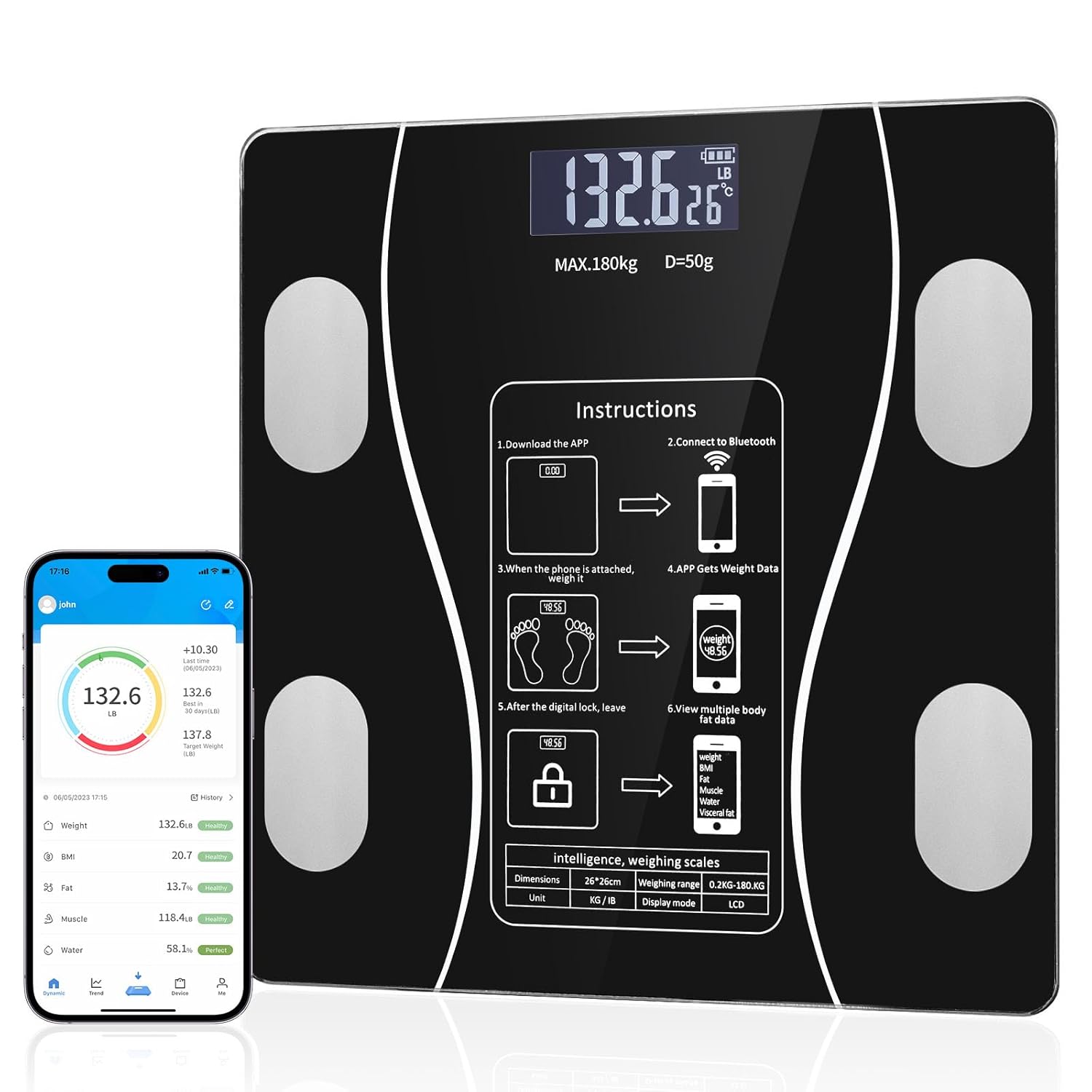
Smart Bluetooth Body Fat Scale with LED Display and Body Composition Analyzer
$21.58 $79.96
73% OFF
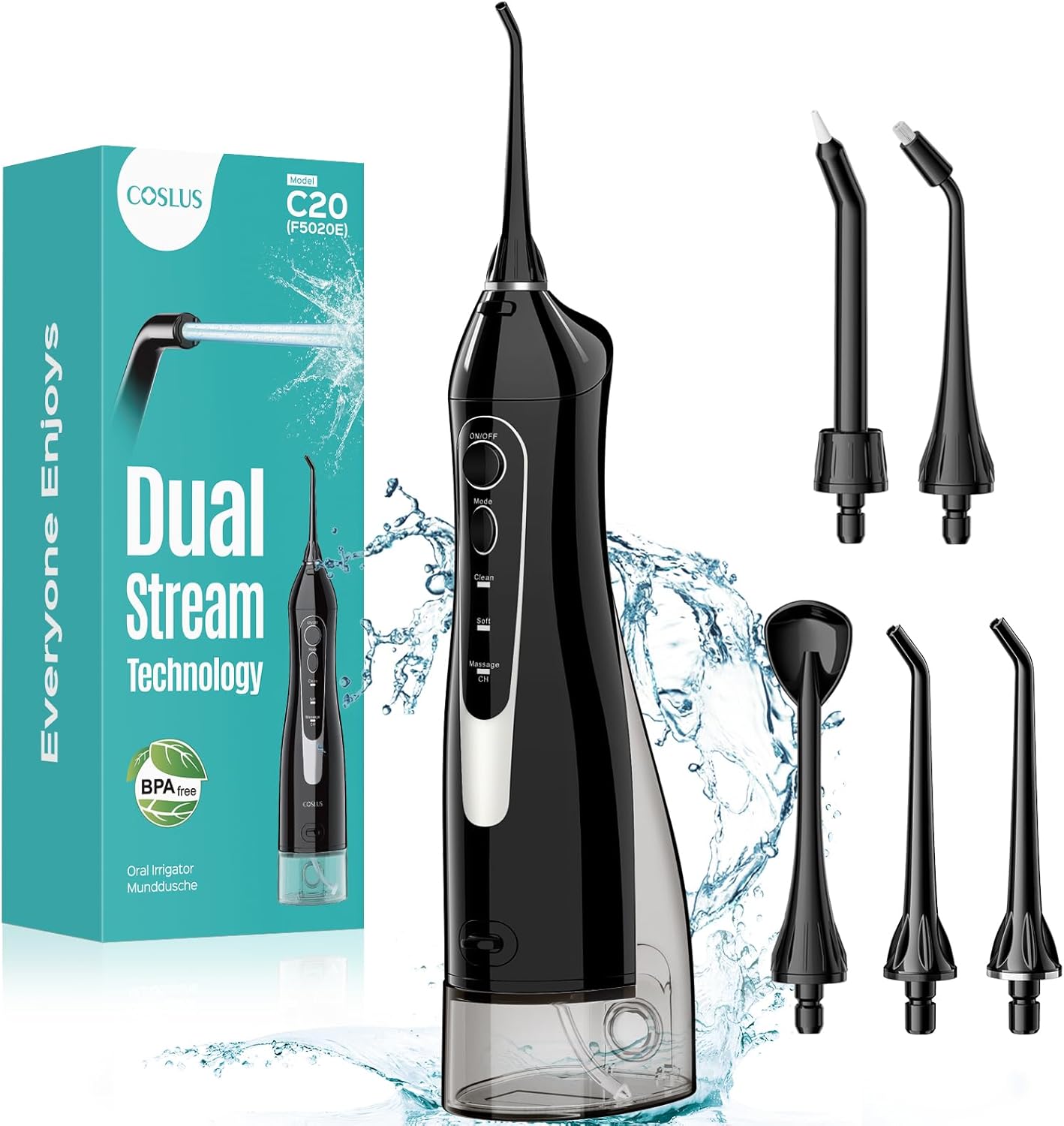
COSLUS C20 Portable Cordless Water Dental Flosser and Oral Irrigator
$7.99 $29.99
29% OFF
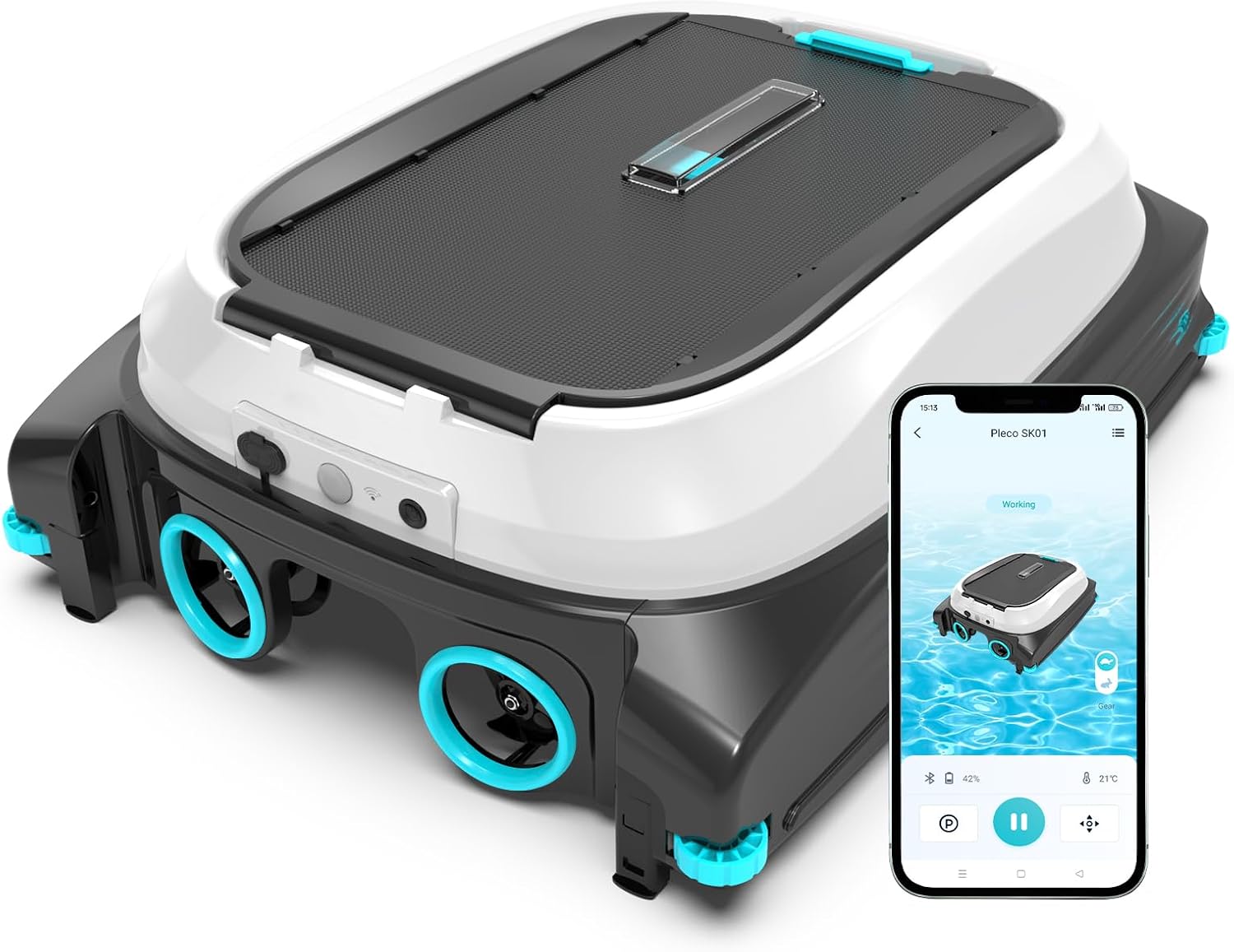
Pleco SK01 Solar Powered Robotic Pool Skimmer with App Control (Obsidian & Ivory)
$284.99 $399.99
52% OFF
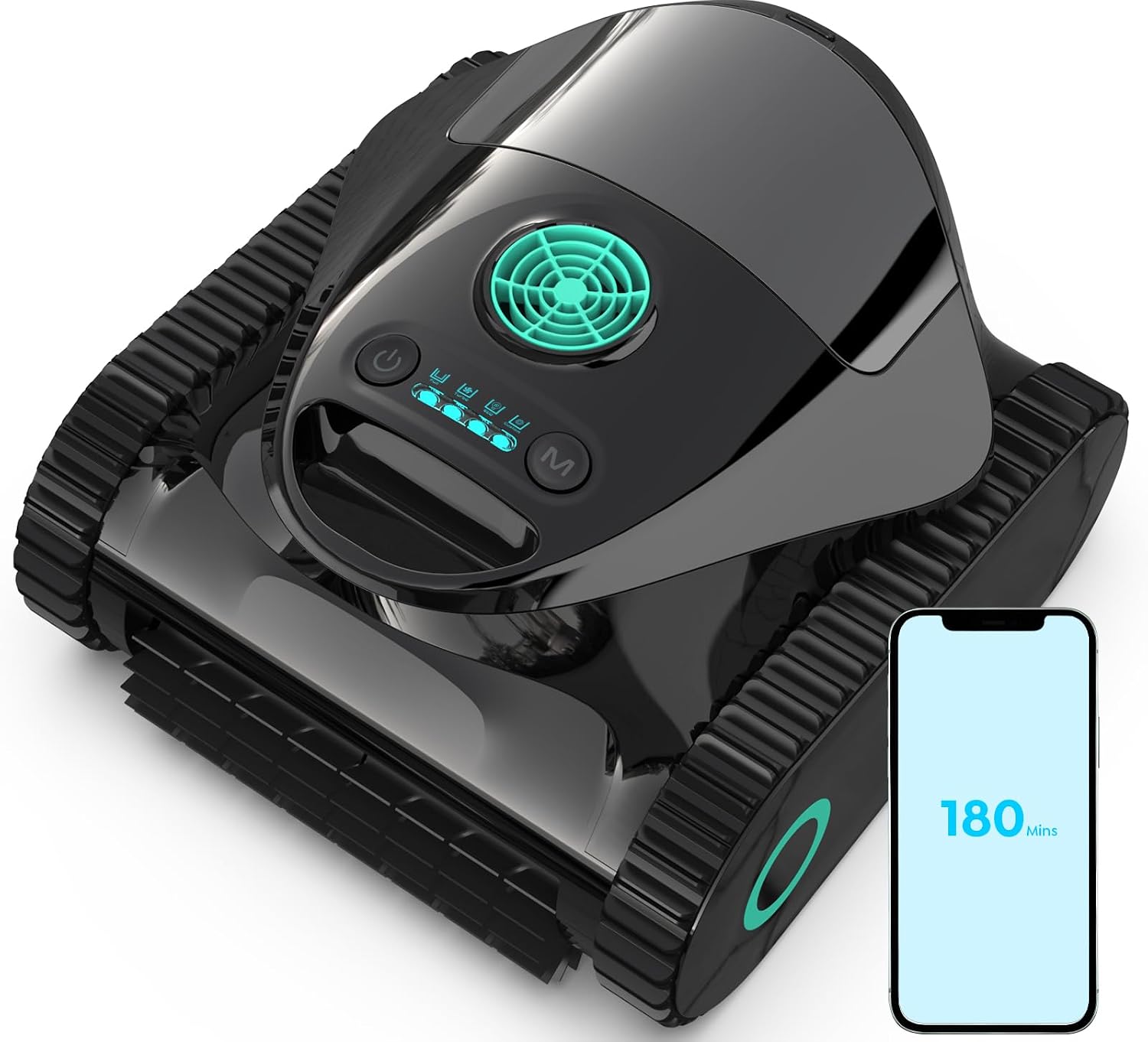
Cordless Robotic Pool Cleaner C1 with Wall Climbing and App Control (Glossy Black)
$290.69 $599.99
52% OFF
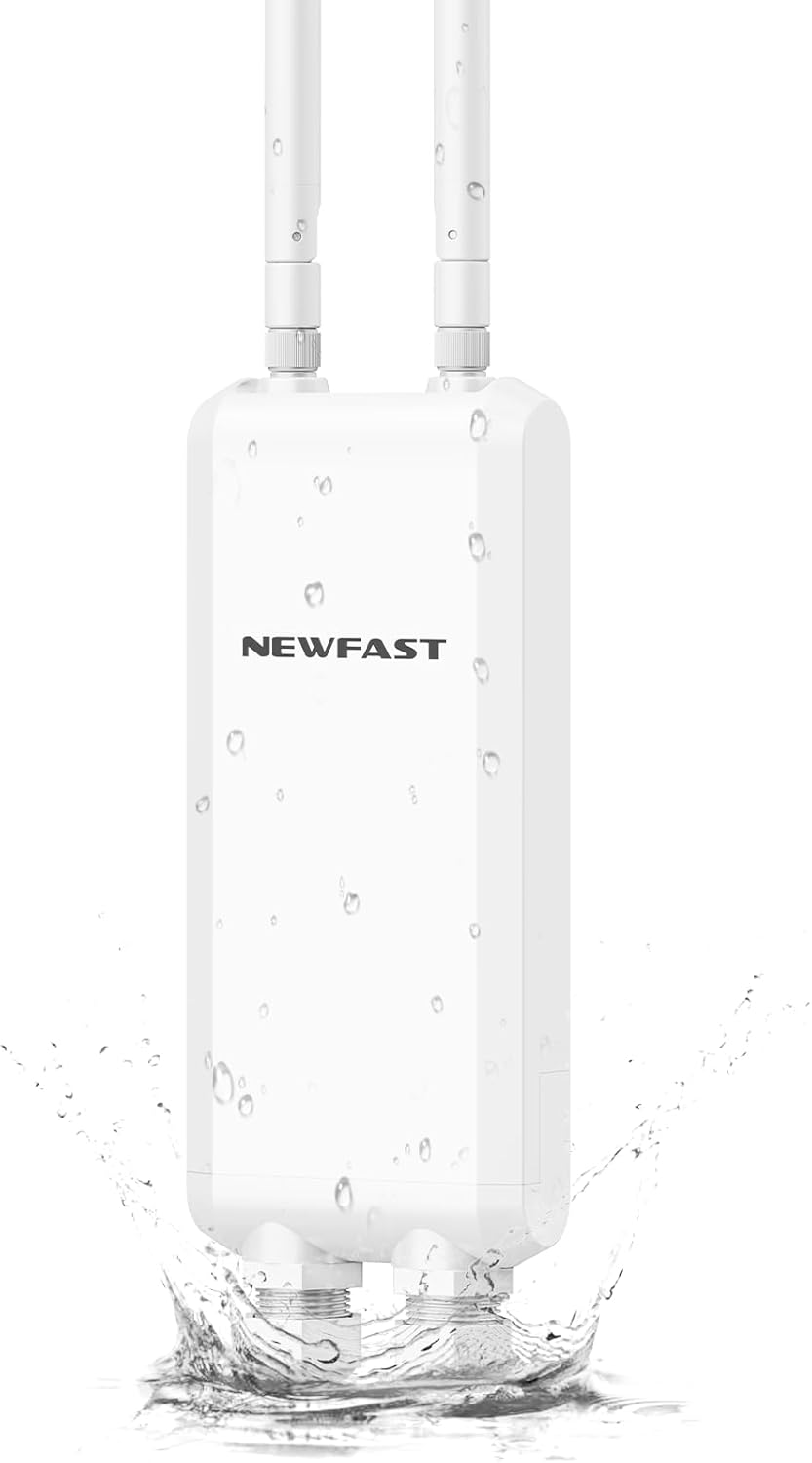
NEWFAST Outdoor WiFi Extender with MU-MIMO and 3 Gigabit Ports (IP66)
$47.99 $99.99
51% OFF
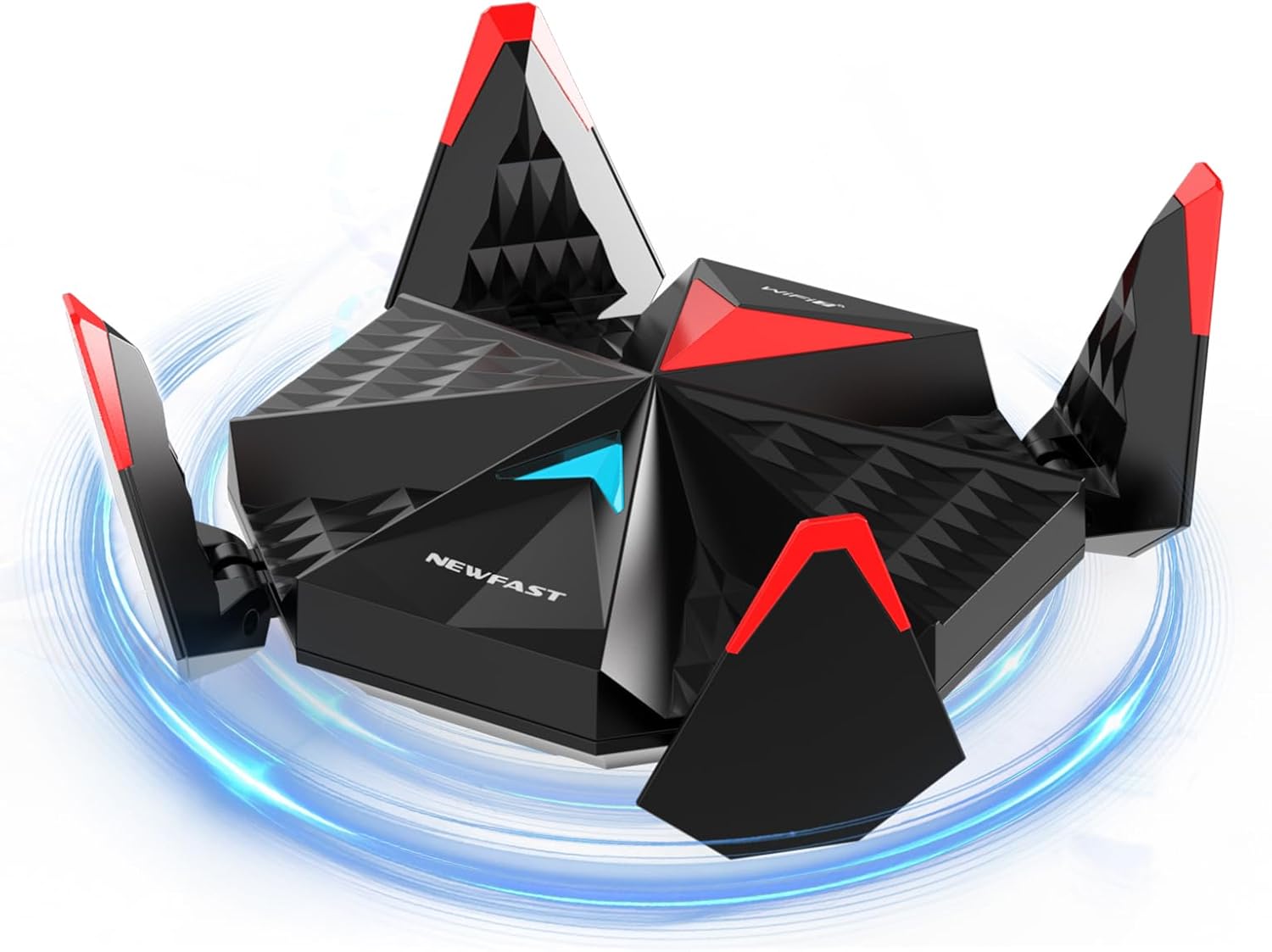
NEWFAST AXE5400 Tri-Band USB WiFi 6E Adapter with 4 Antennas (NF-U357)
$44.45 $89.99
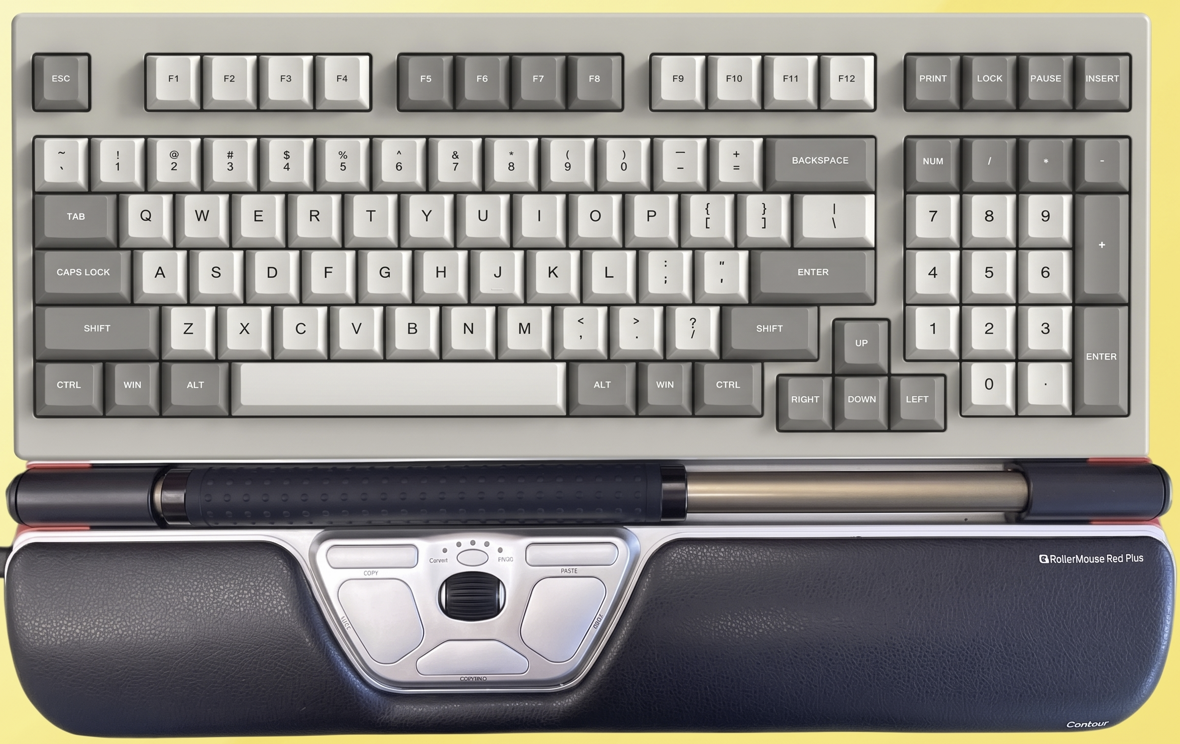
The $400 Mouse I Thought Was Ridiculously Expensive—Until It Changed How I Work
$0 $0
50% OFF
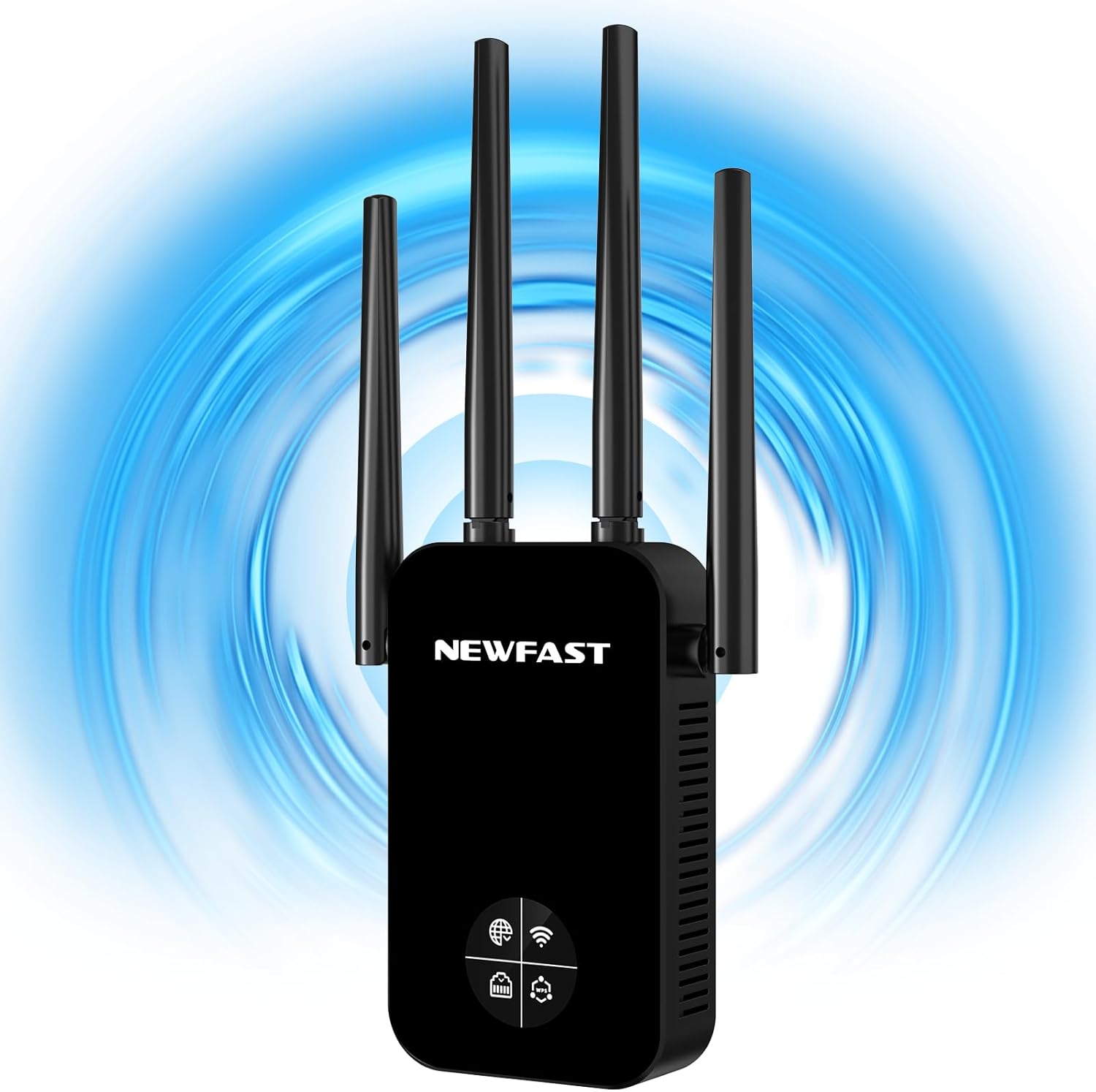
NEWFAST NF-RE523 AC1200 WiFi Extender - 1200Mbps Dual Band Signal Booster & Internet Repeater
$18.5 $36.99
36% OFF

Men's Athletic Running Shorts with Zipper Pockets - Lightweight & Quick Dry
$12.74 $19.99

Sealy 2-Pack Tritech 16" Twin Inflatable Air Mattress with Built-in AC Pump
$0 $113.99
-

Church of England moving forward with slavery reparations fund despite legal challenge
-

Church of England engagement with pro-Palestine document will add to rising antisemitism, says Bishop of Blackburn
-
How a partnership between African churches is helping communities see again
-

17,000 sign petition in support of sacked pro-life teacher Sarah Morse
News
-

Amnesty International UK expresses 'regret' over report that branded Christian groups 'anti-rights'
-
The bishops held the line at Synod - but for how much longer?
-
Christians launch declaration challenging pro-Palestinian document after Church of England vote
-
Calls for diversity of opinion to be respected after Ann Widdecombe's death
-

17,000 sign petition in support of sacked pro-life teacher Sarah Morse
-
Churches and clergy among targets in anti-Christian incidents across Europe
Most Popular
News
US passes bill to halt Nigeria aid over violence against Christians
An effort to withhold 100 per cent of United States aid to Nigeria until the Nigerian government takes effective steps "to prevent and respond to violence in the country" has passed the US House of Representatives.
Church of England engagement with pro-Palestine document will add to rising antisemitism, says Bishop of Blackburn
Bishop Philip North said that the vote in General Synod to "hear" the Kairos II document was "deeply unwise" and would only make it harder for the Church of England to have good interfaith relations.

Could smartphones be behind falling birth rates? Study suggests iPhone plays major role
The introduction of the iPhone may have contributed substantially to America's falling birth rate, suggesting smartphones changed social behaviour in ways that led to fewer pregnancies, researchers have argued.

'On the brink of death': Minister turns near-fatal illness into book of hope
"It is in pain that you really discover what you believe" - that's the hard-won lesson at the heart of a new book by Christian minister Cornel Romans following his own brush with death from serious illness.
MUCAR 892BT AI-Assisted Bidirectional OBD2 Scan Tool with ECU Coding (8" Touchscreen)
$478.79
NOVETE Smart Countertop Reverse Osmosis Water Filter System with UV & Cooling (CRF0A-Qi)
$99.99
G Gradual Men's Quick Dry Athletic Running Shorts with Zipper Pockets
$12.74
X-Sense 10-Year Sealed Battery Combination Smoke and CO Detector (6-Pack, SC06-W)
$225.21
18K Gold Plated Initial Pendant Necklace with Reinforced Box Chain
$6.49
6-Inch Desktop Pottery Wheel Kit for Beginners with 2.2lb Air Dry Clay
$44.99
Portable Folding LED Book Light Night Lamp with Floral Print Cover
$11.99
Magnelex American Flag Windshield Sun Shade - High-Resolution UV Reflective Heat Shield (X-Large)
$19.9
TailSphere 12-in-1 Turkey Tail Mushroom Immune Support Chews for Dogs (90 Count)
$13.49
Aegend Kids Swim Goggles for Toddlers 3-8 with Anti-Fog and No-Hair-Pull Strap
$4.49
Smart Bluetooth Body Fat Scale with LED Display and Body Composition Analyzer
$21.58
COSLUS C20 Portable Cordless Water Dental Flosser and Oral Irrigator
$7.99
Pleco SK01 Solar Powered Robotic Pool Skimmer with App Control (Obsidian & Ivory)
$284.99
Cordless Robotic Pool Cleaner C1 with Wall Climbing and App Control (Glossy Black)
$290.69
NEWFAST Outdoor WiFi Extender with MU-MIMO and 3 Gigabit Ports (IP66)
$47.99
NEWFAST AXE5400 Tri-Band USB WiFi 6E Adapter with 4 Antennas (NF-U357)
$44.45
The $400 Mouse I Thought Was Ridiculously Expensive—Until It Changed How I Work
$0
NEWFAST NF-RE523 AC1200 WiFi Extender - 1200Mbps Dual Band Signal Booster & Internet Repeater
$18.5
Men's Athletic Running Shorts with Zipper Pockets - Lightweight & Quick Dry
$12.74
Sealy 2-Pack Tritech 16" Twin Inflatable Air Mattress with Built-in AC Pump
$0