
Dissatisfaction with the EU's attitude towards Christianity may be behind waning support for the European project among Christians, the Primate of the Roman Catholic Church in Ireland has warned.
Speaking at the Humbert Summer School in Co Mayo on Sunday, Cardinal Sean Brady was quoted by the Irish Times as saying that Ireland's rejection of the EU reform treaty in June suggested that "at least some of those who were previously enthusiastic about the founding aims of the EU, both social and economic, are now expressing unease".
There was, he continued, "a fairly widespread culture in European affairs which relegates manifestations of one's own religious convictions to the private and subjective sphere".
He pointed to what the late Pope John Paul II termed a "loss of Christian memory" within European institutions and policy-making bodies.
The "prevailing culture and social agenda" within the EU appeared to be dominated by secularism "rather than by the Christian memory and heritage of the vast majority of member states", said Cardinal Brady.
The Cardinal was invited to deliver the Bishop Stock address at St Patrick's Church of Ireland Cathedral in Killala as part of the Humbert school, which drew to a close on Sunday.
He told the audience: "Successive decisions... have undermined the family based on marriage, the right to life from the moment of conception to natural death, the sacredness of the Sabbath, the right of Christian institutions to maintain and promote their ethos, including schools.
"These and other decisions have made it more difficult for committed Christians to maintain their instinctive commitment to the European project.
"Ignoring this trend within the EU and its impact on people of faith has inevitable political and social consequences, not least on levels of support for the project itself."
-

Enoch Burke accuses Archbishop of remaining 'silent' in school trans dispute
-

Churches challenged to make single Christians feel fully part of church life
-

Many churches lack AI policies despite widespread support among pastors, study finds
-

Half of Christian questions on ChatGPT are attempts to understand the Bible
News
-

Former Crowded House pastor and wife charged with rape
-

Enoch Burke accuses Archbishop of remaining 'silent' in school trans dispute
-

'Such a blessing' - church that closed down 15 years ago opens its doors again
-

Violence and persecution driving global Christian exodus, report warns
-

Christians urged to speak out against 'conversion practices' bill
-

Halloween: behind the masks
Most Popular
News

Belief in ghosts and magic linked to faith and trust in science, study finds
A new study suggests that Americans who believe in God while placing strong trust in science and reason may be more likely to believe in ghosts, curses and other supernatural phenomena.
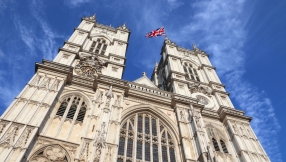
Archaeologists may have discovered identity of mystery skeleton in Westminster Abbey
Archaeologists believe they may have finally discovered the identity of a skeleton buried in a Roman sarcophagus in Westminster Abbey.

Many churches lack AI policies despite widespread support among pastors, study finds
New research reveals a significant divide between church leaders’ recognition of the need for responsible AI practices and the measures currently in place within their congregations.

New index examines how faith-based businesses put beliefs into practice
A pilot study of 100 organisations explores how religious beliefs shape investment, governance and social responsibility.





