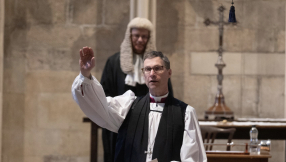
Päivi Räsänen, the Finnish politician at the centre of a years-long free speech battle, has submitted her testimony to the Canadian Senate Human Rights Committee as the country considers the controversial C-9 bill on “hate speech”.
C-9 has been criticised for weakening protections for free speech on religious questions. Those who make religious statements that might prove controversial will no longer be able to use the legal defence that they spoke in “good faith”.
Räsänen was subject to a seven-year legal process in her native Finland due to a tweet that quoted the Book of Romans on homosexuality, and a decades old pamphlet on sexual ethics. After three criminal trials and a number of acquittals, she was narrowly convicted under hate speech laws for her role in authoring and promoting the pamphlet.
She warned Canada that it should not follow Finland’s example.
“Censorship is one of the greatest existential threats to today’s democracies in Europe," she said.
"You do not need to agree with my beliefs to see the danger of criminalizing peaceful speech. When the state controls which ideas and beliefs may be expressed, democracy becomes fragile. My case reveals where this path can lead.
“My experience in Finland has shown me that laws which criminalize speech have a very real cost not only to individuals, but also society at large. They encourage law-abiding citizens to censor their speech, and deprive wider society of conversations of critical importance."
She added that even if she had been acquitted of all charges, the fact that she was prosecuted at all had a stifling effect on free speech. The process becomes the punishment and is enough to deter many from speaking their mind freely, she warned.
For around a decade Canada has sometimes hit the spotlight for its “woke” attempts to suppress freedom of speech.
In 2017 Canada passed bill C-16. The bill added "gender identity or expression" as prohibited grounds of discrimination to the Canadian Human Rights Act and amended the Criminal Code to include these in relevant hate speech and hate crime provisions.
It was opposition to this bill that made Jordan Peterson famous. Peterson argued that bill C-16 violated free speech not by prohibiting what a person could say, but by forcing them to say things they did not believe in, namely the preferred pronouns of transgender and “non-binary” people.