Former Archbishop of Canterbury, Baron Williams of Oystermouth, says that the King's coronation service reflects how much society has changed since Queen Elizabeth II was crowned 70 years ago.
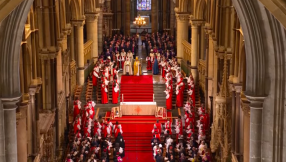
The coronation on Saturday will be very different from that of Queen Elizabeth's in 1953, with multi-faith leaders and female clergy playing a role in the service.
Speaking to Sky News Australia, Baron Williams said the service was a "very defensible way of looking at how you balance tradition, continuity, and a recognition that society has moved on quite a bit since 1953".
He said added that "the blend is a successful one - we're recognising new facts about society, new facts about the Church itself".
Asked about King Charles' faith, Baron Williams said he knew him to be "deeply serious" about it.
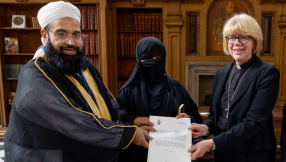
For the first time ever, leaders of other faiths will be playing an active part in the coronation service.
Faith leaders representing Judaism, Buddhism, Sikhism and Hinduism will deliver a greeting in unison to the King at the end of the coronation service before he proceeds to the state coach.
In another unprecedented move, the Archbishop of Canterbury, Justin Welby, will preface the coronation oath with newly-written wording explaining that the Church of England will seek to foster an environment where "people of all faiths and beliefs may live freely".
Baron Williams was Archbishop of Canterbury from 2002 to 2012, and presided over a service of prayer and dedication for King Charles and Queen Consort Camilla following their civil wedding in 2005.