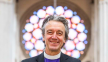
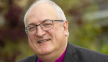
The Church has an important role to play in helping society move away from injustice towards communities built on mercy and understanding, says Anglican writer and broadcaster Dr Lucy Winkett.
Dr Winkett, who was delivering the William J Seymour lecture for Whitelands College at the University of Roehampton, suggested the Church rediscover the concept of mercy as it considers the role it can play in healing today's "siloed and divided society".
She spoke of her regret over some aspects of modern culture, like greed, an "addiction to distraction", "fear of the other", and the desire for an "unfettered freedom to use language online that is unanchored in the real-world constraints of decency".
As an alternative, she suggested the Church build communities of "creative resistance" characterised by a "merciful culture" that allows people to "feel we can try things" and " not get everything right all the time".
Although for some, mercy may be regarded as "an old-fashioned concept", Dr Winkett suggested it could help to positively inform the Church's role in society and how it addresses injustice.
"A merciful culture makes it easier to say sorry and much easier to admit that I want to be better," she said.
But Dr Winkett, who is rector of St James's, Piccadilly, in London, said the Church had not always embodied mercy.
"There are hinterlands of human experience and existence that the Church institution - which feels that it needs the blunt instruments of policy, doctrine and organisational infrastructure - finds hard to address with compassion, creativity and, yes, mercy," she said.
Addressing the Church of England's ongoing self-reflection over its role in racism and slavery, Dr Winkett said the Church must interrogate its temptation to "colonise and coerce" as part of a "culture of whiteness".
"It is one of the greatest challenges of our time to let the other remain different from us but find a way to be at peace - tolerance is not enough," she said.
"Christianity certainly cannot claim to have all the answers and, frankly, has often been part of the problem. But in common with other world religions, its focus on creativity, resistance and mercy can mean that the Church could have something distinctive to contribute about the quality of reconciliation necessary to build not just a tolerant society but a just and a peaceful one."
The Archdeacon of Croydon, Dr Rosemarie Mallett, said that "creative resistance" was "very far" from the image of world leaders making "formulaic speeches" at the COP26 climate talks in Glasgow while ignoring "racialised injustice" in the climate emergency.
"They make their speeches to defend the status quo without looking to the future or the present needs of the Global South [that is] hurting from the lack of action taken so forth, and we can certainly recognise the creative resistance of the protesters who have tried in so many ways to wake us all up and warn us of the dangers of the situation in the now and in the time to come," she said.