1. Muslims observe Ramadan to mark the first revelation of the Qu'ran to the prophet Mohammed. It's the ninth month in the Islamic calendar.
2. It's a moveable feast. The calendar is based on the lunar cycle and the month begins with the sighting of the crescent moon this evening (so the first day of fasting begins tomorrow at sunrise). It's about 11 days earlier each year.
3. Observant Muslims don't eat or drink in daylight hours during Ramadan. Fasting is one of the 'Five Pillars' of Islam, the others being the shahadah, the declaration of faith; salat, the five daily prayers; zakat, or almsgiving; and the hajj, the pilgrimage to Mecca.
4. It's not just food: during the day, coffee, tea, or anything else containing caffeine is out, as are tobacco and sexual intercourse.
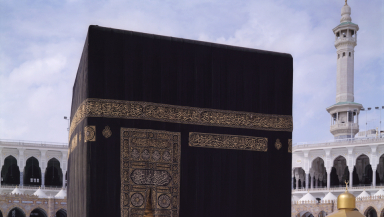
5. There is a debate about whether Muslims living in inconvenient latitudes with very long daylight hours during Ramadan should observe it according to a more reasonable time-zone. A British cleric, Sheikh Dr Usama Hasan, issued a fatwah (ruling) saying that UK Muslims should use Mecca's timings, where fasting hours are between 12 and 13 a day, rather than the 16 hours of daylight in London. In northern Sweden it is possible that the sun might only set for one or two hours, if at all.
6. Some people are exempt from fasting, including children, the sick and old, travellers and women who are pregnant, breastfeeding or menstruating.
7. It's not just about going without: Muslims see it as a time to recharge their spiritual batteries and draw closer to God. They might invite friends and neighbours to share an evening meal, read the Qu'ran more and generally refocus on their faith.
8. The fast ends with the festival of Eid al-Fitr, which is celebrated with gifts to charity and to one another, visits and parties. 'Eid Mubarak' – 'Happy Eid' is a common greeting.
9. It's not all good. A phenomenon known as 'Ramadan rage' has been observed, in which crime rates spike. An Algerian study found that petty crime went up by 220 per cent, fights, disputes and assaults rose by 320 per cent and domestic violence incidents by 120 per cent. People get more irritable and short-tempered as the month goes on, accident rates increase and death rates rise.
10. In some Muslim countries, pressure on non-Muslim minorities to conform to Ramadan can be intense, enforced through the law or through social convention.